
Getting kicked off a plane is not limited to passengers who get into physical fights or cause serious disturbances. A traveller can lose their seat for refusing to follow cabin crew instructions, boarding while visibly intoxicated, smoking or vaping on board, interfering with safety equipment or making threats that raise security concerns. In some cases, passengers can be removed before the aircraft even leaves the airport gate.
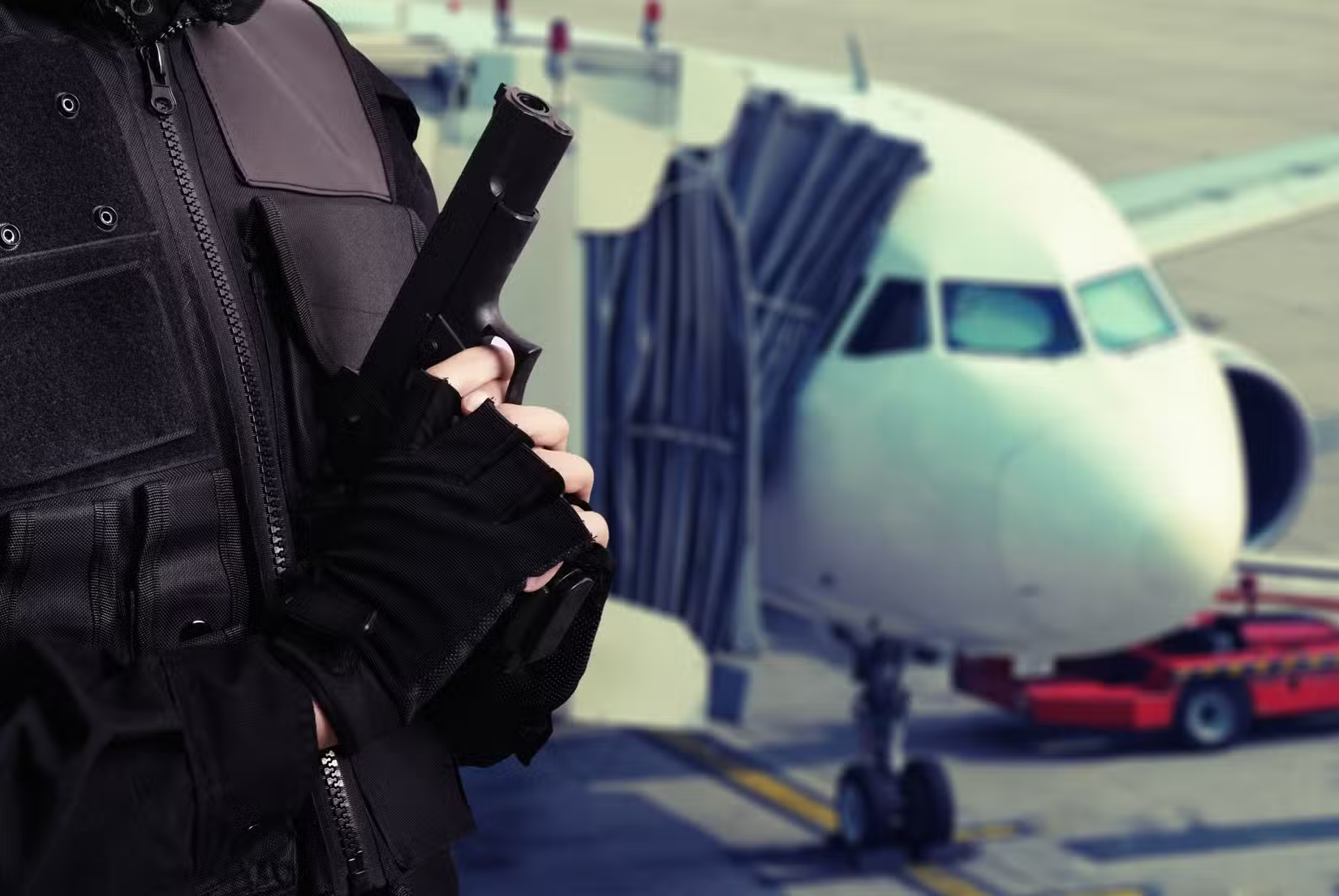
Buying an airline ticket and successfully boarding a flight does not give anyone an unconditional right to remain on the aircraft. Airlines have safety responsibilities and can refuse to carry passengers whose conduct presents a risk to other travellers, crew members or the operation of the flight. Depending on the incident, being kicked off a plane can also lead to police involvement, financial penalties or criminal charges.
The rules vary between airlines and countries, but aviation authorities take disruptive passenger behaviour seriously. The US Federal Aviation Administration (FAA), for example, identifies interference with flight crew duties, physical assault, intimidation and other disruptive conduct as matters that can attract enforcement action. European aviation authorities also recognise unruly passenger behaviour as a significant safety concern.
While some passengers may associate being kicked off a plane with extreme incidents, several seemingly ordinary actions can also put a journey at risk. Here are 13 behaviours that could result in removal from an aircraft.
1. Boarding a plane while visibly intoxicated
Arriving at the airport after drinking is one thing. Attempting to board a flight while visibly drunk is another. Passengers who struggle to walk, behave aggressively, cannot communicate properly or appear unable to follow basic instructions may be refused boarding.
Airlines have a responsibility to assess whether someone can travel safely. An intoxicated passenger may become unpredictable during a flight, particularly in an enclosed cabin where crew members have limited options for managing disruptive behaviour. In the United States, FAA regulations prohibit airlines from allowing intoxicated passengers to board.
A passenger does not have to become violent before being kicked off a plane. If airline staff believe someone is too intoxicated to travel safely, they can intervene before departure.
2. Physically assaulting another passenger or flight attendant
Physical violence is among the most serious reasons a passenger can be removed from an aircraft. Hitting, pushing, grabbing or attacking another traveller or crew member can quickly turn a disagreement into an aviation security incident.
Arguments over seating arrangements, overhead luggage space, personal disputes or other frustrations do not justify physical aggression. Assaulting a flight attendant is particularly serious because it can interfere with the crew’s ability to perform essential safety duties.
In the United States, federal law makes assaulting or intimidating flight crew members in a way that interferes with their duties a criminal offence. Under 49 U.S.C. Section 46504, the offence can carry a prison sentence of up to 20 years.
3. Threatening or verbally abusing flight attendants
A passenger does not need to physically attack a member of the cabin crew to face removal. Threatening, intimidating or repeatedly abusing flight attendants can also lead to serious consequences.
Cabin crew members are responsible for maintaining order, communicating safety instructions and responding to emergencies. They are not simply there to serve meals or accommodate every passenger request. When someone threatens or intimidates them, it can make it difficult for them to perform their responsibilities.
The FAA prohibits assault, threats, intimidation and interference with crew members carrying out their duties. Depending on the severity of the incident, a passenger may be removed before take-off or face further legal action.
4. Refusing to follow flight attendants’ safety instructions
Ignoring a flight attendant’s instructions is another way passengers can get kicked off a plane. Whether the instruction concerns fastening a seatbelt, storing hand luggage, switching off an electronic device when required or preparing the cabin for departure, passengers are expected to comply with applicable safety procedures.
Some travellers become argumentative when they believe an instruction is unnecessary or inconvenient. However, cabin crew members are trained to prepare the aircraft and passengers for different stages of a flight.
Repeatedly refusing to cooperate can create unnecessary delays and raise concerns about whether the passenger will follow instructions in an emergency. An airline may decide that the individual should not remain on board.
5. Refusing to fasten a seatbelt or remain seated
The instruction to fasten your seatbelt is not optional when the crew requires passengers to comply. The same applies when the seatbelt sign is illuminated and passengers are instructed to remain seated.
Walking around the cabin during take-off, landing or turbulence can expose passengers to injury and create additional risks for the crew. Someone who repeatedly refuses to return to their seat or fasten their seatbelt after being instructed to do so may face intervention.
A disagreement over a seatbelt may seem minor, but refusing to follow a straightforward safety instruction can become a reason for removal before the aircraft departs.
6. Smoking cigarettes or vaping inside the aircraft
Smoking on an aircraft is prohibited, and passengers who ignore the restriction can face serious consequences. This includes attempting to smoke in an aircraft toilet or using an electronic cigarette where the airline prohibits it.
Aircraft toilets are particularly sensitive because smoking can create a fire risk in an enclosed space. Smoke or an unusual smell may also trigger safety concerns and require the crew to investigate.
Passengers should not assume that vaping is permitted simply because it does not involve a traditional cigarette. Airlines have their own conditions concerning electronic smoking devices, and applicable aviation regulations must also be followed.
Someone caught smoking on board may be reported to the authorities and could face removal, fines or prosecution depending on the circumstances and the laws of the country involved.
7. Tampering with emergency equipment
Emergency exits, oxygen equipment, life jackets and other safety devices are installed for specific situations. They are not items for passengers to explore, handle unnecessarily or use as a joke.
Attempting to open an emergency exit, interfering with oxygen masks or tampering with other aircraft safety equipment can cause alarm and compromise the safety of the cabin.
Even when a passenger claims there was no intention to cause harm, airline staff may treat the incident as a serious security matter. Interfering with aircraft safety equipment can result in removal and potentially further investigation by airport security or law enforcement.
8. Drinking your own alcohol without permission
Carrying alcohol in your luggage does not automatically give you permission to consume it during a flight. Some passengers bring miniature bottles of spirits on board, assuming that the rules governing airport security also apply to drinking during the journey.
However, in the United States, FAA regulations prohibit passengers from consuming alcoholic beverages on board unless they have been served by the airline.
The restriction is intended to help airlines maintain control over alcohol consumption and reduce the risk of intoxication-related incidents. Passengers who ignore the rule may be confronted by cabin crew. If drinking leads to aggressive behaviour, refusal to follow instructions or other disturbances, the consequences can become more serious.
9. Harassing or sexually assaulting another passenger
Air travel does not give anyone permission to invade another person’s personal space or engage in unwanted sexual behaviour. Unwanted touching, sexual harassment, intimidation and assault can all become grounds for intervention by the cabin crew.
Airlines are expected to take passenger complaints seriously, particularly when someone feels threatened or unsafe. Crew members may separate the individuals involved, investigate the situation and determine whether the accused passenger can remain on the aircraft.
Depending on the nature of the incident, the airline may contact airport police or other law enforcement authorities. Serious allegations can also lead to criminal investigations after the flight.
10. Creating a disturbance through aggressive or abusive behaviour
Not every disagreement between passengers results in someone being kicked off a plane. However, shouting, threatening other travellers, repeatedly using abusive language or creating an ongoing disturbance can quickly become a problem.
A passenger who refuses to calm down when approached by crew members may be considered a risk to the cabin environment. The situation becomes particularly serious when the behaviour interrupts boarding, intimidates other passengers or prevents flight attendants from completing their duties.
Airlines have to consider the safety and comfort of everyone travelling. One passenger’s frustration over a delayed departure or seating problem should not be allowed to disrupt an entire flight.
11. Making bomb threats or other security-related threats
Making a joke about carrying a bomb or threatening to damage an aircraft is not a harmless way to get attention. Aviation authorities and airport security personnel are required to take potential threats seriously, even when the person responsible later claims to have been joking.
Such statements can trigger security procedures, investigations and delays. Depending on the circumstances, the passenger may be denied boarding, removed from the aircraft or taken into police custody.
In Finland, Traficom has addressed disruptive passenger conduct and the consequences of security-related incidents, including threats at airports. Travellers should understand that remarks about explosives, weapons or plans to harm people can have serious consequences.
12. Attempting to open aircraft doors or enter restricted areas
Aircraft doors and cockpit access points are protected by strict security procedures. Passengers are not permitted to interfere with these areas or attempt to enter restricted crew spaces without authorisation.
Trying to open an aircraft door, forcing access to the cockpit or ignoring restrictions around crew-only areas can trigger an immediate security response.
These actions are particularly concerning because they can interfere with aircraft operations and distract crew members from their safety responsibilities. Depending on the incident, the passenger may be removed before departure and reported to the relevant authorities.
13. Threatening to disrupt the flight or deliberately interfering with its operation
Frustration with an airline can take many forms. A passenger may be unhappy about a delayed flight, a cancelled connection, a seating arrangement, baggage restrictions or a disagreement with ground staff.
Passengers have every right to raise legitimate complaints and ask airlines to explain their decisions. However, threatening staff, obstructing boarding, refusing to leave the aircraft when lawfully instructed or deliberately interfering with flight operations can take a complaint beyond an ordinary customer service dispute.
Airlines can refuse to carry someone whose behaviour creates a legitimate safety or operational concern. Having paid for a ticket does not mean a passenger can ignore the airline’s conditions of carriage or disrupt the journey for everyone else.
Being kicked off a plane does not automatically mean someone has committed a criminal offence. Some incidents are handled by removing the passenger before departure, while more serious cases can involve airport security, police investigations, fines or prosecution. The consequences depend on the nature of the conduct, the airline’s policies and the laws that apply.
There is also a difference between being removed before take-off and being taken off an aircraft that is already airborne. Once a flight has departed, the crew cannot simply remove a disruptive passenger immediately. The captain must assess the situation and decide how best to protect everyone on board. In serious cases, this may mean diverting the aircraft to an airport where authorities can intervene.
For travellers, the lesson is not complicated. Follow safety instructions, respect flight attendants, avoid threatening or aggressive behaviour and understand that the rules do not stop applying once you have found your seat.
Getting kicked off a plane can mean losing valuable travel time, missing a connecting flight and dealing with additional expenses. In more serious circumstances, it can also result in legal consequences. A little patience and cooperation with airline staff can prevent a disagreement from becoming a much bigger problem.


