What to wear at -20C in Finland is less about buying the thickest winter coat available and more about choosing clothing that works together to retain body heat, manage moisture and protect exposed skin. For newcomers, the difference between a comfortable winter walk and an unpleasant struggle against the cold often comes down to how well their clothes are layered, whether their footwear is suitable and how effectively they cover their hands, head and face.

Finnish winters can be demanding, particularly for people arriving from countries where temperatures rarely fall far below freezing. At -20C, an ordinary coat, jeans and everyday trainers are unlikely to provide adequate protection for spending extended periods outdoors. Even someone who feels comfortable walking from a car to a building may discover that waiting for a bus, walking to work or spending an afternoon outside requires a different approach to dressing.
The first purchase should not necessarily be an expensive parka. A practical winter wardrobe begins with a system of layers, each serving a specific purpose. The layer closest to the skin helps manage perspiration, the middle layer provides insulation, and the outer layer shields the wearer from wind, snow and moisture. When these layers work together, they offer greater flexibility than a single heavy garment.

The base layer is particularly important because moisture can make a person feel cold even when wearing several thick items. Thermal tops and bottoms made from merino wool or synthetic moisture-wicking fabric are useful starting points. Merino wool can retain insulating properties while absorbing moisture, while synthetic fabrics are generally quick-drying and often less expensive. Both can work well, depending on activity level, fit and personal preference.
Cotton is a less reliable choice for the layer directly against the skin during prolonged outdoor activity. It absorbs perspiration and dries slowly, which can leave damp fabric against the body. That becomes uncomfortable when temperatures are low, especially if the wearer is moving between walking, standing and waiting outdoors. Cotton underwear or an ordinary T-shirt may still be comfortable for short trips, but a purpose-made thermal base layer is a more dependable option for longer periods in the cold.
The middle layer provides much of the warmth. Fleece, wool jumpers and insulated jackets are common choices, and the right combination depends on how cold it is, how much the person will move and whether they tend to feel cold easily. A medium-weight fleece may be sufficient beneath a good winter coat during an active walk, while someone standing at a bus stop may need a thicker wool jumper or an additional insulated layer.
Down jackets offer a strong warmth-to-weight ratio, while synthetic insulation can be useful in damp conditions and is often easier to manage when exposed to moisture. Neither is automatically the best choice for every person or situation. The key is to create enough insulation without making the clothing so tight that it restricts movement or compresses the insulating layers. Air trapped between layers helps retain warmth, so a close-fitting base layer should generally be paired with middle and outer layers that leave sufficient room.

The outer layer must deal with conditions beyond the temperature shown on a weather app. Wind can make exposed skin lose heat more quickly, while snow and wet conditions can gradually compromise comfort if clothing becomes damp. A winter coat with a wind-resistant outer fabric, a well-fitting hood and enough room for underlying layers is a sensible investment. Water resistance is also useful, although the level required depends on the conditions and how long the wearer expects to remain outside.
A long insulated parka can be particularly practical for everyday life in Finland because it protects more of the body than a short jacket. People who walk frequently, commute by public transport or spend time outdoors may benefit from a coat that covers the hips and upper thighs. A hood helps protect the head and neck when the wind picks up, and adjustable cuffs can prevent cold air from entering around the wrists.
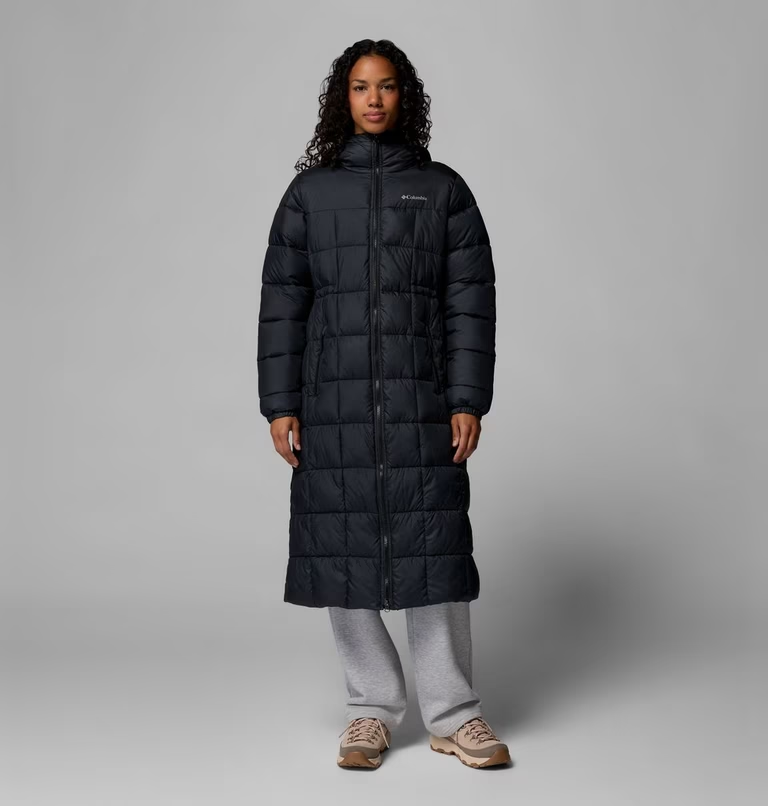
There is no universal coat rating that guarantees comfort at -20C for everyone. The effectiveness of a winter outfit depends on insulation, wind, activity, exposure time, fit and individual differences. A coat marketed for extreme cold can still feel inadequate if it is worn over unsuitable clothing, while a well-layered outfit can provide considerable comfort without relying on a single premium product.
Trousers deserve as much attention as the upper body. Ordinary denim jeans provide limited insulation, particularly when worn alone in very cold conditions. Thermal leggings beneath trousers can make a noticeable difference for daily commuting, walking and other outdoor activities. For longer periods outside, insulated winter trousers or wind-resistant outer trousers over a warm base layer may be more suitable. People who cycle, ski or participate in other outdoor activities may need clothing designed specifically for those conditions.
The same principle applies to socks. Thick socks are not automatically warmer if they leave too little room inside a boot. Tight footwear can restrict circulation, making toes feel colder. Wool or wool-blend socks are useful choices, and a properly fitted winter boot should leave enough space to move the toes without allowing the foot to slide around. If a second pair of socks makes the boot too tight, it may be counterproductive.
Footwear is one of the most important purchases for anyone preparing for a Finnish winter. Everyday trainers offer little protection against cold ground, snow or ice. Insulated winter boots with suitable traction provide a better starting point, particularly for people walking on untreated pavements or snowy paths. A water-resistant or waterproof construction can help keep feet dry, although the best choice depends on the expected conditions. Even well-insulated boots cannot eliminate the risk of slipping, so footwear with a dependable grip matters as much as warmth when surfaces are icy.

Hands, ears, neck and face are easy to overlook when most of the shopping budget goes towards a coat. At -20C, exposed skin can become uncomfortable quickly, particularly in windy conditions. Insulated mittens generally keep fingers warmer than gloves because the fingers share warmth in a common space. Gloves may offer better dexterity for handling keys, phones or transport cards, so some people carry thin liner gloves beneath larger mittens.
A warm hat that covers the ears is another essential item. A hood can provide extra protection, but it should not be treated as a complete substitute for a hat in severe cold. A neck warmer or scarf helps close the gap between the coat and the face, reducing the amount of cold air entering around the collar. For prolonged exposure, a suitable face covering can protect parts of the face, although it should not obstruct breathing or vision.
Buying everything at once can become expensive, especially for people who have recently moved to Finland and are still learning what they need. A sensible approach is to prioritise the items that make the greatest difference to daily comfort: a proper winter coat, thermal base layers, an insulating middle layer, winter boots with good traction, warm socks, mittens and a hat. Thermal leggings and a neck warmer are also worthwhile purchases for anyone who expects to spend time outside in freezing conditions.
Budget-conscious shoppers do not necessarily need to buy every item new. Second-hand shops, local online marketplaces and seasonal sales can offer opportunities to find wool jumpers, insulated trousers and winter coats at lower prices. When buying used clothing, inspect the zips, seams, cuffs, insulation and general condition, and check whether the garment still provides the protection needed. A worn coat with damaged insulation or a broken fastening may offer less value than a simpler garment in good condition.
The best shopping decisions also depend on how a person spends the winter. Someone who travels mainly by car and spends only a few minutes outdoors may need a different combination of clothing from someone who walks to work, waits for buses or takes children to outdoor activities. People who enjoy winter hiking, skiing or other extended outdoor pursuits should look for clothing suited to those activities rather than assuming that ordinary city winterwear will be sufficient.
Movement changes how much insulation is needed. Walking briskly generates body heat, while standing still allows a person to cool down more quickly. Dressing for a long walk as though one will remain motionless can lead to sweating, particularly when the middle layer is too heavy. Once clothing becomes damp, comfort can deteriorate during a subsequent period of inactivity. Starting with manageable layers and adding or removing insulation as conditions change is often more effective than wearing every available garment at once.
This is why strategic layering matters beyond simply keeping warm. A removable fleece or jumper allows someone to adjust to changing conditions, whether moving from an outdoor walk into a heated building or transitioning from physical activity to a period of waiting. Opening a coat briefly during exertion can also help release excess heat before sweat accumulates. Once outdoors again, the layers can be adjusted to reduce heat loss.
People new to Finland should also pay attention to weather warnings and the condition of exposed skin. At -20C, the combination of low temperatures and wind can increase the risk of cold injury, particularly during prolonged exposure. Frostbite can affect exposed skin, while hypothermia can develop when the body loses heat faster than it can produce it. Numbness, unusual skin colour changes, confusion, severe shivering or loss of coordination should not be dismissed as ordinary winter discomfort. Anyone experiencing concerning symptoms should seek warmth and appropriate medical assistance.
Children, older adults and people who have difficulty sensing or regulating body temperature may need additional precautions. Clothing should be checked during extended outdoor activities, and wet gloves, socks or base layers should be replaced when possible. Keeping a spare pair of mittens and socks in a bag is a simple habit that can prevent a small inconvenience from becoming a more serious problem.
There is no need to build a specialist expedition wardrobe simply to manage everyday winter life in Finland. Most beginners can prepare effectively with a handful of carefully selected garments that fit properly and serve distinct purposes. Spending more on an item that receives daily use, such as winter boots or a dependable coat, may be worthwhile, while less frequently used pieces can often be bought second-hand or added later.
The most useful rule is to prepare for the time spent outside, not just the number on the thermometer. At -20C, warmth comes from the combination of dry base layers, effective insulation, a protective outer shell, properly fitted footwear and coverage for exposed skin. Once that system is in place, dressing for Finnish winter becomes less of a guessing game and more of a routine that can be adjusted to the weather, the journey and the day’s activities.