Finding an apartment in Finland is easier when you understand where to search, how landlords assess applications and what to check before signing a lease. For newcomers, the rental market can be unfamiliar: listings are often published in Finnish, applications may require proof of income, and the process differs depending on whether the property belongs to a professional rental company or a private owner. Platforms such as Vuokraovi provide a starting point, while Lumo manages its own rental properties and private landlords offer another route into the market. Knowing how these options work can save time, reduce the risk of scams and help tenants make better decisions before committing to a home.

The first decision is not which website to use, but where you can realistically afford to live. Helsinki, Espoo and Vantaa attract people arriving for work, study and family reasons, but rents and availability vary by neighbourhood and apartment type. Tampere, Turku, Oulu, Lahti and other cities offer different combinations of employment opportunities, public transport, housing costs and access to services. A flat advertised at an attractive monthly rent may become less affordable once electricity, water, parking, transport and other regular expenses are taken into account.
For many renters, Vuokraovi is a practical place to begin. The website brings together rental listings from different property owners, including private landlords and professional housing providers. Instead of contacting every landlord separately to discover what is available, prospective tenants can compare properties, locations, sizes and asking rents in one place.
The distinction matters because Vuokraovi is primarily a search platform, not the landlord responsible for every apartment advertised there. The person or company named in an individual listing determines the application process, the rental conditions and the subsequent relationship with the tenant. An apartment found through the same website as another property may therefore involve a completely different application system, deposit requirement or set of contractual terms.
Renters should make full use of the available search filters, but avoid narrowing the search so aggressively that suitable homes disappear from view. Someone looking for a studio in a particular district, for example, could expand the search to nearby neighbourhoods connected by public transport. Being flexible about the exact move-in date, floor level or apartment layout can also create more options. However, flexibility should not mean accepting a property that does not meet essential requirements, particularly when it comes to affordability, commuting time or the length of the tenancy.
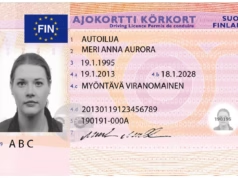
Listings can change quickly, so it is sensible to prepare the information a landlord is likely to request before beginning the search. Applicants may need to provide identification, details of their employment or studies, and evidence of income or other financial resources. Requirements differ between landlords, and a person who has just arrived in Finland may not have a Finnish employment record or established credit history. In that situation, explaining the circumstances clearly and providing relevant supporting documents can help demonstrate the ability to pay rent. Applicants should share personal and financial information only through appropriate channels and only to the extent reasonably necessary for the application.
A short, well-prepared application is often more useful than a long personal introduction. It should state who will live in the apartment, when the applicant hopes to move, how the rent will be paid and how long the accommodation is needed. Students can explain their study arrangements and available funding, while employees can describe their work situation. People who are still looking for employment should be honest about their circumstances rather than imply that they have an income they cannot document.
For renters who prefer dealing directly with a large property provider, Lumo offers a different route. The company operates a dedicated online store through which prospective tenants can search for available apartments and, where the property is eligible, rent directly online. Lumo says its portfolio includes more than 43,000 rental apartments across Finland and that many available homes can be rented without an intermediary.
The online process can be especially useful for someone who needs to arrange accommodation before arriving in Finland. Lumo allows prospective tenants to search by location, apartment size and maximum rent, with additional filters available for features and nearby services. If the first search returns few suitable properties, the company recommends broadening the criteria or submitting an open application. Its website also provides information about apartment viewings and the terms attached to renting directly online.
There are important conditions to understand before choosing this route. Lumo states that direct online rentals do not require a traditional security deposit, although the tenant must pay the first month’s rent or a reservation fee as applicable. It also offers a satisfaction guarantee under which a tenant who rents through the web store can cancel without cost if the apartment does not match the description or photographs provided. Prospective renters should read the applicable terms carefully, including the circumstances and procedure for cancellation, rather than assume that every online rental arrangement has identical conditions.
Not everyone will be able to use the same digital process. Lumo’s guidance distinguishes between people who have a Finnish personal identity code and those who do not, directing applicants without one to contact the company for assistance. This is a useful reminder for people moving from abroad: a missing Finnish identity code does not automatically mean that renting is impossible, but it may affect which application route is available and how the process must be completed.
Private landlords offer a third option, particularly for tenants looking for a specific neighbourhood, a smaller property or a more direct arrangement with the person who owns the home. Their advertisements appear on listing services such as Vuokraovi and on other platforms, including Tori. Some landlords manage the entire process themselves, while others use a property manager or estate agent.
The experience can vary considerably. One private landlord may respond quickly, arrange a viewing and explain the contract in detail. Another may receive many applications and take longer to make a decision. Tenants should not assume that a private rental is automatically cheaper than a company-managed apartment, or that a larger rental company will always offer the better deal. The total cost, property condition, contract terms and reliability of the person offering the apartment matter more than the category of landlord.
Direct communication can be an advantage when a prospective tenant needs to ask about pets, furniture, repairs, a possible move-in date or other practical details. It can also require more care. Before transferring money or signing an agreement, the renter should establish who has the authority to rent out the property. If the person advertising the apartment claims to represent an owner, their role should be verifiable. Be particularly cautious if someone refuses a reasonable viewing or verification process, pressures you to pay immediately, or asks for money before providing a credible tenancy agreement.
A convincing-looking advertisement is not proof that an apartment is genuinely available. Photographs can be copied, and a scammer may claim to be overseas or unable to meet in person. Requests to transfer a deposit to an unrelated person, unusual payment instructions and offers that appear implausibly cheap should prompt further checks. A renter who cannot view a property in person should seek independent verification of the landlord, the property and the contractual arrangements before making a payment. The aim is not to treat every private landlord with suspicion, but to verify the transaction before committing money.
Once a suitable property has been identified, the viewing is an opportunity to look beyond the photographs. Check the general condition of the apartment, windows, bathroom, kitchen appliances, storage space and signs of damp or damage. Ask what furniture and appliances are included, whether heating is included in the rent, how water is charged and whether a parking space or laundry facilities cost extra. In apartment buildings, the surrounding environment also deserves attention: noise, access to public transport, the location of grocery shops and the practicalities of getting to work or university can shape everyday life as much as the apartment itself.
A property that looks affordable on the listing may have additional costs that materially change the monthly budget. Electricity is commonly arranged separately by the tenant, while water charges may be fixed or based on consumption. Heating arrangements vary according to the building and the type of system. Residents may also pay separately for a parking space, a shared sauna or laundry facilities. Prospective tenants should ask for a clear explanation of recurring charges rather than compare apartments on rent alone.
The tenancy agreement deserves at least as much attention as the apartment itself. In Finland, rental agreements should be made in writing, with the rent, payment arrangements, deposit, duration and termination conditions clearly set out. A lease may be valid until further notice or for a fixed term. An agreement that continues until terminated generally offers greater flexibility for someone whose plans may change, while a fixed-term contract commits both parties to the agreed period in the ordinary course of the tenancy. A fixed-term lease should not be signed on the assumption that it can be ended whenever the tenant wishes to move.
Security deposits are another important consideration. InfoFinland explains that a rental deposit commonly equals two months’ rent and cannot exceed three months’ rent. The agreement should specify how and when it must be paid and the conditions for its return. A deposit is not automatically the equivalent of the final month’s rent. At the end of the tenancy, deductions may be justified for unpaid obligations or damage for which the tenant is responsible, but ordinary use of a home should not be confused with negligent damage. Tenants should keep records of payments and the condition of the property to reduce the risk of disputes.
Before collecting the keys, it is worth documenting the apartment’s condition with dated photographs and reporting existing defects to the landlord in writing. Keep a copy of the signed agreement, payment receipts and correspondence about repairs. Ask how to report urgent maintenance problems and whether the landlord requires home insurance. These small administrative steps can become important if a disagreement arises over damage, maintenance responsibilities or the return of the deposit.
The search may require a different approach for people who qualify for municipal or state-subsidised rental housing. These homes are generally applied for through the relevant housing provider rather than rented through the same immediate process as a privately advertised apartment. Eligibility and tenant selection can depend on the housing scheme and the applicant’s circumstances. People who qualify should investigate this option alongside private rentals, while recognising that an application does not guarantee an immediate offer.
For most people, the most effective strategy is to search several channels at the same time. Vuokraovi provides a broad view of advertised homes, Lumo offers a direct digital route to properties within its own portfolio, and private landlords can provide alternatives that may not suit every applicant’s needs in the same way. None removes the need to assess affordability, verify the person offering the apartment and read the agreement carefully.
Renting in Finland becomes more manageable when the process is treated as a series of practical decisions rather than a race to secure the first available home. Set a realistic budget, prepare the documents you can reasonably provide, respond promptly to suitable listings and ask questions before signing. The right apartment is not simply one that is available today. It is one whose location, costs and contract make sense for the life you intend to build in Finland.