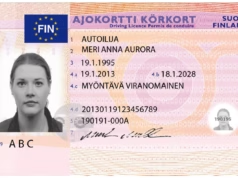
Opening a Finnish bank account without strong electronic identification can be a frustrating first step for newcomers, particularly those who need to receive a salary, pay rent or access essential services before their Finnish paperwork is complete. The good news is that opening an everyday bank account and obtaining the electronic credentials used to log in to public services are two different processes, and foreigners should not assume they must have both from the outset.

Finland’s banking system relies heavily on digital identification. Finnish online banking credentials are used not only to manage money but also to verify identity when accessing government services, completing tax matters and handling other official business. For someone who has recently arrived, does not yet have Finnish banking credentials or holds identity documents issued outside Europe, this creates a practical obstacle: the services needed to establish everyday life can depend on identification that the person has not yet been able to obtain.
The distinction matters because a bank account may be available even when full electronic identification is not. The Nordic cooperation information service Info Norden explains that a Finnish personal identity code is not a general prerequisite for opening a bank account, although banks must be able to verify a customer’s identity reliably. It also cautions that banks differ in their requirements and procedures, making it sensible to contact more than one provider before arranging an appointment.
For foreigners who need to start the process, three banks stand out as reasonable places to investigate: Nordea, OP and Danske Bank. S-Bank may also be worth considering for people who meet its requirements, although its conditions make it a less straightforward option for some newcomers. None should be treated as a guaranteed route to immediate access. The documents a customer holds, their residence status and whether their identity can be verified all affect the outcome.

Nordea is a practical starting point for people who have recently moved to Finland and need to arrange their first banking services. The bank specifically provides a process for foreign nationals who live in Finland and have a valid identity document and proof of their right to reside in the country. Applicants can arrange an appointment at a branch rather than relying on the online onboarding process, which requires existing Finnish banking credentials and a Finnish passport or identity card. Nordea asks newcomers to bring a valid passport or qualifying EEA identity card, together with a residence permit or other evidence of the right of residence, as applicable. A Finnish personal identity code is recommended, and applicants without qualifying European identity documents should be prepared for additional identity verification.
OP is another option, particularly for people who already have a Finnish personal identity code and a registered address but have not yet established their full digital banking access. Its process for people who have moved to Finland begins with an application and document review, followed by a branch appointment. OP asks applicants for identification, proof of residence status and, where applicable, evidence of employment or student status and documents showing income and expenditure. It says the application process is intended to lead to a meeting at which a current account can be opened and other services discussed, including a card and online banking access where appropriate.
The important limitation is that OP’s published onboarding process for newcomers already expects a Finnish personal identity code and a Finnish address registered with the Digital and Population Data Services Agency. Applicants who lack either should contact a branch before relying on the standard process. OP also provides a route to basic banking services through its cooperative banks, which may be relevant to people who do not qualify for ordinary digital onboarding.

Danske Bank deserves particular attention because it explicitly explains that a Finnish personal identity code is not required to open basic banking services. The bank says these services are available on equal and non-discriminatory terms to people legally resident in the European Economic Area. It also accepts applications from people living in Finland whose applications for asylum, temporary protection or another residence permit are still being processed, subject to the bank’s requirements and identity checks.
For someone without existing Finnish banking credentials, the route is not necessarily an online application. Danske Bank’s standard digital onboarding process requires credentials from another Finnish bank, so prospective customers who do not have them are directed to contact customer service and arrange a branch appointment. The bank also makes clear that opening a basic account and obtaining online banking identifiers are separate matters, with separate requirements for the latter.

S-Bank requires a more careful assessment. It allows foreign nationals to apply for banking services, but its published instructions specify different routes depending on the applicant’s circumstances. For an appointment under its regular process, the bank lists requirements that include a Finnish personal identity code, an address registered in Finland’s Population Information System and an accepted identity document. Where an applicant does not yet have a Finnish personal identity code or registered address, S-Bank instructs them to bring official correspondence confirming their residential address. Applicants who have not yet received a residence permit may need official evidence from a Finnish authority that they are legally residing in the country.
S-Bank strongly recommends obtaining a Finnish personal identity code before opening services. Without one, customers may receive limited online banking credentials that cannot be used to identify themselves in other services, including government services. Its services are primarily designed for members of the S Group’s cooperative customer-owner households, although non-members can also become customers under a more limited service offering and a separate price list. For a newcomer whose priority is full digital identification, these conditions make it particularly important to confirm eligibility before choosing S-Bank.
The differences between these banks point to a wider issue: having an account is not the same as having a fully functioning digital identity. A basic payment account is intended for everyday transactions, such as receiving money, making payments and using a payment card. Strong electronic identification is a separate capability used to verify a person’s identity online. Someone may be able to open an account and receive payments without immediately gaining access to all the digital services they expected.
The Financial Supervisory Authority has addressed this distinction directly. In a 2023 review of banking services for foreign nationals moving to Finland, it stated that the absence of a Finnish personal identity code is not, by itself, a lawful reason to deny basic banking services, although it can prevent a bank from issuing a strong electronic identification instrument. The review also highlighted the importance of making banking services accessible to newcomers rather than restricting access solely to circumstances in which a bank is legally obliged to provide them.
The right to basic banking services is especially relevant to people legally resident in an EEA country. According to FINE, Finland’s Financial Ombudsman Bureau, those services include an account, a payment card and payment transactions. The bank must be able to verify the applicant’s identity reliably and comply with its legal obligations, including rules designed to prevent money laundering. If it refuses a basic payment account, it must explain the reason in writing, free of charge, and provide information about how the decision can be challenged. FINE says applications for basic payment accounts must be processed without undue delay and no later than ten days after the application.
These protections should not be mistaken for a guarantee that every bank must accept every applicant in every circumstance. The legal position depends partly on residence status, while the bank still has to establish the customer’s identity and collect information required by law. People who have arrived from outside the EEA, or whose right to reside in Finland is not yet established, may face a different assessment from those who are legally resident in an EEA country. The Financial Supervisory Authority’s review recognises that banks may have discretion to provide services to people moving to Finland from outside the EEA, provided they can verify identity and meet their other regulatory obligations.
Preparation can make the first appointment more productive. Applicants should take their original, valid passport or other identity document accepted by the bank, along with their residence permit or official evidence of their residence status. A Finnish personal identity code certificate, if available, and official proof of a Finnish address can also help. People who are employed or studying should consider bringing an employment contract or certificate of student status. Recent bank statements, information about income and the source of funds may be requested as part of the bank’s customer checks. OP, for example, specifically asks some newcomers for income and expenditure documents covering the previous three full months.
The bank may also ask why the account is needed, where incoming money will come from, which countries the applicant expects to send money to or receive money from, and whether the account will be used for salary payments, studies or everyday living expenses. These questions are part of customer due diligence, not necessarily a sign that an application is in trouble. Answers should be accurate and supported by documents when possible. If an applicant expects regular international transfers, explaining their purpose at the outset can help the bank understand the intended use of the account.
Before visiting, it is worth contacting the bank and describing the exact situation rather than asking only whether foreigners can open accounts. Explain whether a Finnish personal identity code has been issued, whether an address is registered, what passport or identity card is available, and whether the applicant has a residence permit or a pending application. Ask specifically whether a basic payment account can be opened without strong electronic identification, which original documents are accepted, whether an appointment is required and what level of online access can be issued.
For many newcomers, the most sensible first step is to contact Nordea or Danske Bank and ask about an in-person application, while also checking OP’s requirements if they already have a Finnish identity code and registered address. S-Bank may suit people who meet its more specific onboarding conditions. These are practical starting points rather than a ranking of service quality, and the best choice depends on the applicant’s circumstances and the services they need.
Anyone who is refused should ask for the decision and its grounds in writing, particularly when applying for a basic payment account and believing they qualify for statutory access. FINE provides independent guidance on payments and accounts, while the Financial Supervisory Authority publishes information about basic banking services. Their guidance can help applicants distinguish a lawful identity or compliance problem from a requirement that may not apply to the basic account they are seeking.
Ultimately, the goal is to separate the immediate need to manage money from the longer process of establishing a Finnish digital identity. A basic account can help a newcomer receive wages, pay bills and participate in daily life, but it may not unlock every online service. Securing a Finnish personal identity code, registering personal details with the relevant authorities and confirming the bank’s requirements for strong electronic identification should therefore be treated as parallel steps. For foreigners arriving without established Finnish credentials, knowing that distinction can save unnecessary appointments, delays and the mistaken belief that life in Finland cannot begin until every digital requirement has been met.