
Wizz Air baggage fees can turn a cheap flight into a more expensive journey, but careful packing and a clear understanding of the airline’s cabin baggage rules can help travellers avoid unnecessary charges. The key is to know exactly what the ticket includes, measure bags before leaving home and resist the temptation to bring more than the fare allows.
The Hungarian low-cost airline operates on a model in which passengers can keep their initial ticket costs low by paying separately for certain extras. Baggage is one of the most important of these, particularly for travellers who assume that a standard cabin suitcase is included in every booking. It is not. Wizz Air’s basic fare generally includes one small carry-on bag, while a larger cabin trolley and checked baggage require additional payment or an eligible fare or service.
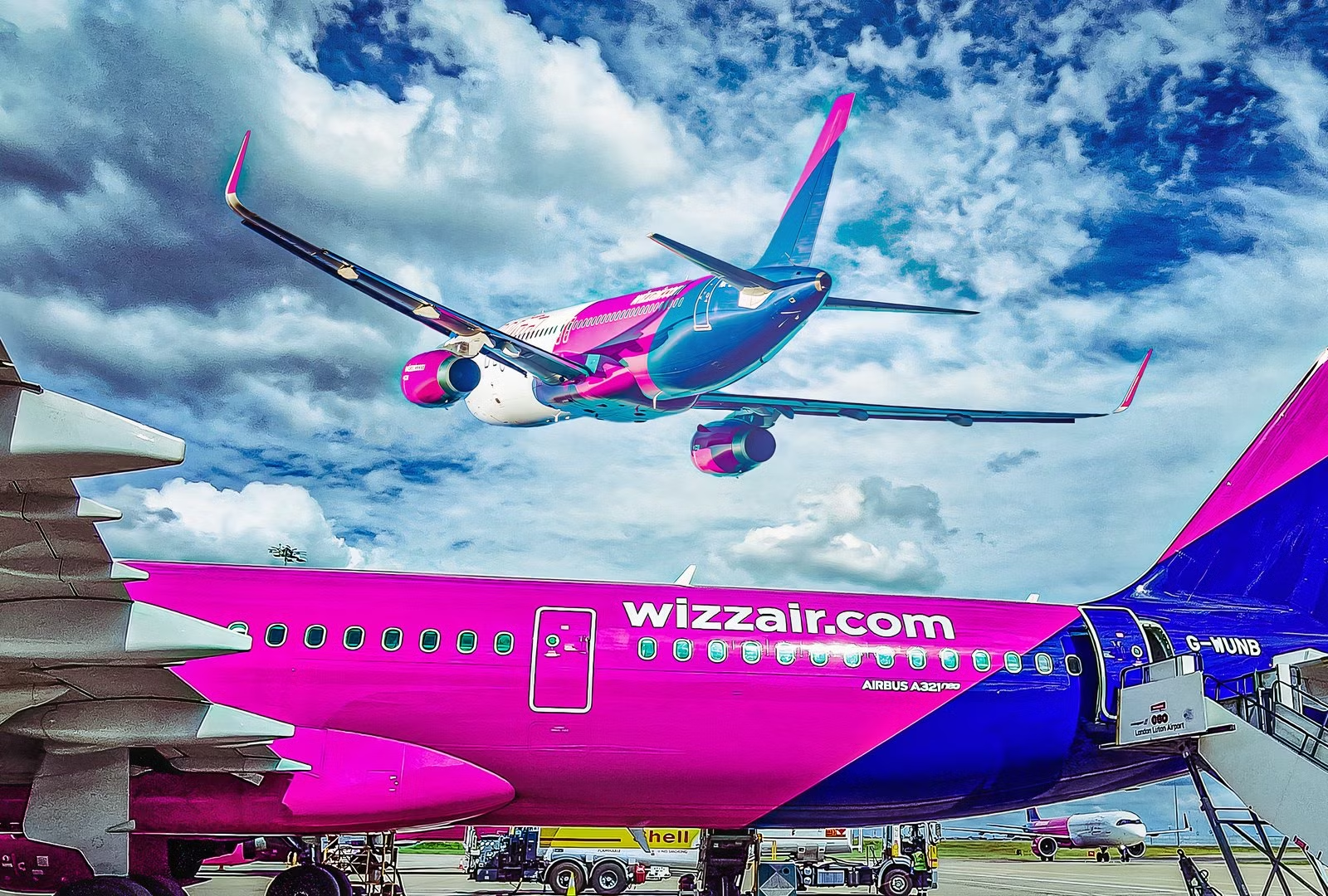
For travellers trying to keep a trip affordable, the difference between a bag that fits the allowance and one that exceeds it can matter as much as the original ticket price. The most reliable way to avoid surprise fees is to plan around the baggage allowance rather than pack first and hope the bag passes inspection.
Wizz Air’s published rules give every passenger one free carry-on bag measuring no more than 40 x 30 x 20 cm and weighing up to 10 kg. The bag must fit beneath the seat in front of the passenger. A small backpack, handbag or laptop bag can qualify, provided it stays within the permitted dimensions.
That measurement should guide the first packing decision. A bag may look compact when empty but expand considerably once clothes, toiletries and electronics are inside. External pockets, bulging fabric and the shape of the bag can all affect whether it fits the airline’s baggage sizer. Measuring the bag at home when it is fully packed is a more reliable test than checking its dimensions on the manufacturer’s website.
Soft-sided backpacks are often practical for this reason. Unlike rigid suitcases, they can sometimes be compressed to fit the available space, although they must still remain within the airline’s size limits. A backpack advertised as suitable for cabin travel is not automatically compliant with Wizz Air’s allowance. Travellers should check the actual dimensions rather than relying on labels such as “under-seat bag” or “airline approved”.
The next step is to pack for the trip rather than for every possibility. A weekend away rarely requires several pairs of shoes, multiple bulky outfits or full-sized toiletries. Choosing clothes that work together, wearing the heaviest shoes during the journey and limiting footwear to what the itinerary genuinely requires can free up considerable space. Rolling lightweight clothing or using packing cubes may help organise a small bag, but neither technique changes the airline’s size or weight restrictions.
Clothing can also serve more than one purpose. A jacket that works for sightseeing and dinner, trousers that pair with several tops and a lightweight layer for cooler evenings reduce the need for separate outfits. Travellers heading to colder destinations can wear their bulkiest coat and shoes on the flight instead of filling the bag with them. The aim is not to sacrifice comfort, but to make every item justify the space it occupies.
Toiletries are another common source of unnecessary bulk. Refillable travel bottles, solid shampoo and compact personal-care products can replace full-sized containers. Passengers should check the departure airport’s security rules for liquids before packing, since cabin baggage restrictions may apply independently of the airline’s size allowance. Any savings in space should not come at the expense of carrying prohibited items or ignoring security requirements.
Travellers should also be careful about what they consider a separate personal item. Wizz Air’s standard free allowance covers one carry-on bag, not a small suitcase plus a handbag, laptop case or neck pillow carried independently. The airline specifically states that neck pillows must fit inside the permitted cabin bag if passengers want to avoid additional baggage charges. Coats, blankets, mobile phones, reading material and qualifying duty-free purchases are among the items the airline lists separately as permitted onboard without an extra charge.

This is where a little organisation before leaving home can prevent an awkward discussion at the boarding gate. Put the laptop, charger, wallet, travel documents and other essentials inside the main bag rather than distributing them across several small bags. If an item is permitted separately under the airline’s rules, there is no need to force it into the bag, but passengers should not assume that every accessory qualifies for an exemption.
The larger cabin trolley is another important distinction. Wizz Air allows a trolley bag measuring up to 55 x 40 x 23 cm and weighing no more than 10 kg for passengers with WIZZ Priority. The service also includes the standard under-seat bag, so eligible passengers can bring both items into the cabin. Without the relevant allowance, a suitcase that meets those dimensions is not automatically included in a basic ticket.
For anyone who needs more space, the question is whether paying for the extra allowance is cheaper than the alternatives. A traveller taking a short city break may be able to manage with the free bag. Someone carrying formal clothing, specialist equipment or supplies for a longer stay may find that a larger allowance is necessary. Trying to squeeze everything into a bag that does not meet the rules can be a false economy if an additional charge becomes payable at the airport.
The timing of the purchase matters, too. Wizz Air allows passengers to add baggage during booking or later through their booking overview, and it also offers baggage options through its call centre. The airline warns that purchasing baggage at the airport costs more. Fees can vary according to the travel dates, the baggage option, the payment method and the bag’s size or weight, so there is no single price that applies to every flight.
Travellers who need a checked suitcase should compare the cost of adding one with the price of a fare bundle that includes baggage. WIZZ GO and WIZZ PLUS include checked baggage, according to the airline’s published allowance information, while the basic fare does not. Whether a bundle is worthwhile depends on the full price and the services the passenger actually intends to use. Buying an upgrade purely because it sounds more comprehensive may not be the cheapest choice for someone who needs only a small bag.
Weight deserves attention even when the bag looks small. The free carry-on allowance has a maximum weight of 10 kg, and the same limit applies to the WIZZ Priority trolley. A compact backpack filled with books, electronics and heavy toiletries can become surprisingly weighty. A luggage scale is a useful investment for frequent budget-airline travellers, while an ordinary household scale can provide a basic check before departure.
Passengers travelling together can coordinate their packing to avoid bringing duplicate items. One person might carry a shared charger or a small set of toiletries, while everyone agrees in advance who will bring any equipment needed by the group. Each passenger should still check their own allowance, because the presence of unused space in another person’s bag does not automatically authorise an additional piece of cabin luggage.
It is equally important to check the booking confirmation before assuming that baggage is included. A ticket purchased as part of a bundle, a booking with an added service and a basic fare may come with different entitlements. Passengers should review the allowance attached to their actual reservation and confirm the current rules on Wizz Air’s official website before travelling, particularly if they booked well in advance.
Ultimately, the most effective way to avoid Wizz Air baggage fees is to make the airline’s allowance part of the packing process from the beginning. Select a bag that fits, weigh it when full, remove items that will not be used and pay for additional space in advance when the trip genuinely requires it. A cheaper flight is only a saving if the total cost remains affordable after the practical requirements of the journey have been taken into account.


