
The Germany freelancer visa, officially known as the residence permit for freelance employment or Aufenthaltserlaubnis zur Ausuebung einer freiberuflichen Taetigkeit, can offer non-EU nationals a route to living and working independently in Germany. But applicants must do more than demonstrate professional experience. They need to show that their proposed work qualifies as freelance activity, that they can finance their plans and living expenses, and that they meet the requirements for their particular profession.
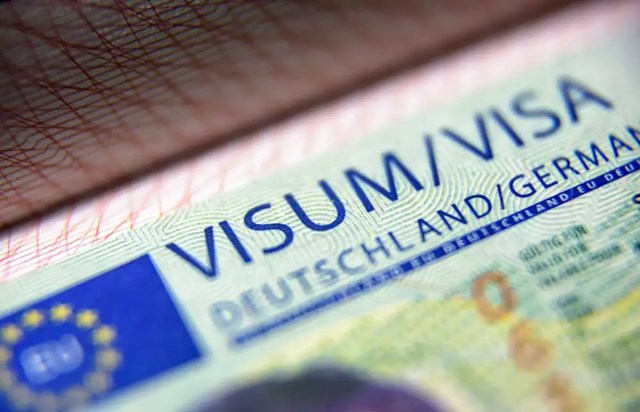
One of the most significant mistakes is assuming that having freelance clients automatically makes someone eligible. Germany distinguishes between Freiberufler, who work in recognised liberal professions, and Gewerbetreibende, who operate commercial businesses. The distinction matters because the two routes fall under different provisions of Section 21 of Germany’s Residence Act. An applicant whose planned activities are classified as a commercial business may need a different residence permit, even if they work independently and have no employees.
The difficulty is that the word “freelancer” is used broadly in everyday conversation, while German law applies a more specific classification. Journalists, artists, writers, translators and certain other professionals may qualify, depending on their actual work and individual circumstances. However, simply registering as self-employed or describing a service as freelance does not settle the question. Applicants should establish how the German authorities are likely to classify their proposed occupation before building an application around it.
A second common weakness is submitting a business plan that describes an ambition rather than a viable professional activity. An applicant might explain that they intend to work as a graphic designer, consultant, photographer or writer, but provide little evidence of the services they will offer, the clients they intend to serve or the income they reasonably expect to earn. A convincing application should connect the applicant’s experience to a clearly defined service, a realistic pricing structure and a credible plan for securing work.
Germany’s official guidance identifies the ability to finance the proposed activity and support oneself as important considerations for a freelance residence permit. Applicants should therefore avoid treating the business plan as a formality. It should explain how the work will operate in practice, what expenses are expected and how the applicant intends to cover personal living costs while establishing a client base.
The financial evidence can be just as important as the plan itself. Applicants who present ambitious revenue forecasts without supporting documents may leave questions about whether those projections are realistic. Existing client contracts, letters of intent, written commissioning arrangements, invoices from previous work and relevant bank statements can help establish the commercial basis of a proposal, where applicable. These documents do not guarantee approval, but they can make the connection between the proposed work and its expected income easier to assess.
Relying entirely on savings can also leave an application less persuasive if the documents do not explain how the freelance activity will become sustainable. Savings may demonstrate that an applicant has funds available, but they do not necessarily show that the proposed work can generate continuing income. A stronger application explains both the resources already available and the expected sources of earnings. The precise evidence required will depend on the applicant’s circumstances and the instructions of the responsible German mission or foreigners authority.
Another mistake is submitting a portfolio or CV without showing how it supports the proposed business. Years of professional experience can strengthen an application, but a list of previous jobs is not the same as evidence of a credible plan to work independently in Germany. A photographer, for example, might have an extensive portfolio but provide no explanation of the services they intend to sell or the clients they hope to reach. A consultant might have senior-level experience but fail to identify the type of work they will undertake.
Applicants should make their professional history relevant to the proposed activity. Qualifications, selected work samples, references, previous client relationships and evidence of completed assignments can help demonstrate that they have the skills and experience needed to deliver the services described in the application. Germany’s official guidance specifically identifies professional references and entrepreneurial experience as useful supporting material.
Client documentation deserves particular attention. An applicant who says they already have prospective customers but supplies no supporting evidence may struggle to make the proposal convincing. Where genuine client interest exists, written confirmations should identify the intended services and, where possible, the expected scope or duration of the work. Applicants should not manufacture contracts or exaggerate the certainty of informal discussions. A clear distinction between confirmed assignments, prospective clients and longer-term business opportunities makes the application more credible.
There is also a risk in assuming that every profession can be practised without additional authorisation. Germany requires applicants to hold any professional permission needed for the activity in question. This is especially relevant where a profession is regulated or where specific qualifications and licences are required. A person who meets the general financial requirements may still face difficulties if they cannot establish that they are legally entitled to perform the proposed work.
Health insurance and other required supporting documents should not be left until the final stage. Germany’s official guidance includes proof of health insurance among the documents generally required for a freelance residence permit, alongside an application form, a valid passport and a business plan. The list is not universal, however, and the responsible authority may request additional documents according to the case. Applicants should obtain the current checklist from the German embassy or consulate handling their visa application, or from the local foreigners authority if they are applying in Germany.
Applicants aged over 45 face an additional consideration: adequate provision for old age. Germany’s official guidance identifies pension provision as a requirement for this age group. Leaving this issue unaddressed, or assuming that ordinary savings will automatically satisfy the authorities, can create avoidable problems. Applicants should ask the responsible authority what evidence it accepts and provide documentation appropriate to their financial circumstances.
The application route itself can also be misunderstood. People applying from outside Germany generally need to approach the competent German diplomatic mission for the relevant visa, while those already in Germany must establish which application procedure applies to their existing immigration status. The official German government portal advises applicants to check whether they require an entry visa and to confirm the applicable requirements with the relevant authority before submitting their application. Assuming that a short-stay visa or an existing residence permit automatically allows a person to establish a freelance career can therefore be a serious error.
Timing and consistency matter throughout the process. A business plan that describes one occupation, a portfolio that suggests another and client letters that refer to unrelated services can make it harder for an authority to understand the purpose of the application. The same applies when projected earnings differ significantly between documents without a clear explanation. Applicants should review the full file before submission to ensure that their proposed activity, professional background, financial estimates and supporting evidence tell the same story.
Submitting incomplete documents can create delays and additional requests for evidence, even when an applicant may otherwise meet the requirements. A careful review of the current checklist is more useful than relying solely on online accounts from people who applied in another German city or several years earlier. Local procedures and individual circumstances can affect which supporting documents are requested, so advice that worked for one applicant should not be treated as a universal rule.
It is equally important to distinguish between the legal requirements and informal advice circulating online. There is no single public checklist that can guarantee approval in every case, and a successful application by one freelancer does not establish that another person with a similar job title will qualify. The classification of the occupation, the applicant’s financial position, any professional licensing requirements and the evidence submitted all need to be considered in context.
Germany’s freelance residence permit is initially granted for a limited period, generally up to three years under the government’s published guidance, and extensions depend on the circumstances and the applicant’s ability to sustain themselves and their family through the activity. The permit should therefore be approached as a serious professional undertaking, not simply as a way to move to Germany while looking for work.
For prospective applicants, the most useful preparation begins before the application form is completed. Confirm that the planned occupation fits the freelance route, establish what permissions are needed, prepare a realistic business plan, gather credible evidence of client demand and income, and verify the financial and insurance requirements with the competent authority. Where the distinction between Freiberufler and Gewerbe is unclear, or the applicant’s immigration status complicates the process, qualified immigration or tax advice may help clarify the options.
No amount of paperwork can guarantee a positive decision. But a coherent application that addresses the actual legal requirements and supports its claims with relevant evidence gives the authorities a clearer basis on which to assess the case. For freelancers hoping to build a career in Germany, that preparation can make the difference between a proposal that merely sounds promising and one that is properly documented.


