
Luxury travel in 2027 is expected to move further away from conventional five-star holidays, with affluent travellers showing stronger interest in privacy, personalised experiences, celebrations, adventure and high-end all-inclusive stays.
That is one of the main findings from Virtuoso’s 2027 Luxe Report, which draws on insights from more than 3,100 travel advisors across more than 50 countries. The report offers a look at how wealthy travellers are expected to spend their travel budgets in the year ahead and what types of experiences are gaining momentum.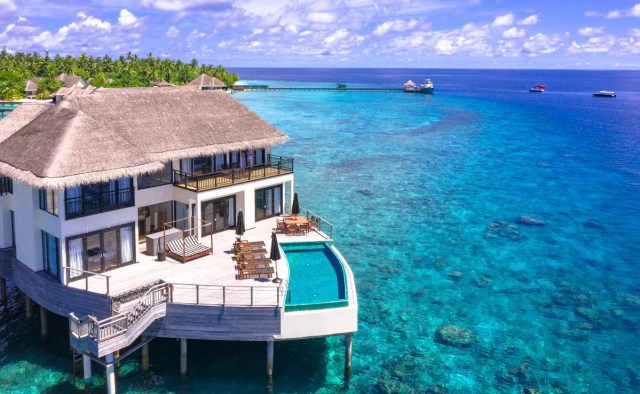
The outlook suggests that luxury travel spending will continue to rise, although most advisors expect the increase to be moderate rather than dramatic. Some 59% of advisors surveyed expect spending on trips to increase modestly, while 13% anticipate a significant increase. Another 23% expect spending to remain at 2026 levels.
Virtuoso says this points to travellers continuing to place greater importance on meaningful experiences, quality, access and time. At the same time, value and safety are becoming more important factors in deciding where affluent travellers go and how they travel.
Europe is expected to remain a major part of the luxury travel market in 2027. Seven of the 10 most popular global destinations identified in the report are in Europe. Japan takes the top position, followed by Italy, France, Greece and Spain. Croatia, Portugal and the UK also feature in the top 10, alongside South Africa and the United States.
The reasons people are travelling are also revealing. Celebrating an important milestone, exploring somewhere new and spending time with loved ones are expected to be the three leading motivations for affluent travellers in 2027. Multigenerational holidays, trips with immediate family and expedition cruises are also among the major travel trends identified by the report.
One of the clearest developments is the growth of what Virtuoso describes as “ultraluxe travel”. Advisors reported a 47% increase in this category, which includes exclusive-use properties, private arrangements and exceptionally high-end experiences.
All-inclusive travel sits at the top of the ultraluxe experience list. The traditional image of an all-inclusive holiday built around buffets and standardised accommodation is changing, according to Virtuoso. High-end properties are increasingly focusing on private villas, destination dining, tailored service and experiences designed around individual guests.
For affluent travellers, the appeal is not simply having meals and activities included in the price. The newer generation of luxury all-inclusives is attempting to combine convenience with privacy, quality and a more personal level of service.
Celebration travel ranks second among the experiences expected to shape ultraluxe travel in 2027. Destination weddings, anniversaries, milestone birthdays, graduations and family gatherings are all contributing to demand for high-end trips built around significant occasions.
The honeymoon market also reflects this appetite for memorable destinations. Virtuoso’s research places Greece, Bali, the Maldives, Italy and French Polynesia among the five most popular honeymoon destinations for 2027.
Privacy is another major consideration for luxury travellers. The growth of social media has made it easier for previously little-known destinations to become heavily visited, sometimes in a matter of months. For travellers paying a premium, avoiding crowded attractions and maintaining a greater sense of personal space can therefore be part of the value of the trip itself.
Privacy in luxury travel is increasingly about more than having an expensive hotel room. It can mean private transportation, secluded accommodation, exclusive access and itineraries that allow travellers to avoid the busiest parts of a destination. For some travellers, the ability to move through a trip without long queues or constant exposure to crowds has become an important part of the experience.
Personalisation is also becoming central to the luxury market. Affluent travellers are increasingly looking for trips that reflect their interests rather than simply buying a standard luxury package.
That can mean a private tour built around a particular interest, a dining experience arranged to suit individual tastes or access to experiences that would be difficult for an independent traveller to organise. The broader shift is from luxury as a product to luxury as something designed around the individual.
Personal enrichment and education ranked eighth among the leading motivations for affluent travel in Virtuoso’s research. That suggests that luxury travellers are not only looking for comfort and exclusivity, but also experiences that offer something they can take away from the journey.
Adventure is another area expected to gain attention in 2027. Seeking adventure ranked 10th among the top motivations for affluent travellers, while Antarctica, South Africa, Iceland, Costa Rica and Kenya were identified as the five most popular adventure destinations for the year ahead.
The combination of luxury and adventure is significant because it challenges the idea that high-end travel is primarily about relaxation. Increasingly, travellers can have private accommodation, high-end service and carefully organised logistics while also pursuing demanding or remote experiences.
Antarctica is a particularly strong example of this trend, where expedition travel can be combined with luxury accommodation and highly personalised service. South Africa and Kenya offer another version of the same model, bringing wildlife and outdoor experiences together with high-end lodges and tailored itineraries.
Taken together, Virtuoso’s findings point to a luxury travel market that is becoming more selective about what makes a trip worth paying for. The emphasis is shifting towards experiences that offer privacy, personal relevance, access and memorable moments rather than simply a higher price tag.
For travellers planning their 2027 holidays, that could mean fewer conventional luxury breaks and more trips built around a specific purpose, whether that is celebrating a family milestone, exploring a remote destination, travelling with several generations of relatives or pursuing an adventure with a higher level of comfort.
The report also suggests that luxury travel is becoming more closely connected to time. For affluent travellers, paying more can be about reducing friction, gaining access and creating an itinerary that feels difficult to replicate. In that sense, the luxury of 2027 may be defined less by how much a traveller spends and more by how precisely the trip matches what they actually want from it.


