Europe’s travel and tourism industry is expected to grow by 3.1% in 2026, putting the sector ahead of the wider European economy despite continued geopolitical uncertainty and pressure on household finances, according to new research from the World Travel & Tourism Council (WTTC).
The forecast puts Europe ahead of the global travel and tourism sector, which is expected to grow by 2.5% over the same period. The figures were released on the opening day of the WTTC’s 26th Global Summit in Malta, where tourism executives, government officials and other industry leaders are meeting to discuss the sector’s next phase of growth.
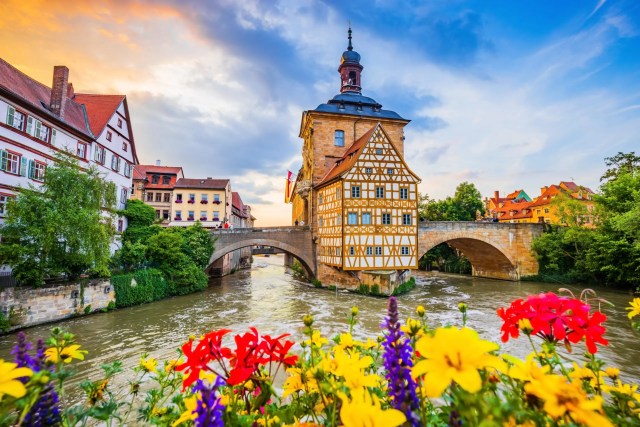
International visitor spending in Europe is forecast to rise by 5.8% in 2026. Spending on leisure travel is expected to increase by 3.1%, while business travel is projected to grow by 4.2%.
The figures arrive at a time when tourism markets continue to face a complicated economic and geopolitical environment. The WTTC said the European sector is expected to remain resilient despite tensions in the Middle East and the continuing cost of living pressures affecting consumers.
The summit in Malta has brought together more than 200 chief executives and government officials, along with around 1,000 delegates. The annual event is one of the industry’s major international gatherings and is often described as a global meeting point for tourism leaders.
WTTC President and CEO Gloria Guevara said the European tourism industry is in a position to invest and innovate, but argued that governments need to provide the conditions needed for that growth to continue.
She highlighted seamless travel, stronger connectivity, workforce development and sustainable growth as priorities for the sector. Guevara also said decisions being made now will influence how much of the projected opportunity Europe is able to capture.
The summit’s programme reflects many of the challenges facing destinations as visitor numbers and tourism spending continue to increase. Discussions at the FUTU[RE]SET Global Summit are focusing on how destinations can expand tourism while limiting pressure on local communities and improving the long-term sustainability of the industry.
Accessibility and sustainable tourism are also among the issues being discussed by participants, alongside broader questions about the future direction of international travel.
The speaker line-up includes former Canadian Prime Minister Justin Trudeau, European Commissioner for Sustainable Transport and Tourism Apostolos Tzitzikostas, and Nick Adams, the first US Presidential Envoy for Tourism.
WTTC Chairman Manfredi Lefebvre said the summit provides an opportunity for political and business leaders to work together on the issues shaping the future of travel and tourism. He also pointed to Malta’s role as host, saying the country’s government had demonstrated a strong commitment to the tourism sector.
For European destinations, the projected 2026 growth comes with both an economic opportunity and a set of practical challenges. Higher international visitor spending could benefit tourism businesses, destinations and related industries, but continued growth will also require investment in transport, infrastructure, skills and the management of visitor pressure.
The WTTC figures suggest that Europe is entering 2026 with a relatively strong tourism outlook compared with the global market. Whether that growth can be sustained will depend in part on how governments and the industry respond to the economic, geopolitical and environmental pressures affecting travel.