Klein Constantia carries more than three centuries of winemaking history on the eastern slopes of Cape Town’s Constantiaberg mountains, where historic vineyards, celebrated wines and a strong emphasis on hospitality have made the estate one of the Constantia Valley’s distinctive visitor destinations.
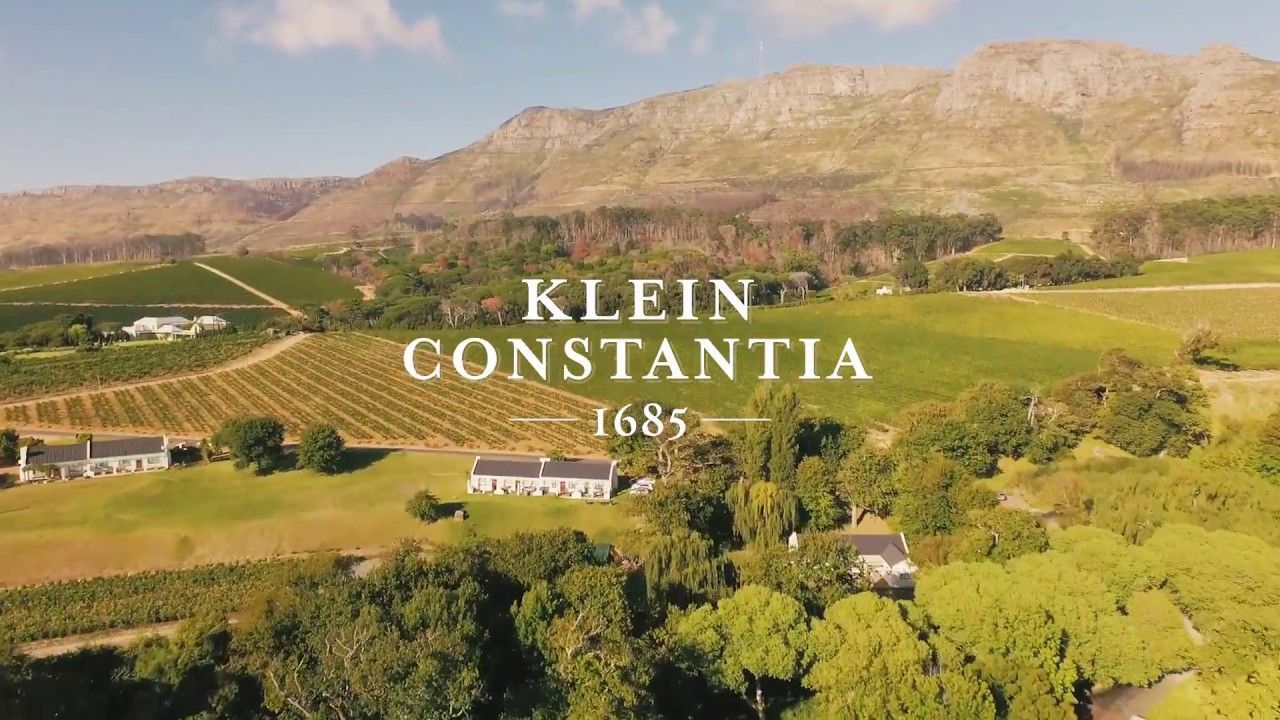
The estate recently opened its doors to international travel professionals and media during the International Luxury Travel Market (ILTM) Africa 2026, hosting delegates for a luncheon that offered an introduction to both its wines and its approach to hospitality. Speaking to VoyagesAfriq during the event, CEO Pascal Asin described an estate whose history is closely tied to the development of wine in South Africa and whose ambitions now extend well beyond the vineyard.
Klein Constantia traces its origins to 1685, when Dutch Governor Simon van der Stel established the original Constantia estate on the fertile slopes below the Constantiaberg Mountains. Over the centuries, the property became associated with Vin de Constance, the naturally sweet wine that helped establish Constantia’s reputation far beyond South Africa.
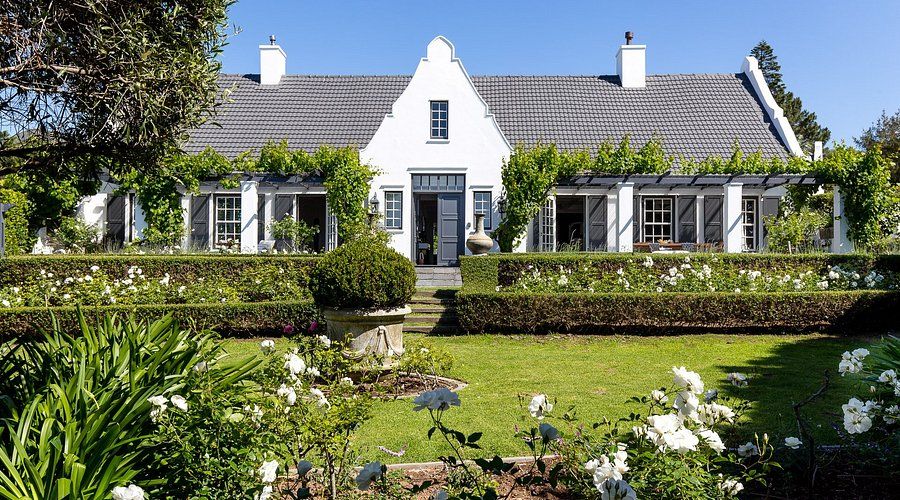
The wine was made from Muscat de Frontignan grapes and became particularly sought after in Europe during the 18th and 19th centuries. Its sweetness and ability to withstand long journeys by sea helped it reach influential tables across Europe.
Among its most famous historical admirers was Napoleon Bonaparte. During his exile on Saint Helena, the French emperor continued to drink Vin de Constance, adding another remarkable chapter to the wine’s already unusual history.
Asin said Napoleon had an allocation of the wine during his years in exile and drank it regularly. The story has since become an enduring part of Klein Constantia’s identity, linking a South African wine estate with one of the most recognisable figures in European history.
For Klein Constantia, however, the challenge today is not simply preserving that history. It is making the estate relevant to a new generation of international travellers.
Asin said the estate wants to introduce more visitors to a property that has been producing wine for more than 300 years but remains relatively unfamiliar to some international travellers.
“South Africa, I think, is becoming a place to be,” he said, pointing to the country’s growing appeal and the many experiences still to be discovered. For Klein Constantia, that means opening the estate to visitors who may know Cape Town but have not yet encountered the history and character of the Constantia Valley.
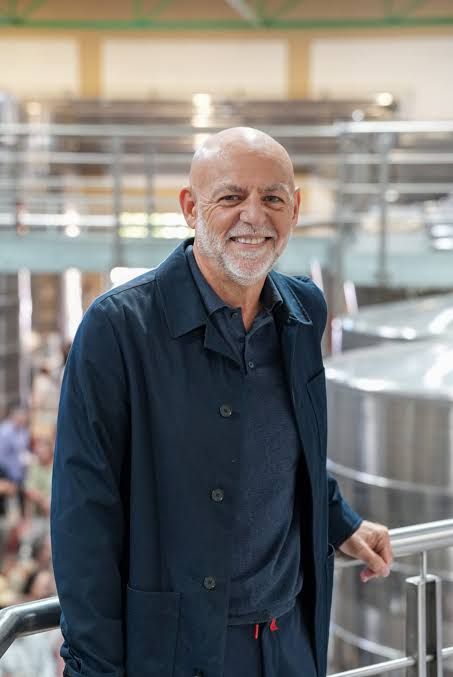
The visitor experience is built around more than wine. Klein Constantia offers vineyard and cellar experiences, tastings and hospitality designed to give guests a closer connection to the estate. Its restaurant, led by Chef Garth, forms another part of that experience, bringing food and wine together within the setting of the historic property.
Asin described hospitality as one of the estate’s central priorities, alongside its tasting room and tours of the farm. The aim, he said, is to create experiences for international travellers while continuing to welcome local visitors.
That approach reflects the broader appeal of the Constantia Valley, where wine, food, history and the natural landscape sit close to Cape Town’s urban centre. A visit to Klein Constantia can form part of a wider itinerary that includes the city’s beaches, mountains, cultural attractions and restaurants without requiring travellers to spend hours travelling between experiences.
The estate’s reputation is also supported by international recognition for its wines and its status as a wine tourism destination. Asin pointed to Klein Constantia’s inclusion among the world’s top 50 wine farms and its position as the highest-ranked African estate in that recognition.
Winemaking remains central to the property’s identity. Winemaker Matt Day has been with Klein Constantia for 18 years, and Asin said the estate’s ambition is to pursue excellence in its Sauvignon Blanc and Muscat de Frontignan production.
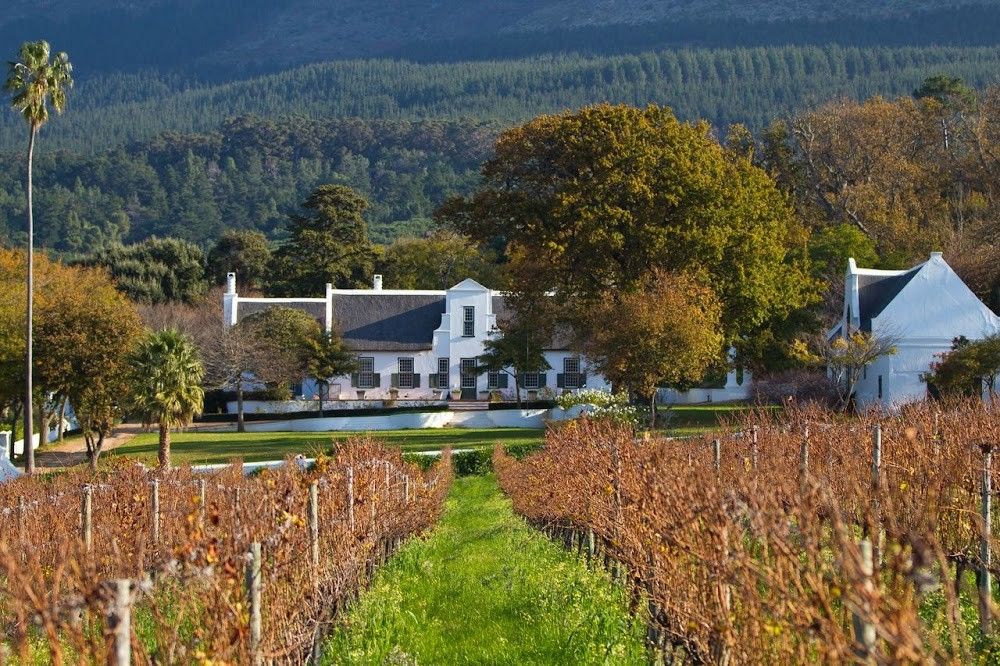
The focus on quality sits alongside an effort to manage the relationship between agriculture and the surrounding environment. Klein Constantia practises dry farming where possible, relying primarily on natural rainfall rather than extensive irrigation. The approach can encourage vines to develop deeper root systems while reducing dependence on additional water.
The estate is also surrounded by the distinctive environment of the Cape Floral Kingdom, one of the world’s notable biodiversity regions, making the relationship between the vineyards and the landscape particularly important.
For Asin, environmental responsibility is part of the wider philosophy of the estate rather than something separate from its winemaking.
But perhaps the most important part of the visitor experience is less tangible. Asin repeatedly returned to people and hospitality, describing the use of local chefs, local dishes and local staff as central to what Klein Constantia wants visitors to experience.
That emphasis gives the estate a role that extends beyond its historic wines. For international travellers arriving in Cape Town, Klein Constantia offers a meeting point between South Africa’s winemaking heritage and its contemporary tourism appeal.
More than three centuries after the first vines were planted in Constantia, the estate is still using wine as the starting point for a much broader story about place, food, nature and hospitality. Its history may draw visitors through the gates, but the experience Klein Constantia is building today is designed to give them reasons to stay.