What Americans Should Know Before Visiting Finland begins with a simple adjustment: Finland is easy to travel through, but it does not always operate according to the social habits many American visitors bring with them.
For Americans arriving for the first time, the differences are rarely dramatic. There is no great cultural wall to climb, and English is widely understood in many tourist-facing situations. Finland is a modern European country with reliable infrastructure, efficient public services and a travel culture that can feel remarkably straightforward. Yet some of the things that make a Finnish trip memorable are precisely the things that can leave an American visitor wondering whether they have missed an unwritten rule.
The first surprise can be the silence.
In Finland, silence is not necessarily uncomfortable. A quiet train carriage, a pause in conversation or a person sitting alone in a cafe does not automatically signal that something is wrong. Finns can be comfortable sharing space without filling every moment with conversation. For an American visitor accustomed to casual exchanges with strangers, particularly in shops, elevators, taxis or waiting areas, this can feel noticeably different.
That difference becomes more apparent in social situations. Small talk is generally less central to everyday interaction in Finland than it is in much of the United States. A cashier may not ask how your day is going. A stranger on public transport is unlikely to start a conversation simply because you are sitting next to each other. A quiet response does not necessarily mean someone is unfriendly.
For travelers, understanding this can change the way Finland feels. What initially looks like distance may simply be a different idea of personal space and social comfort. Finnish communication tends to place value on saying what needs to be said rather than speaking simply to avoid silence.
That does not mean Finns are unwilling to talk. Spend time with people in a setting where conversation naturally develops and the experience can be quite different. The important distinction is that conversation is often expected to have a reason rather than being used automatically to fill a quiet moment.
Why Finnish People Avoid Small Talk With Foreigners in Finland
Americans may also notice that personal space is taken seriously. Queues tend to have an orderly rhythm, public transport has its own quiet etiquette, and people generally avoid unnecessary intrusion into another person’s space. The same principle applies to nature. Finland’s forests, lakes and outdoor areas are deeply woven into everyday life, but visitors should not assume that being in nature means every behavior is acceptable. Local rules, marked paths, private property and environmental protection still matter.
Another adjustment concerns time. Finland has a reputation for punctuality, and visitors may notice that appointments, trains and other scheduled activities are treated with a certain seriousness. Arriving late may be interpreted differently depending on the situation, but as a general travel habit, giving yourself enough time is sensible.
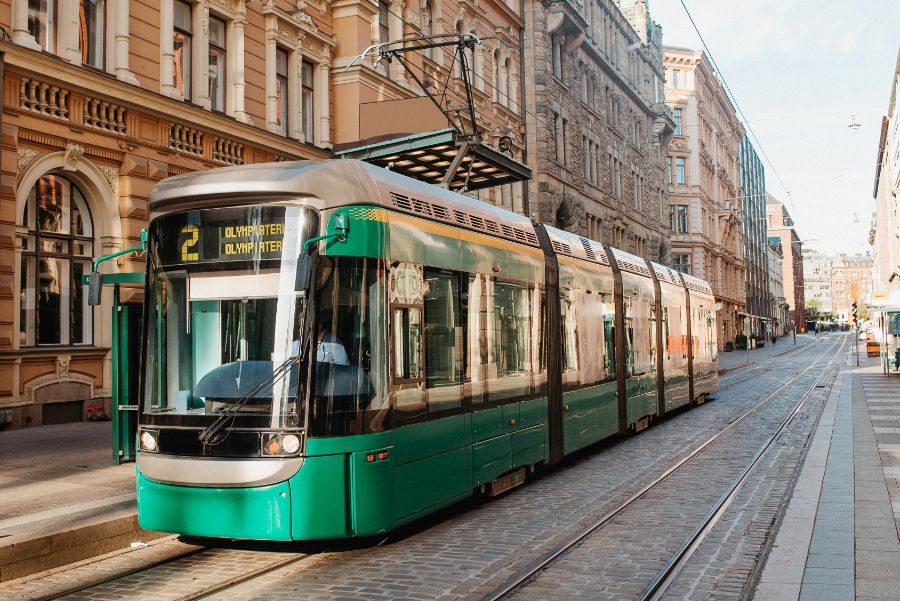
Public transport is one area where this becomes particularly useful. Finland can be a comfortable country to explore without a car, especially in and around its larger cities. Helsinki provides the most extensive urban transport network, while trains and buses connect many other parts of the country. Travelers who are used to driving almost everywhere in the United States may find it refreshing to move between city centers without depending entirely on a private vehicle.
But Finland is not one uniform travel experience. Helsinki is very different from Lapland, and Turku, Tampere, Oulu, Lahti and smaller Finnish towns each have their own character. A trip built entirely around Helsinki will show visitors one side of the country. Moving beyond the capital can reveal another, particularly for travelers interested in everyday Finnish life rather than only major attractions.
The seasons also deserve more attention than they often receive.
An American visitor planning a Finnish trip should not think of “Finland” as having one standard climate. Winter in Lapland can be dramatically different from winter in southern Finland. Daylight also changes considerably through the year. In the northern parts of the country, winter brings very short days and long periods of darkness, while summer produces exceptionally long daylight hours.
That affects how a trip feels. A winter visit is not simply a colder version of a summer holiday. Travelers need to think about clothing, daylight, outdoor activities and the amount of time they are likely to spend outside. In summer, the opposite can happen: long daylight can make it surprisingly easy to lose track of time.
For Americans traveling to Lapland, the cold deserves practical respect rather than fear. Good layers, suitable footwear and proper winter clothing matter far more than trying to endure the weather in ordinary city clothes. The same is true when visiting places associated with winter tourism. The landscape may look beautiful in photographs, but the conditions are real.
One of Finland’s biggest attractions is also one of its most ordinary features: the sauna.
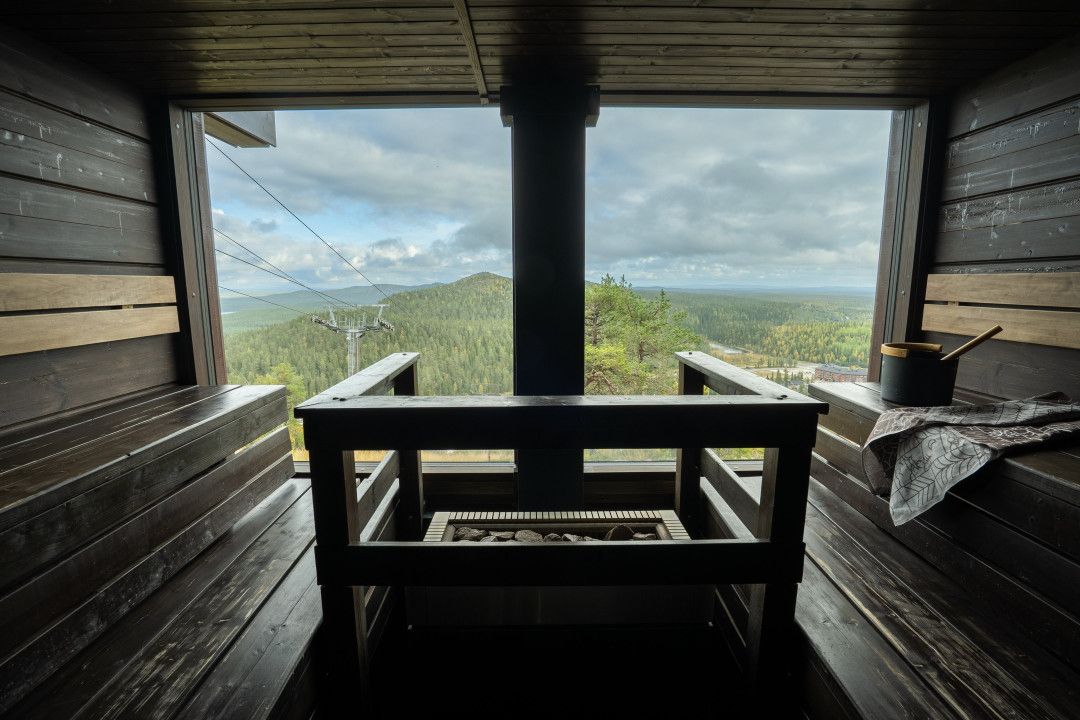
Sauna is not simply a spa treatment imported for tourists. It is a deeply established part of Finnish culture, and visitors may encounter it in hotels, homes, public facilities and holiday accommodation. First-time visitors sometimes approach the experience with uncertainty because sauna customs can differ from what they have encountered elsewhere. The best approach is to pay attention to the rules of the particular sauna, ask when unsure and avoid assuming that every sauna operates in exactly the same way.

Food can produce smaller surprises. Finnish cuisine is shaped by the country’s climate, forests, lakes and northern location. Visitors may encounter rye bread, fish, potatoes, berries, mushrooms and other ingredients that are familiar in some form but presented differently from what they know at home. Finnish food does not necessarily arrive with the kind of theatrical presentation associated with some major culinary destinations. Its character is often found in simplicity and local ingredients.
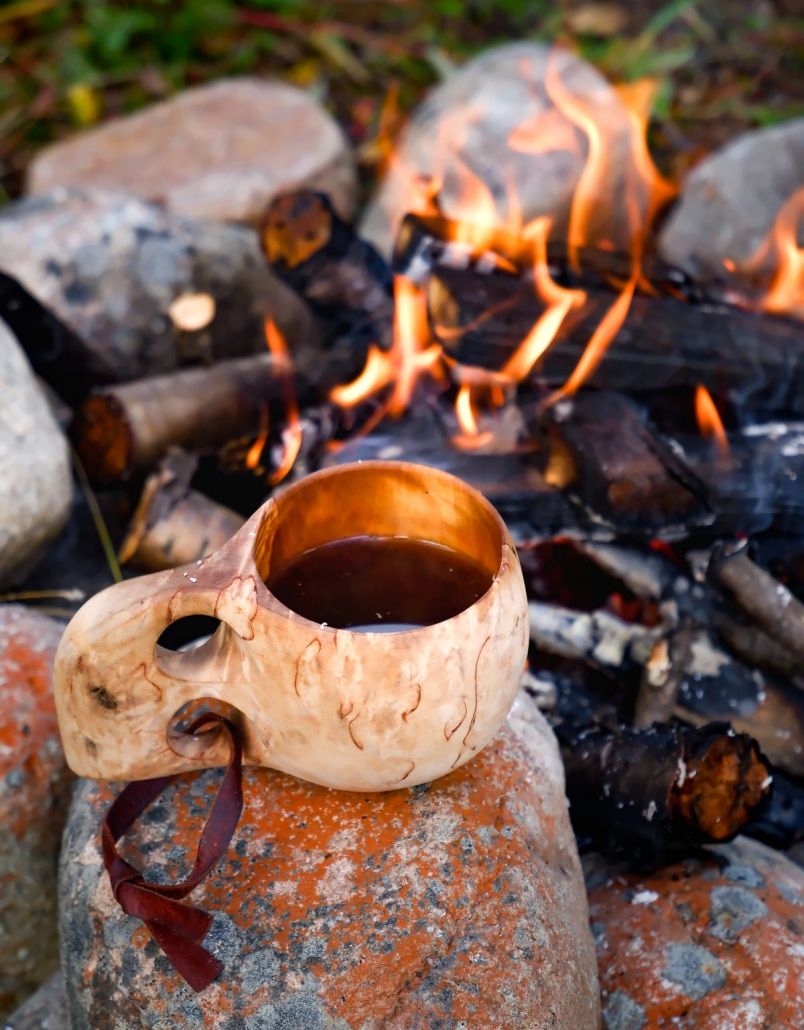
Coffee is another part of everyday Finnish life that American travelers may notice. Cafes are common, and coffee plays a significant role in social and daily routines. A visitor who expects every cafe experience to resemble an American coffee chain may find the atmosphere more restrained. That is part of the difference.
Money can also require a small mental adjustment. Finland uses the euro, not the US dollar, and travelers should pay attention to current exchange rates and their bank’s foreign transaction policies. Card payments are widely used, but it is still sensible to understand how your particular payment card works abroad and to have a backup payment method.
Tipping is another area where American habits do not always transfer neatly. Finland does not have the same tipping culture as the United States. In many ordinary situations, a tip is not automatically expected in the way American travelers may be accustomed to. Visitors should look at the specific situation rather than assuming that every meal or service requires the same percentage-based calculation used in the United States.
Language is unlikely to be the barrier some Americans might expect. Finnish is the national language, alongside Swedish as another official language, and travelers will encounter English frequently, particularly in places accustomed to international visitors. Still, learning a few Finnish words can change the tone of an interaction. “Kiitos”, meaning thank you, is an easy place to start.
Americans should also resist the assumption that everyone in Finland wants to practice English simply because they can speak it. A traveler may receive excellent service in English while still benefiting from showing some awareness of the local language and customs. Even a basic greeting or thank you can signal respect.
One of the most important practical considerations before any international trip is checking the current entry requirements. These can change, and travelers should not rely on old blog posts, social media videos or information from friends who visited several years ago. US citizens should check current Finnish and European entry rules before departure, including passport requirements and any authorization requirements that may apply at the time of travel.
The same principle applies to travel insurance, health coverage and driving requirements. A US driver’s license does not mean every rental-car situation will work exactly as it does at home. Anyone planning to drive should check the requirements of the rental company and the relevant Finnish rules before arriving.
There is also a broader cultural point that can be easy to miss when Finland is presented only through images of saunas, forests, reindeer and the Northern Lights. Finland is not a permanent winter postcard. It is a functioning European society where people work, study, commute, shop, raise families and live ordinary lives. The country’s appeal becomes more interesting when visitors look beyond the familiar tourist imagery.
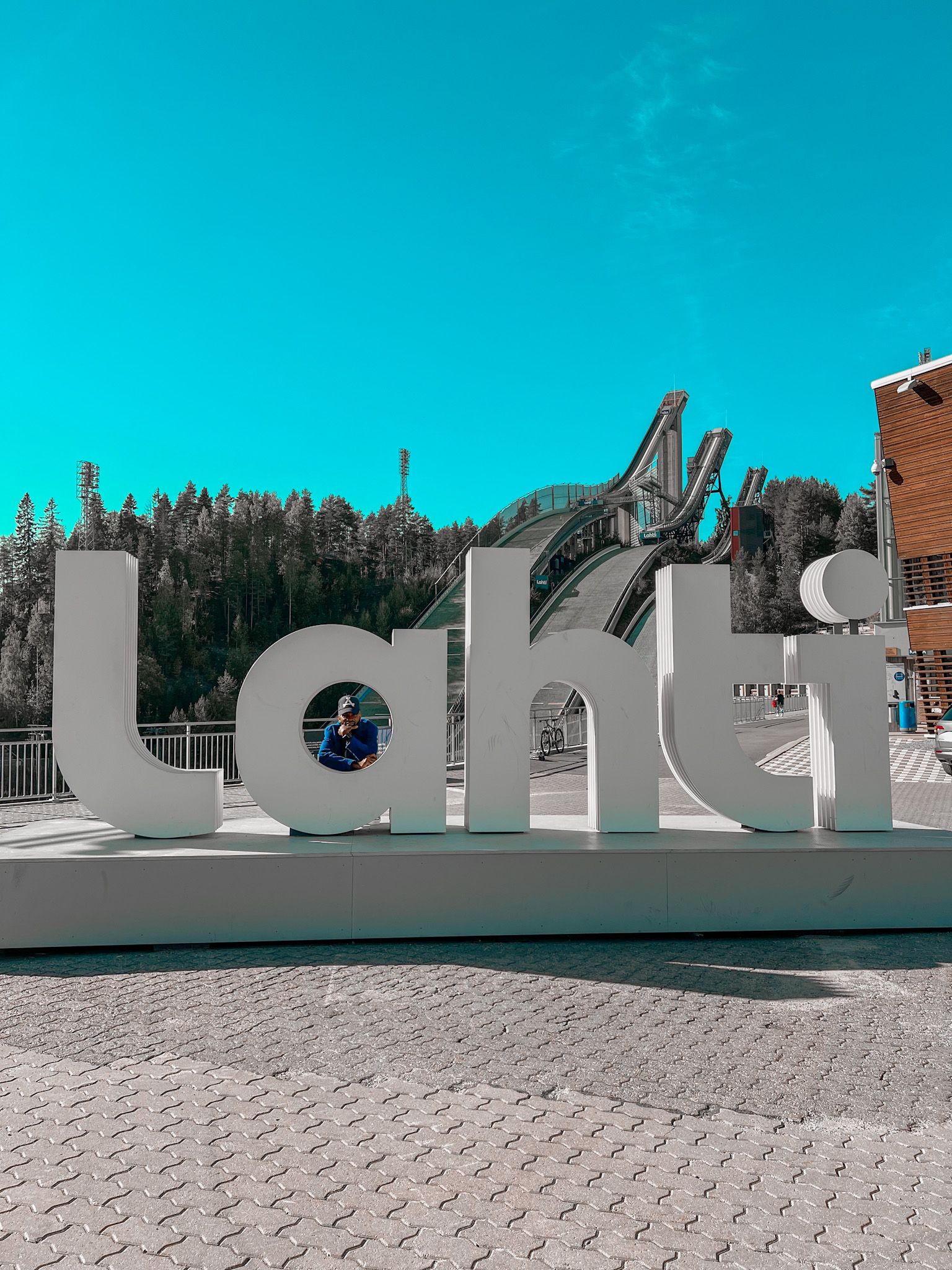
That is particularly true in cities outside Helsinki. Travelers who spend time in places such as Tampere, Oulu or Lahti can see a side of Finland that is less dependent on the international tourist image. These cities offer their own urban life, cultural institutions, food scenes and relationship with the surrounding landscape.
Americans may also find that Finland encourages a different relationship with nature. Lakes and forests are not necessarily destinations requiring elaborate planning. For many Finns, getting outside is part of ordinary life. Visitors should nevertheless remember that access to nature comes with responsibilities. Finland’s well-known tradition of public access to nature does not give travelers unlimited permission to ignore private property, local restrictions or environmental rules.
The country’s reputation for safety can sometimes lead visitors to become careless. Finland is generally considered a safe destination, but normal travel awareness still applies. Travelers should keep track of belongings, pay attention in crowded areas and use the same judgment they would use anywhere else.
Perhaps the biggest lesson for an American visitor is not to measure Finland constantly against the United States. A train that feels quieter, a restaurant interaction that feels less conversational or a stranger who does not make small talk is not necessarily a better or worse version of something familiar. It is simply Finnish.
That is what makes the country more interesting once the first impressions settle. Finland does not always explain itself immediately to visitors. The rewards often come from paying attention to ordinary details: how people use public spaces, how cities meet nature, how silence works in conversation, how the seasons shape daily life and how much of Finnish culture exists outside the tourist attractions.
For Americans, the practical side of visiting Finland is relatively straightforward when the basics are handled before departure. The more important preparation is cultural. Arrive expecting efficiency but also quiet. Expect English to be useful but do not assume it is the local language. Expect modern cities but make time for nature. Expect winter to be serious if you travel north, and expect summer daylight to change your sense of time. Most of all, expect Finland to operate according to its own social rhythm.
The best preparation may therefore be less about learning a long list of rules and more about arriving observant. Finland is a country that becomes easier to understand when visitors stop expecting it to behave like home.