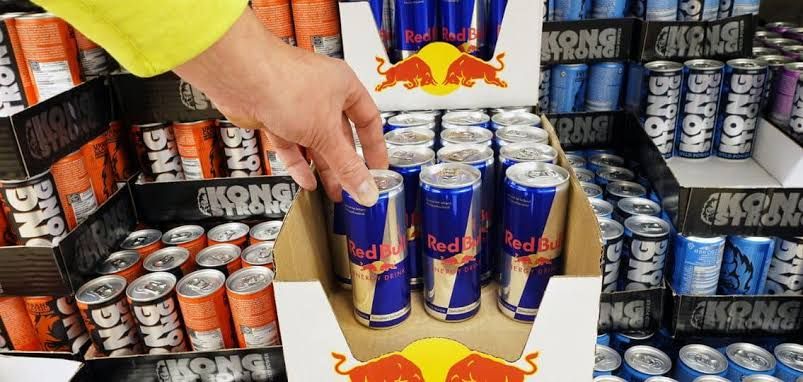
Energy drinks are a regular part of life for six in ten young people across the Nordic countries, with more than one in five consuming them every day, according to a new study funded by the Nordic Council of Ministers.
The findings are based on responses from 4,916 young people in Finland, Sweden, Denmark, Norway and Iceland. The research examined how often teenagers and young adults consume energy drinks, when they first began drinking them and why they choose them over other sources of caffeine.
The age at which consumption begins is particularly notable in Finland. One in four Finnish respondents said they had started drinking energy drinks before the age of 12. Another third said they began at 12 or 13.
Across the Nordic region, 39 per cent of respondents said they had started consuming energy drinks by the age of 13. Only 16 per cent said they never drink them.
Finnish respondents also stood out in their consumption of coffee and iced coffee, suggesting that caffeine consumption among young people extends beyond energy drinks.
The study found signs that frequent consumption has become difficult for some young people to manage. Nearly half of respondents said there had been times when they felt they could not get through the day without an energy drink. Another 15 per cent reported experiencing discomfort when they did not consume one.
Among respondents aged 15 to 19, 30 per cent reported health effects they associated with energy drinks. These included sleep problems, heart palpitations and dizziness. At the same time, one in three said they wanted to reduce how much they consume.
Taste was the most commonly reported reason for drinking energy drinks, cited by 73 per cent of respondents. Energy was another major factor, with 51 per cent saying they drank them for that reason, while 34 per cent said they used them to stay awake. Boys reported drinking energy drinks more frequently than girls.
The differences between Nordic countries were also significant. Sweden recorded the highest levels of consumption in the study, with 28 per cent of respondents saying they drank energy drinks every day and 75 per cent saying they consumed them at least once a week.
Denmark recorded the lowest reported consumption. Fourteen per cent of respondents there said they drank energy drinks daily, while 43 per cent said they consumed them weekly.
In Norway, 18 per cent reported daily consumption and slightly more than half said they drank energy drinks at least once a week. Iceland recorded a weekly consumption rate of 46 per cent, although the researchers cautioned that its results should be interpreted carefully because the survey sample was smaller.
The Nordic Council of Ministers Secretary General Karen Ellemann described the findings as a warning about the extent to which young people are relying on energy drinks in their everyday lives. She also connected the consumption patterns with wider concerns surrounding mental health and education.
Nordic health officials warn of rising energy drinks dependence among young people
The research was led by the Swedish Food Agency in cooperation with public authorities and organisations from the other Nordic countries. Rather than ending with the survey, the project is set to move into a second phase in autumn 2026, when youth panels will be involved in developing proposals aimed at reducing consumption.
Policy recommendations from the wider project are expected in summer 2027. For now, the survey provides a detailed picture of how common energy drinks have become among Nordic young people, while also showing that consumption patterns vary considerably between countries and that, for some teenagers, the habit begins surprisingly early.