Lahti’s micro-traffic permit has reduced problems caused by electric scooters being left in unsuitable places, according to the city, with residents reporting fewer disruptions since the new rules came into force.
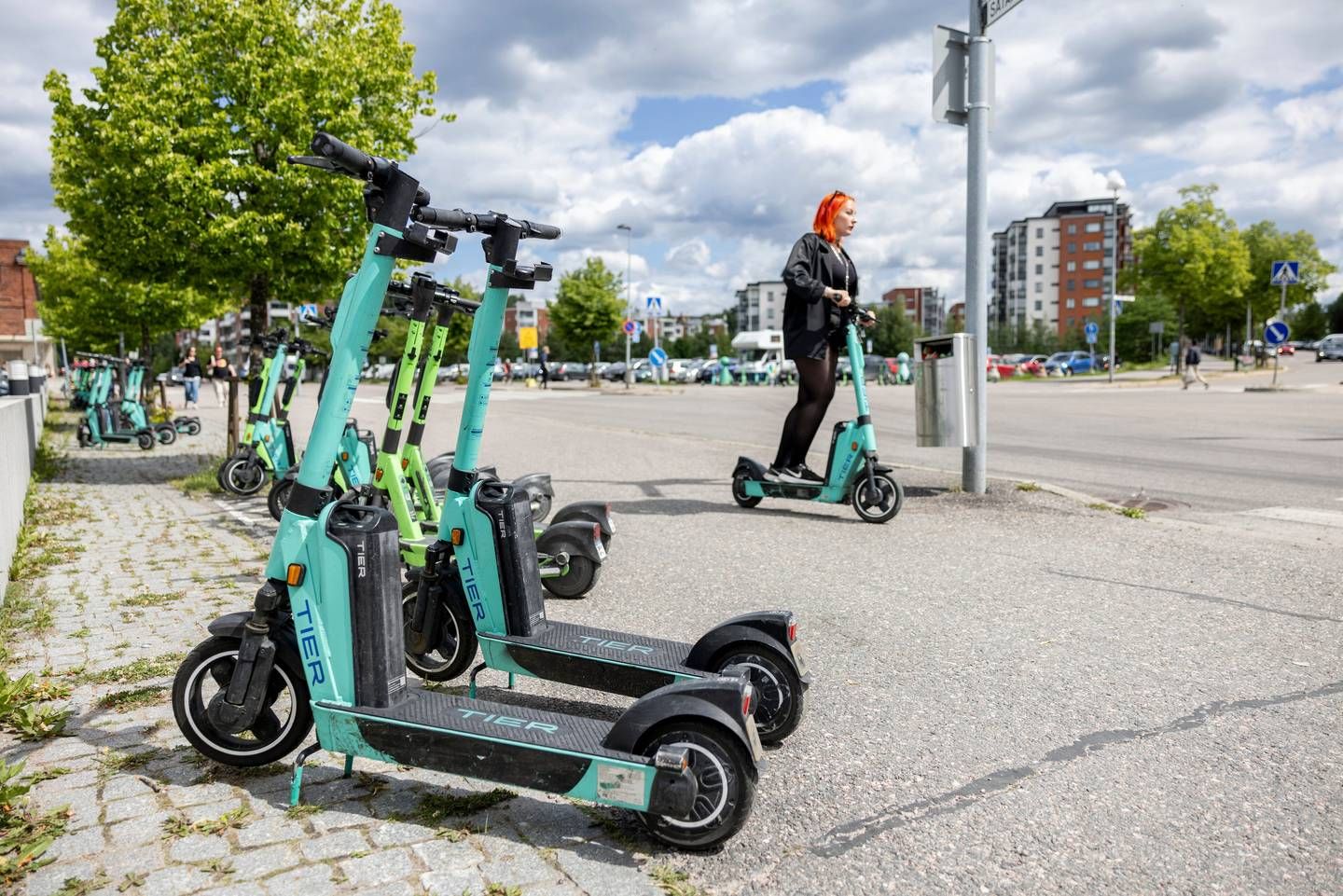
The city introduced the micro-transport permit at the beginning of the year under the new Transport Services Act. One of its main purposes is to control where electric scooter operators can allow their vehicles to be parked.
The early experience has been positive. Lahti has received significantly less feedback from residents about electric scooters since the permit was introduced, says Juhana Polojarvi, a traffic system engineer with the City of Lahti.
“In general, the situation has looked good,” Polojarvi said.
The permit gives the city greater influence over how operators manage parking and where scooters can be left. The change comes after growing concerns in many cities about scooters obstructing pavements and other public spaces when users leave them wherever their journeys end.
Lahti is not planning a major overhaul of its current system, but some adjustments are expected for the next season. The city is considering small changes to some of the designated parking areas, including moving some locations slightly.
Officials may also ask operators to reduce the size of some return areas. Under the current arrangement, scooters can also be left next to the designated parking area, a detail the city is considering as it reviews how the system works in practice.
In the spring, Lahti designated 95 spaces for electric scooter parking across the city. The aim was to give users clear places to leave scooters while reducing the extent to which they occupy pedestrian areas or other spaces where they can cause inconvenience.
The reduction in resident feedback suggests that the new approach has made a noticeable difference, although the city is still assessing how the parking arrangements should be refined before the next season.
For Lahti, the issue is therefore no longer simply about whether electric scooters should be available, but how they can operate alongside pedestrians, cyclists and other forms of transport without creating unnecessary problems in public spaces.
The city’s decision to make smaller adjustments rather than introduce a major overhaul also indicates that officials consider the current permit system to be working reasonably well. The next season will provide another opportunity to see whether the revised parking arrangements can maintain that improvement as scooter use continues.