EU visa restrictions on Palestinian officials have become a diplomatic issue ahead of the United Nations General Assembly in New York, with the European Union urging the United States to reconsider its decision to deny entry visas to members of the Palestinian delegation for a second consecutive year.
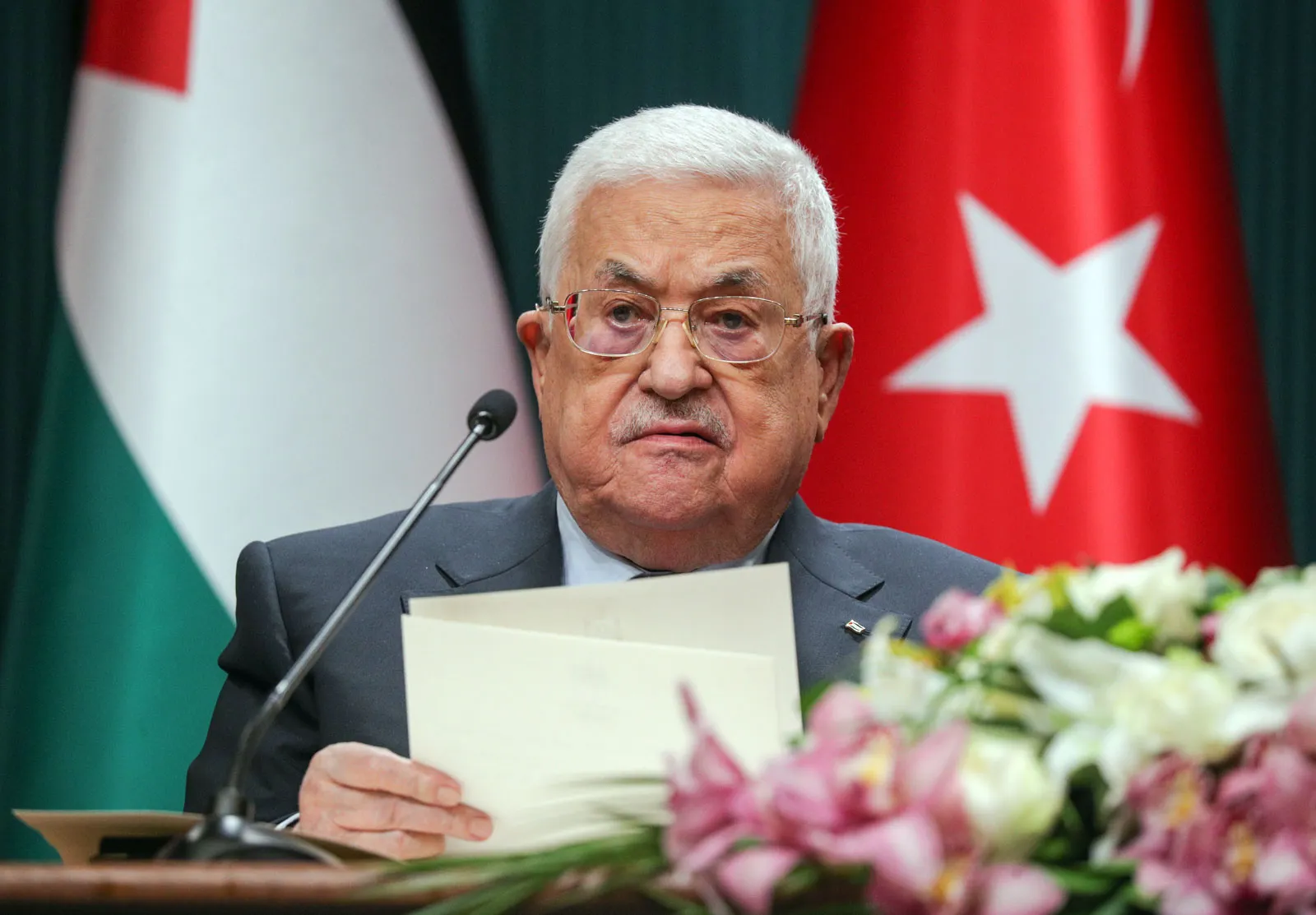
The dispute comes as world leaders gather in New York for the 81st session of the General Assembly. Palestinian President Mahmoud Abbas is due to address the assembly through a prerecorded video after the United States refused him permission to enter the country.
Anouar El Anouni, a spokesman for the EU’s diplomatic service, said on Saturday that the bloc regretted the continued restrictions and called on Washington to review them. He pointed to the United States’ role as host of the United Nations and its agreements with the organisation.
“In light of its existing headquarters agreements with the UN and its obligations as host state, we urge the United States for this decision to be reconsidered,” El Anouni said.
The issue has already prompted action at the General Assembly. On September 17, member states voted to allow Abbas to participate remotely, providing a way for him to deliver his address despite being unable to travel to New York. The arrangement follows a similar decision made during last year’s General Assembly after Washington also prevented Abbas from attending in person.
The United States says the visa restrictions are a response to actions by the Palestinian Authority and the Palestine Liberation Organization that Washington considers inconsistent with commitments related to the peace process. The State Department has cited Palestinian efforts to pursue recognition through international institutions, legal proceedings involving Israel and other actions that it says undermine prospects for peace.
The restrictions also form part of a broader US policy affecting people who travel on documents issued or endorsed by the Palestinian Authority. Current State Department guidance says visa issuance to people using those documents is suspended across immigrant and non-immigrant categories, although exceptions exist, including for certain diplomatic and official visas.
For Washington, the measures are intended to put pressure on Palestinian officials over what it describes as failures to meet commitments and changes needed to support negotiations with Israel. The Palestinian side has rejected the restrictions, while the EU has focused its criticism on the practical consequences for Palestine’s participation in UN proceedings.
UN Secretary-General Antonio Guterres has also expressed concern about the decision, saying it could affect the ability of the State of Palestine to participate fully in the work of the United Nations.
The dispute is particularly significant because the General Assembly is one of the principal international forums in which Palestinian representatives raise questions surrounding statehood, the Israeli-Palestinian conflict and the future of Gaza and the occupied West Bank.
Abbas is expected to use his address to press the case for Palestinian statehood and a two-state settlement, while also addressing conditions facing Palestinians in Gaza and the West Bank. His inability to appear in person means that the speech will instead be delivered through a recording.
The EU’s position remains centred on a negotiated two-state solution, with Israel and Palestine living alongside each other within recognised borders and in accordance with international law and relevant UN resolutions. The bloc’s intervention over the visas therefore places the United States and the EU at odds over how Palestinian participation in the UN should be handled, even as both remain involved in wider diplomatic efforts surrounding the conflict.
The immediate disagreement is unlikely to be resolved by Abbas’s remote appearance. But the episode has once again placed the question of access to the UN at the centre of a broader dispute over Palestinian diplomatic representation, international recognition and the role of Washington in managing access to an organisation it hosts.