Trump has barred CNN, MS NOW and Politico from the White House, accusing the three news organizations of publishing what he calls “fake news” about his administration and warning that other media outlets could face similar restrictions.
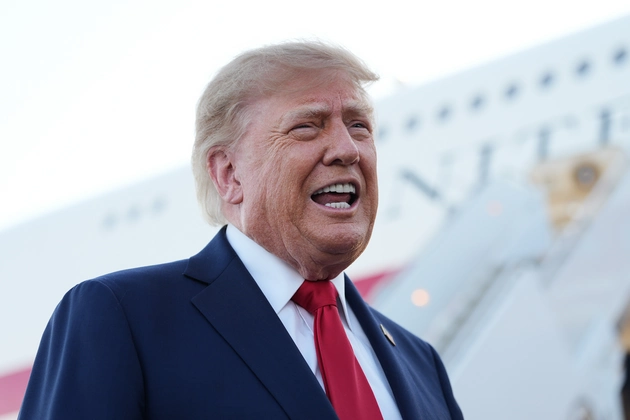
The president announced the move on September 18, saying the ban was effective immediately. By the following morning, reporters from the three organizations said they had been denied entry to the White House, with press credentials revoked or confiscated.
Trump made the announcement in a post on Truth Social, arguing that news organizations should not be allowed to repeatedly publish what he described as “fiction and lies” about the president, his administration or the United States.
The president did not identify a specific report that prompted the decision. Instead, he described the action as a response to what he considers a broader pattern of coverage by the three outlets. He also indicated that the list of restricted organizations could grow.
Speaking to reporters in the Oval Office, Trump defended the decision when questioned about the constitutional responsibilities of the presidency and whether the move amounted to pressure on the press.
“You get so tired of reading and seeing fake news,” Trump said, while suggesting that other outlets could eventually be included. He said the country needed “honest news” and rejected the suggestion that he was trying to intimidate journalists.
Trump also criticized The New York Times and The Washington Post and indicated that other media organizations could face restrictions. His comments extend a long-running confrontation with news organizations whose coverage he considers hostile to his administration.
One of Trump’s specific complaints concerned Politico. He accused the Biden administration of spending $8 million on subscriptions to the publication, describing the payments as an improper effort to support the organization. The White House has not provided evidence that the subscriptions constituted an illegal payment, while reporting from The Washington Post said Trump later canceled the subscriptions.
The targeted news organizations have rejected the administration’s characterization of their work and defended their right to cover the White House independently. CNN said it stood behind its White House team and argued that journalists have a constitutional right to report without government interference. Politico likewise said it would continue covering the administration and defend its First Amendment rights.
The White House Correspondents‘ Association also opposed the restrictions, saying press access should not depend on whether a president approves of a news organization’s reporting or the questions its journalists ask. First Amendment advocates have similarly argued that the government cannot selectively remove journalists from access to the White House because of their editorial coverage.
The dispute is not Trump’s first attempt to restrict access for media organizations. During his current term, his administration has already fought with the Associated Press over its refusal to adopt the administration’s preferred terminology for the Gulf of Mexico. The AP challenged the restrictions in court and won at the district court level, although an appeals court later stayed much of that ruling while the case continued.
Trump also clashed with individual journalists during his first administration. CNN reporter Jim Acosta was temporarily barred from the White House after a dispute with the president, while Playboy reporter Brian Karem was also excluded before being allowed to return following legal action. Those disputes raised questions about whether presidential administrations can deny press access because of the content of a journalist’s work.
The latest restrictions therefore go beyond another public dispute between Trump and the media. They directly affect the ability of three major news organizations to maintain reporters inside the White House complex, where journalists routinely cover presidential events, briefings and official activity.
On September 19, that restriction moved from a presidential announcement to an enforced policy. Reporters from CNN, MS NOW and Politico were turned away from the White House, confirming that the administration was acting on Trump’s stated ban.
The affected organizations have said they intend to continue reporting on the Trump administration despite being denied physical access. The confrontation is now likely to become both a media-access dispute and a legal battle over the limits of presidential authority and the constitutional protection of the press.