Warren Buffett is stepping down as chairman of Berkshire Hathaway, ending a tenure in the role that began in 1970 and marked one of the longest leadership eras in modern corporate history.
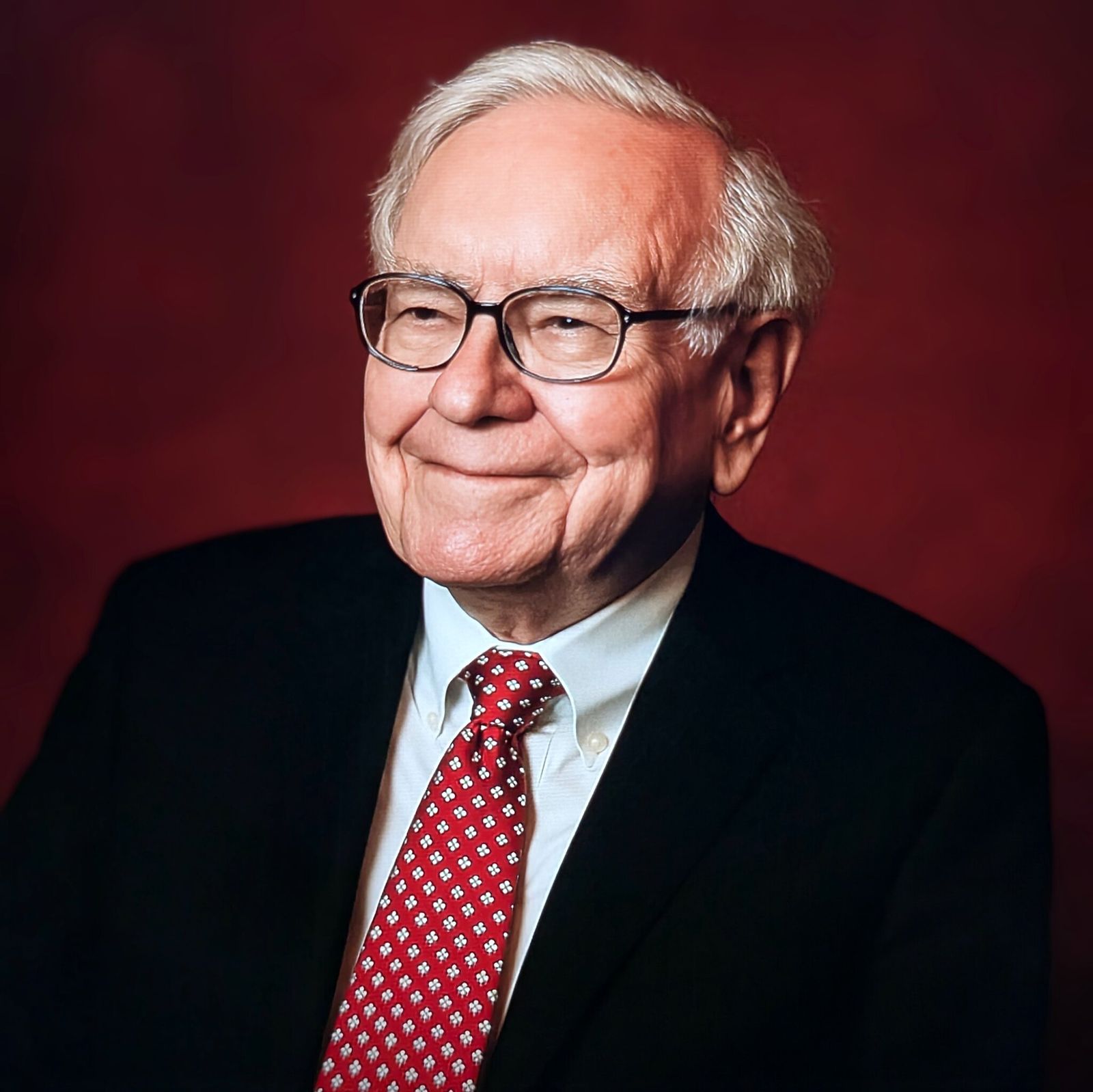
Buffett, 96, will remain on Berkshire Hathaway’s board as chairman emeritus, while his son Howard Buffett, who has served as a company director since 1993, will assume the chairmanship.
The change comes less than a year after Buffett ended his decades-long run as Berkshire Hathaway’s chief executive officer. Greg Abel succeeded him as CEO, taking responsibility for the day-to-day leadership of the conglomerate that Buffett transformed from a struggling textile manufacturer into a sprawling collection of businesses and investments.
Buffett said in a letter to Berkshire shareholders that his decision to step aside was influenced partly by Abel’s performance. He wrote that Abel had exceeded his expectations, giving him greater confidence in the company’s future under its new leadership.
Age was also a factor. Buffett made a pointed reference to the passage of time in his letter, comparing himself with his one-year-old great-grandson.
“My great-grandson, who just turned one, is moving a bit faster than I am these days,” Buffett wrote.
He followed that observation with a line that has become closely associated with his approach to aging and succession: “Father Time always wins.”
Buffett also struck a reflective tone as he prepared to move away from the chairmanship, saying he had been fortunate to witness Berkshire reach a stage where he felt increasingly confident about its future.
“He has, however, been generous with me,” Buffett wrote of Father Time. “He has given me the opportunity to see Berkshire reach a point where I am more confident than ever about what lies ahead.”
For Berkshire shareholders, the leadership change represents another significant step in the transition away from the Buffett era. Buffett became synonymous with the company after taking control in the 1960s and gradually reshaping it through acquisitions, investments and a disciplined approach to allocating capital.
His investment philosophy, commonly described as value investing, focused on buying businesses or securities that he believed were worth more than their market price and holding them for the long term. Under his leadership, Berkshire became one of the world’s most valuable companies and Buffett became known internationally as the “Oracle of Omaha.”
Berkshire Hathaway’s origins were considerably more modest. The company began as a textile manufacturer before Buffett took control and began transforming it into a conglomerate in the mid-1960s. The company eventually came to own or hold major interests in businesses across industries, while its insurance operations became a central part of the wider group.
Buffett’s longtime partnership with Charlie Munger, Berkshire’s former vice chairman, also played a defining role in the company’s rise. Munger died in 2023, leaving Buffett as the dominant figure associated with Berkshire’s investment culture and corporate identity.
Buffett’s wealth has grown alongside Berkshire’s rise. Bloomberg’s Billionaires Index puts his net worth at about $145 billion, making him the world’s 10th richest person. He has also pledged much of his fortune to philanthropy and has become one of the largest individual donors in modern history.
The market reaction to the latest leadership change was limited, with Berkshire shares little changed following news of Buffett’s decision to leave the chairman’s position.
His departure from the chairmanship does not mark a complete break with Berkshire. Buffett will continue to sit on the board as chairman emeritus, while Howard Buffett takes the formal chairmanship and Greg Abel continues as chief executive.
The structure reflects a transition that has been developing for years rather than a sudden change in direction. Buffett is leaving the company’s top leadership positions, but his presence on the board means Berkshire will continue to have direct access to the person whose investment philosophy and decisions shaped it for more than half a century.
For investors, the significance of the moment lies as much in what remains as in what changes. Buffett is no longer Berkshire Hathaway’s chairman or CEO, but the culture, businesses and investment framework he built remain at the center of the company he spent decades creating.