Mel B’s defamation lawsuit has been dismissed by a Florida federal judge after the court found that the singer did not have sufficient connections to the state for the case to proceed there. The ruling ends the current Florida case but does not prevent Stephen Belafonte from pursuing his claims in another jurisdiction.
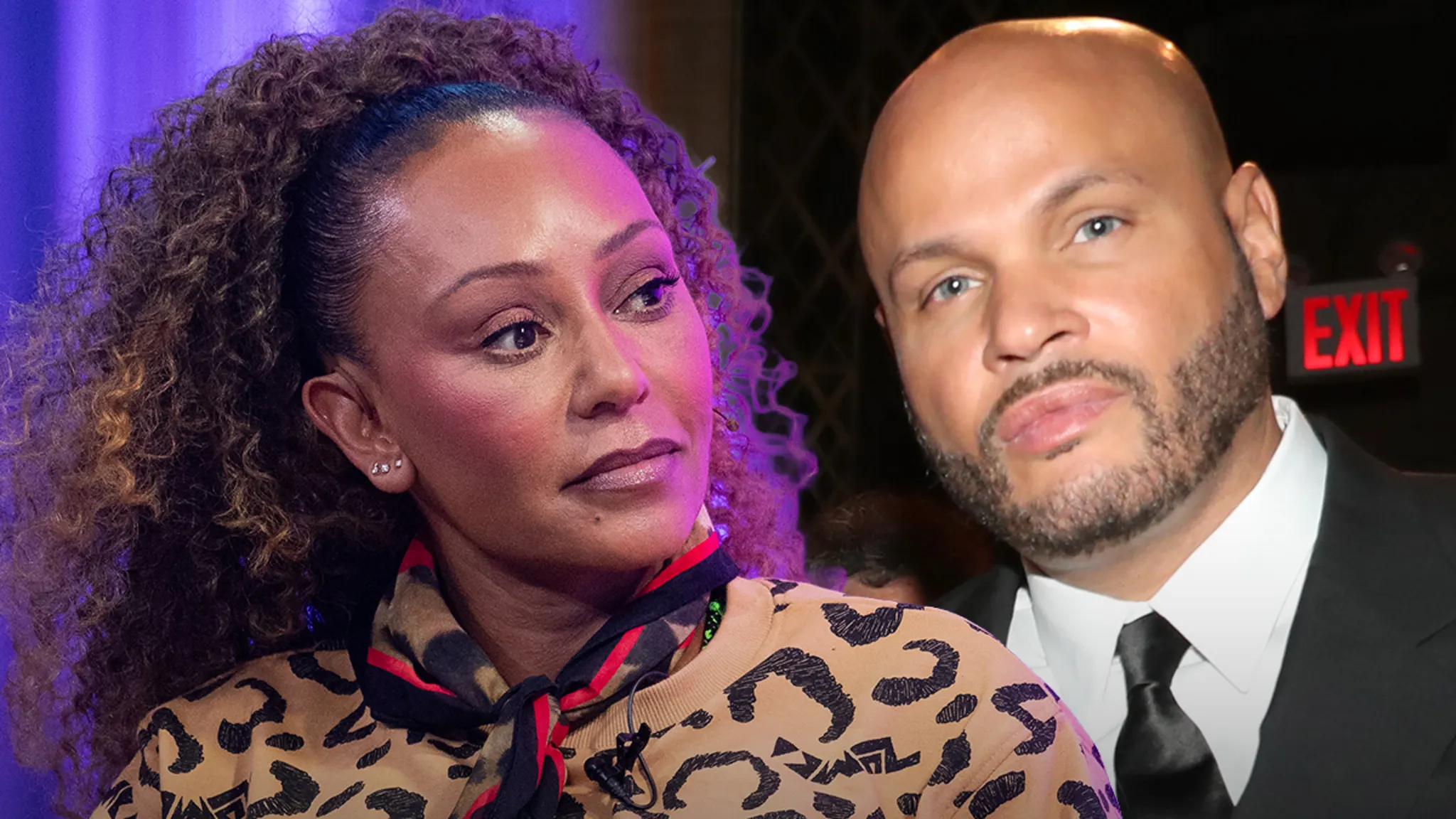
Belafonte, Mel B’s former husband, filed the lawsuit in Florida in May 2024, accusing the former Spice Girls singer of making false statements about him that damaged his reputation and affected his business interests. The case was brought against Melanie Brown, Mel B’s legal name, in the U.S. District Court for the Southern District of Florida. Court records identify the case as Belafonte v. Brown.
The dispute centred largely on allegations Mel B made about their marriage and later repeated publicly. In her 2018 memoir, “Brutally Honest,” Brown described what she said was repeated physical and emotional abuse during her relationship with Belafonte. Belafonte has consistently denied abusing her and has disputed the allegations.
One of the incidents challenged by Belafonte involved an alleged confrontation in 2012. Brown said in her account that Belafonte struck her after she flirted with singer Usher. Belafonte has described that allegation as a “complete fabrication.”
Belafonte argued that Brown’s statements had reached people in Florida and harmed his reputation and business opportunities there. The court, however, concluded that those circumstances did not establish the necessary personal jurisdiction over Brown.
The jurisdiction issue was central to the ruling. Rather than deciding whether Brown’s statements were true, false or legally defamatory, the court considered whether Florida was an appropriate place for Belafonte to bring the claims against her. A legal analysis of the September 9 ruling reported that U.S. District Judge Darrin P. Gayles found no allegations that Brown had promoted her memoir in Florida or made the allegedly defamatory statements while she was in the state.
That distinction is important because the dismissal does not amount to a judicial finding that the allegations made by either side were proven. The court did not reach the underlying merits of Belafonte’s defamation claims.
The case was dismissed without prejudice. That means Belafonte is not barred by this particular ruling from attempting to bring the claims in another court that has jurisdiction over Brown and the dispute. The dismissal therefore resolves the Florida proceeding without necessarily ending the wider legal dispute.
Belafonte’s lawsuit was filed several years after the publication of Brown’s memoir and sought damages over what he described as a continuing campaign to damage his reputation. Reporting at the time of the filing said he was seeking $5 million and challenging allegations that included claims of abuse during the couple’s marriage.
The former couple’s relationship has already generated several legal disputes in the United States and Britain. In a separate 2026 case in England, Belafonte brought a libel claim against the publisher of The Sun over an article concerning allegations made about him by Brown. The English High Court considered the meaning conveyed by the article in February 2026, illustrating that the wider legal conflict has extended beyond the Florida proceedings.
For the Florida lawsuit, however, the immediate result is procedural rather than a ruling on the competing accounts of the former couple’s marriage. Mel B has succeeded in having the case removed from the Florida court on jurisdictional grounds, while Belafonte retains the option of seeking another forum for his defamation claims.
The latest ruling therefore leaves the central allegations unresolved. The Florida court has decided where the dispute cannot proceed, but it has not decided the underlying question of whether the statements at issue were defamatory.