What Finnish tourists actually recommend when friends visit is often less about famous attractions and more about showing them how Finland feels when you stop treating it like a checklist.
Ask someone living in Finland what they would do if a friend arrived from abroad for a few days, and the answer may not begin with Lapland, Santa Claus or the Northern Lights. Those are obvious parts of the country’s tourism image, but they are not necessarily the first things people reach for when they want to show a visitor the Finland they know themselves.
The recommendations tend to become more personal. A sauna. A walk through the forest. A day trip to a smaller town. A lake, preferably with somewhere to swim. A market hall. A ferry. Coffee and something sweet. Sometimes simply getting out of Helsinki and seeing what the country looks like beyond the capital.
That difference matters because Finland is a country where some of the most memorable travel experiences are not necessarily the most spectacular ones.
In discussions among people who live in or know Finland, recommendations for visiting friends regularly move away from the standard tourist circuit. One recent discussion about showing Finland to visiting friends included Porvoo, Fiskars, Turku and Nuuksio, along with a ferry trip, while another contributor suggested Savonlinna, Punkaharju, a lakeside cottage and a boat trip to smaller islands. In Tampere, suggestions focused on public saunas, Pyynikki and the city’s relationship with its lakes rather than simply ticking off major attractions. These are personal recommendations rather than a formal survey of Finnish residents, but the pattern is revealing.
The sauna is probably the clearest example.
Visitors are often told that sauna is an important part of Finnish culture, but the difference between being told about Finnish sauna culture and actually experiencing it is considerable. For many Finns, sauna is not a spectacle designed for visitors. It is part of ordinary life, which is precisely why it can feel more meaningful when shared with someone visiting for the first time.
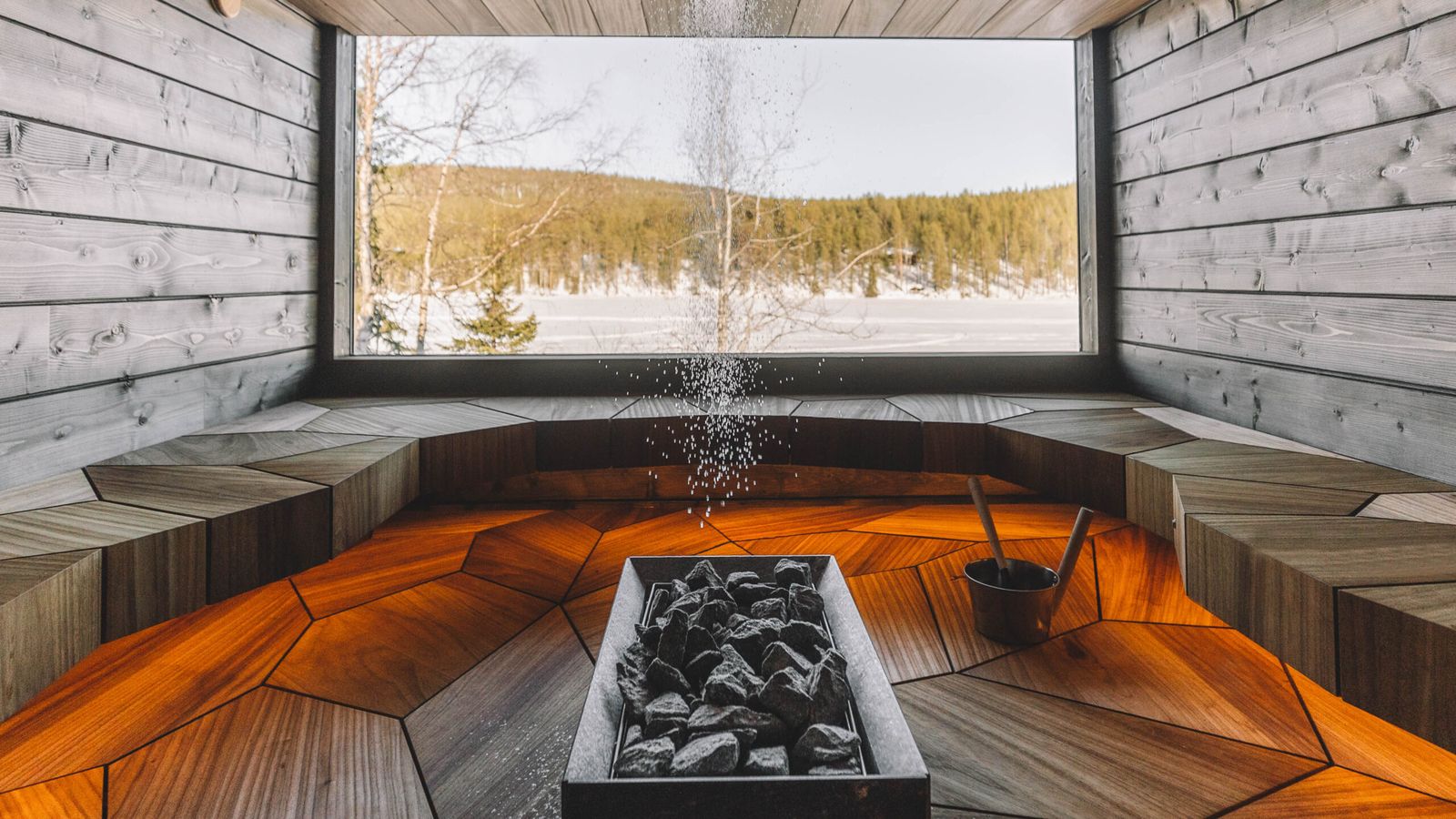
That might mean a public sauna in a city, a lakeside sauna followed by a swim, or a traditional sauna in a smaller community. Tampere is particularly easy to understand through this lens. The city has built much of its identity around its sauna culture, with public saunas ranging from traditional wood-heated establishments to modern lakeside facilities. Visit Finland describes Tampere as the “Sauna Capital of the World” and notes that the city has more than 50 public saunas.
But a Finnish friend may not be thinking about a particular sauna at all. They may simply be thinking: let’s go to the sauna.
That distinction is important. The experience is less about seeing a Finnish institution and more about being included in one.
Nature is another recurring answer, although not always in the way an international visitor might expect. Finland’s forests and lakes are central to its tourism image, yet locals do not necessarily need a national park or a dramatic viewpoint to enjoy them. A short walk, a swimming spot, a trail near town or an afternoon beside a lake can be enough.
That can be difficult to sell to someone accustomed to travelling between major landmarks. There may be no entrance gate, famous monument or carefully staged photo opportunity. The attraction is often the space itself.
A discussion among people sharing ideas for friends visiting Finland included a particularly Finnish suggestion: renting a cottage, swimming in a lake and grilling. Another contributor recommended finding one of the many small lake beaches that are scattered around the country, arguing that part of the pleasure is discovering them.
This is where the Finnish idea of travel can feel different from the way Finland is marketed abroad. A visitor may arrive expecting to be entertained continuously. Someone who lives here may instead suggest doing less.
That does not mean there is nothing to see. It means that the country often becomes more interesting when the gaps between the attractions are allowed to remain.
Small towns frequently appear in those recommendations. Porvoo is an obvious example because it is close enough to Helsinki for an easy trip while offering a very different atmosphere, with its old wooden buildings, cobbled streets, riverside warehouses, cafes and small shops. Visit Finland places the town less than an hour from Helsinki and describes its Old Town as one of the country’s most photographed landscapes.
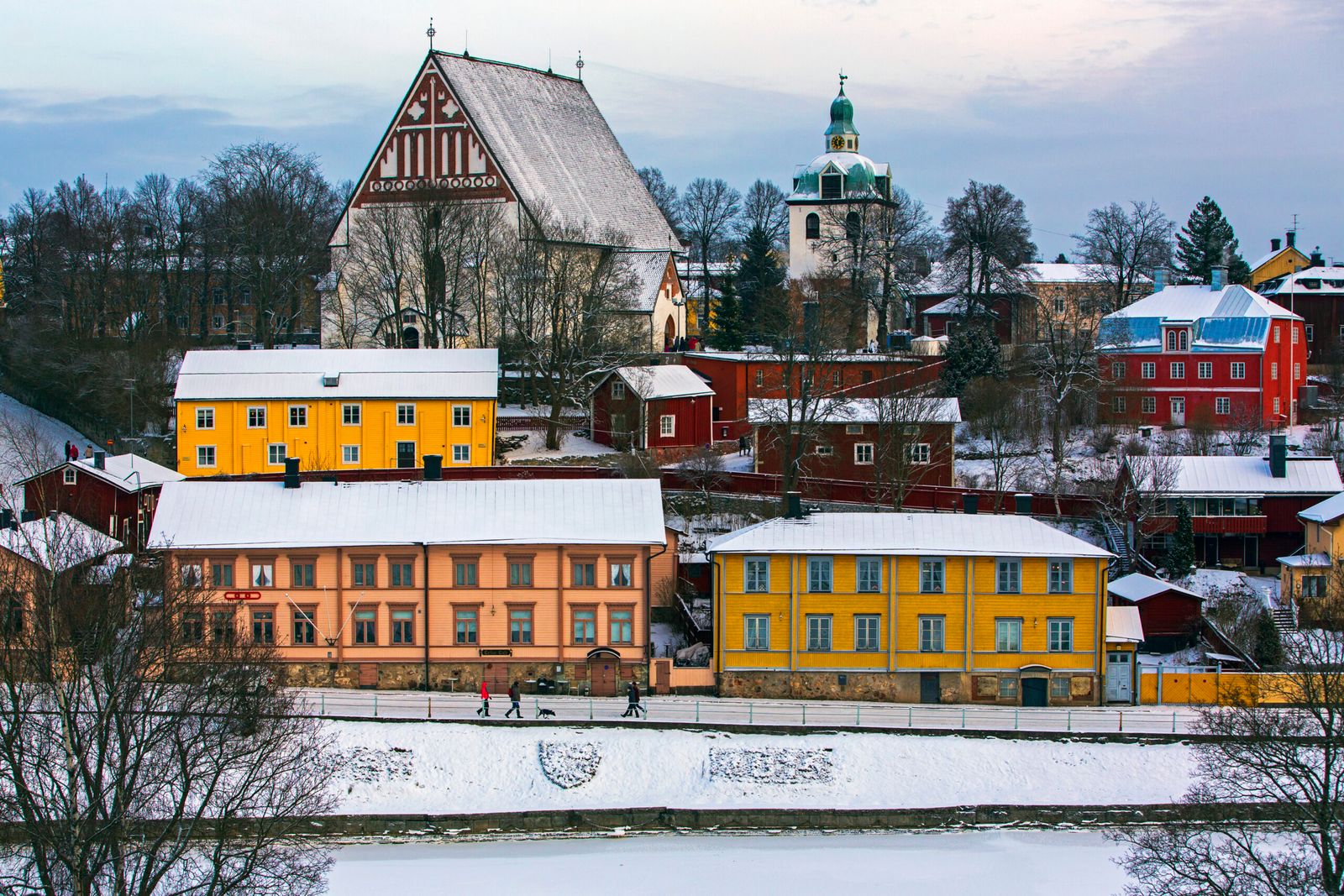
But the appeal of places such as Porvoo is not simply that they are picturesque. They give visitors a chance to see a version of Finland that is not organised around the capital. The same applies to towns such as Rauma, Fiskars and Savonlinna, which regularly surface in recommendations from people looking beyond the most obvious itinerary.
Tampere is another city that makes sense when the aim is to show a visitor something rather than simply take them somewhere. Its old industrial buildings, rapids, lakes and sauna culture are woven into the city rather than separated into isolated tourist attractions. Visit Finland describes it as a place where urban life and Lakeland meet, with the Tammerkoski river running through the centre.
And then there is food.
Finnish visitors’ recommendations can be surprisingly ordinary: try something local, go to a market hall, have coffee, eat a cinnamon bun, try a regional speciality. In Tampere, for example, local recommendations often include mustamakkara and the doughnuts at Pyynikki. The point is not that every visitor will love every Finnish dish. It is that food can provide a way into everyday life that a monument cannot.
The same principle applies to getting around. A visitor based in Helsinki might be taken on a ferry to an island, sent by train to another city, or driven into the countryside for an afternoon. One discussion among people planning activities for visiting friends suggested Helsinki’s islands, Nuuksio, Porvoo, Fiskars and Turku, while another recommended Savonlinna and Punkaharju as places worth reaching by train.
There is also something telling about what is sometimes left out.
A Finnish friend does not necessarily feel the need to prove Finland to a visitor. There can be less emphasis on seeing everything and more on choosing something that feels representative of how people actually spend time here.
That could mean sitting beside a lake for an hour without a schedule. It could mean walking through a neighbourhood rather than rushing between landmarks. It could mean spending an evening in a sauna, going for a swim and eating afterwards. It could mean taking a train to another city simply because there is enough time to see what is there.
For a country whose international tourism image is often built around extreme seasons and dramatic landscapes, this is an important part of the story. Finland is not only the frozen north, the midnight sun or the forest cabin in a promotional photograph. It is also the ordinary rhythm of a Saturday, the public sauna after work, the coffee stop during a road trip and the decision to take the long way home.
Perhaps that is why recommendations from people who live here can be more revealing than a list of Finland’s most famous sights.
When friends come to visit, the question is no longer “What should a tourist see in Finland?” It becomes “What would I want someone I know to experience here?”
The answer is often quieter.
And for a visitor willing to slow down enough to notice it, that quieter version may be the Finland they remember.