Finland and Sweden are exploring a joint procurement of maritime drones as the two NATO allies expand cooperation on surveillance and territorial security in the Baltic Sea. The unmanned vessels could begin operating in Finnish waters before the end of 2026, according to Finnish Navy Commander Tuomas Tiilikainen.
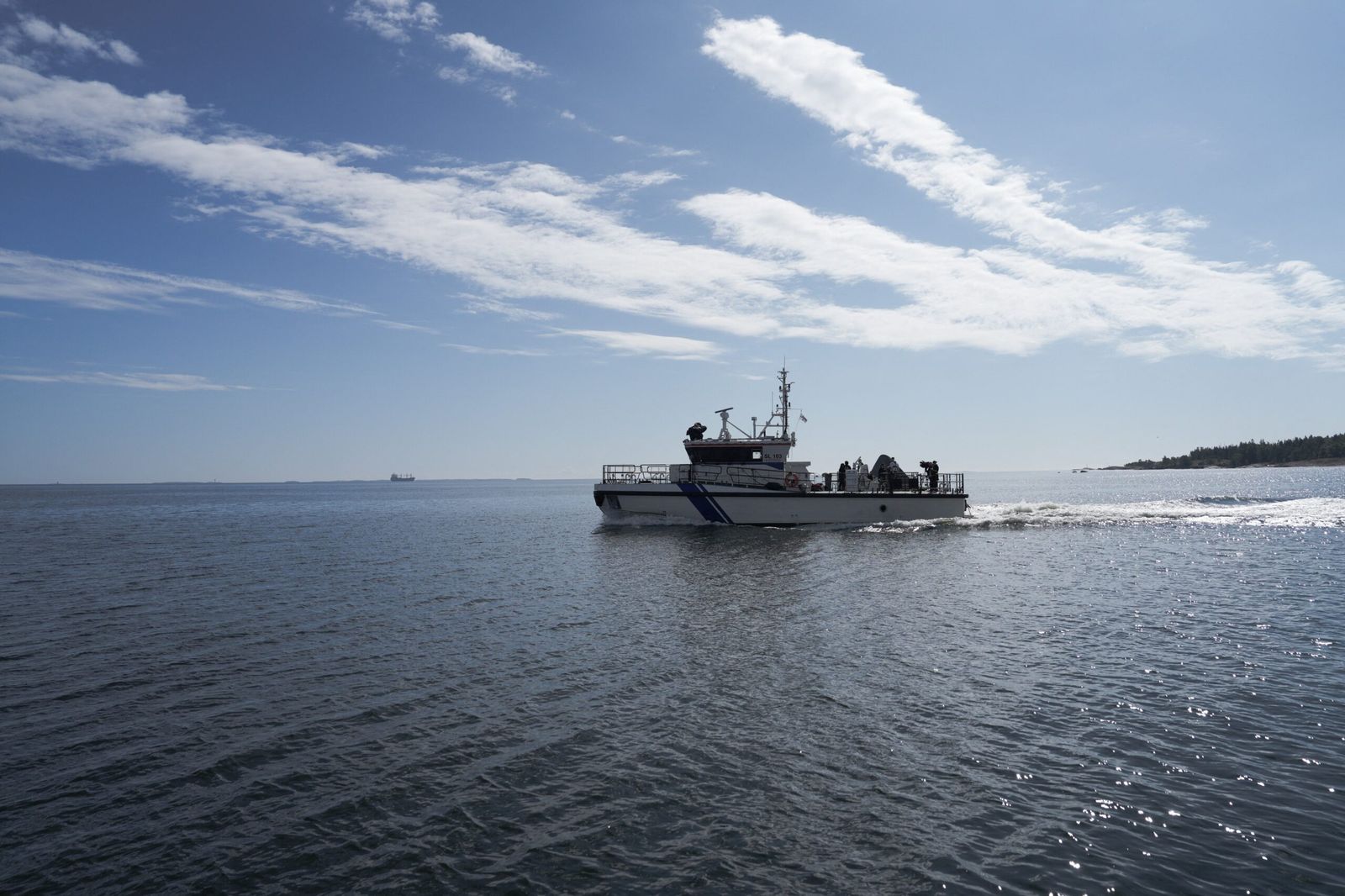
The proposal was announced on Wednesday, September 16, after Tiilikainen met his Swedish counterpart at Suomenlinna in Helsinki. The vessels under consideration are Unmanned Surface Vehicles, or USVs, designed to operate without a crew while carrying sensors and surveillance equipment.
Rather than replacing conventional naval vessels, the drones would provide an additional layer of maritime monitoring. Tiilikainen described the vessels as resembling small sailboats, equipped with sensors and camera-radar systems capable of transmitting information to naval operations centres. That information could help Finnish and Swedish forces detect unknown vessels at sea and decide when closer identification is needed.
The arrangement being discussed would also involve the two countries sharing the capability. Instead of maintaining completely separate resources, Finland and Sweden could jointly acquire the unmanned vessels and temporarily allocate them between the two countries according to operational needs.
Tiilikainen said the aim is for both countries to benefit from the joint procurement and indicated that maritime drone patrols in Finnish waters could begin before the end of the year. At this stage, however, the plan remains under consideration rather than representing a completed procurement contract.
The proposed drones are part of a wider expansion of Finnish-Swedish cooperation at sea. Sweden is also preparing to send a Visby-class corvette to the Gulf of Finland in the coming weeks for a short-term maritime surveillance operation near Finnish territorial waters. The Swedish vessel will operate under Finnish Defence Forces command during the mission and provide information to Finland’s maritime operations centre.
The Swedish contribution would allow Finland to concentrate more of its own surveillance capacity in the eastern part of the Gulf of Finland. Finnish authorities are also dealing with the possibility of drones straying into Finnish airspace, including drones linked to the wider security situation created by Russia’s war against Ukraine. The Finnish government said in August that Finland and Sweden would strengthen cooperation on detecting and countering drones as part of broader efforts to protect Finland’s territorial integrity and support NATO deterrence and defence.
For the Finnish Navy, the value of an unmanned vessel is partly its ability to collect information without putting a crew at sea for every surveillance task. A network of relatively small surface drones could provide another means of observing maritime traffic and directing crewed vessels toward situations that require closer investigation.
The plans also fit into a broader pattern of increasingly integrated Finnish and Swedish military activity. The countries have continued to develop their ability to operate together since joining NATO, while their maritime forces have also been conducting joint exercises. In September, Finnish and Swedish naval units trained together on mine-clearance capabilities, with the exercise focused on keeping sea routes open for both civilian and military transport.
The Baltic Sea has become an increasingly important area for maritime surveillance, particularly as Finland and Sweden strengthen their roles within NATO. The Finnish government said in June that countries around the Baltic Sea were discussing joint responses to drone-related risks affecting public safety, critical infrastructure and national security.
The new maritime drone proposal therefore represents more than an investment in a particular type of vessel. It points to a surveillance model in which Finland and Sweden can combine resources, share information and move capabilities between them when circumstances require it.
For now, the timetable remains dependent on the procurement process and the practical arrangements needed to operate and share the vessels. But if the plans proceed, maritime drones could become another visible part of the security architecture developing across the Baltic Sea, alongside conventional warships, aircraft, radar systems and other surveillance capabilities.