Finland birth rate figures could show a modest improvement in 2026, with new Kela figures indicating that more children may be born in the country this year than in recent years.
The country’s social insurance agency received applications for maternity grants for 33,567 children between January and August, compared with 30,151 during the same period last year. That represents an increase of approximately 11 percent.
The figures do not provide a final count of births, but Kela says the number of applications offers an indication of how many children are expected to be born. People expecting a baby in Finland, as well as those adopting a child, can apply for the maternity grant.
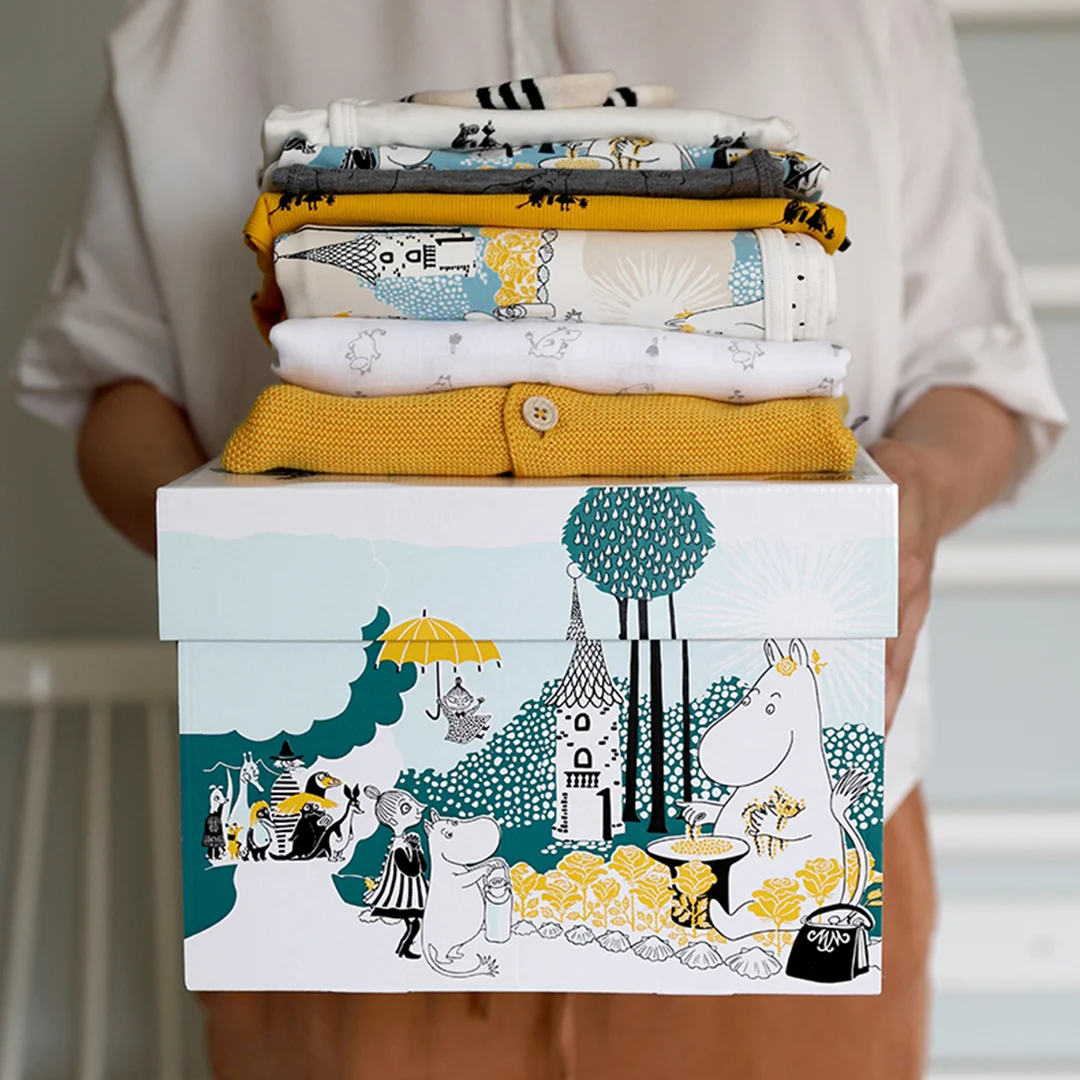
The benefit is best known internationally for the Finnish baby box, which contains practical items for a newborn. Parents can choose between receiving the maternity package or a cash benefit.
“Based on the number of applications, it looks like more children will be born this year than last year,” Anneli Miettinen, Kela’s research chief, said in a statement.
The timing of the applications also gives Kela an early indication of expected births. Maternity grants can be applied for once a pregnancy has lasted approximately five months, while applications must be submitted at least two months before the child’s expected date of birth.
The increase comes at a time when Finland has been dealing with a difficult demographic situation for years. The country has recorded a low birth rate while its population has aged, raising concerns about the future workforce and the long-term ability to maintain the welfare system.
Against that backdrop, the latest Kela figures are significant, but they should not yet be treated as evidence that Finland’s demographic problems have been reversed. Maternity grant applications are an indication of expected births rather than a final birth count, and the annual number of babies born will only become clear once official birth statistics are available.
Even so, the difference from last year is substantial enough to attract attention. By the end of August, applications had already been made for more than 3,400 additional children compared with the same period in 2025.
The development will be closely watched in a country where the number of births has become an important part of the wider debate about population change, employment and public finances. A single year of higher births would not change Finland’s long-term demographic outlook, but it could provide a welcome shift after years of concern about declining fertility.
For now, Kela’s maternity grant applications offer an early indication that 2026 could produce more births than the previous year. The final figures will determine whether that increase represents a temporary rise or the beginning of a more meaningful change in Finland’s birth trend.