China-Iran intelligence cooperation has been downplayed by US President Donald Trump after a report claimed Chinese entities supplied Iran with satellite imagery of a US military base in Jordan before an Iranian missile strike that killed three American soldiers.
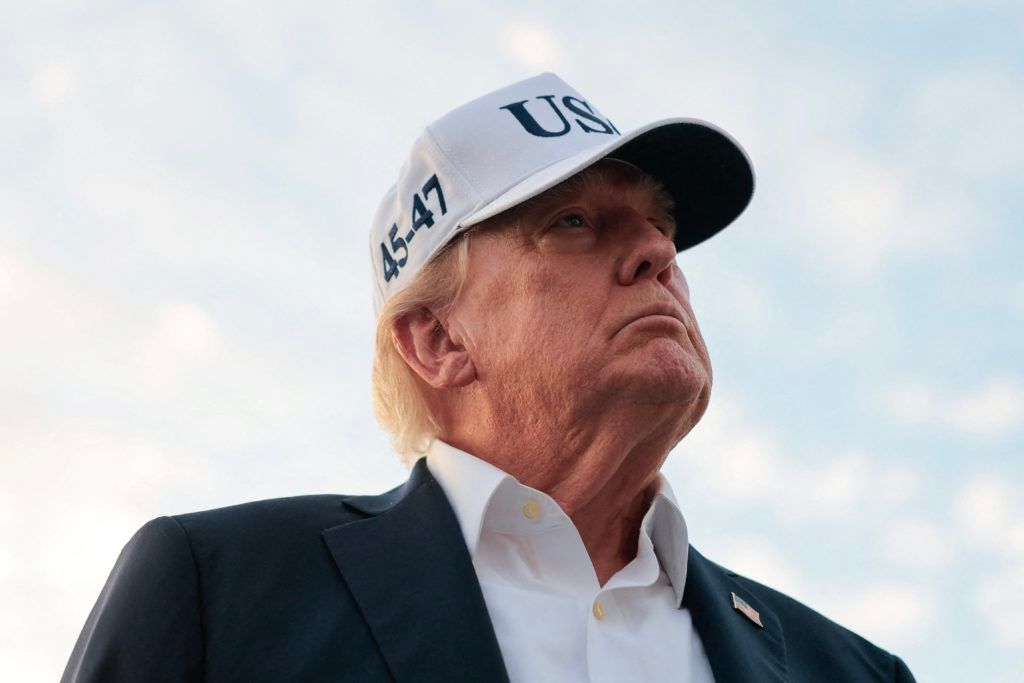
Iranian missiles struck Muwaffaq Salti Air Base in Jordan in July, hitting a facility that hosts US forces. Asked about the reported transfer of satellite imagery as he travelled aboard Air Force One following a visit to Ireland, Trump treated the allegation as part of the intelligence activity routinely carried out by major powers.
“When they say that China spies on us, I say you’re right, and we spy on them too,” Trump told reporters. “That’s what we do. They basically do what we do.”
The comments followed a report by The Wall Street Journal citing unnamed US officials who said Chinese entities had provided satellite imagery to Iran ahead of the attack. The officials reportedly did not identify the Chinese entities involved, and the report did not indicate that the Chinese government itself had ordered or directly participated in the transfer.
That distinction is significant as Washington manages an already sensitive relationship with Beijing. Any evidence that Chinese companies or other entities were helping Iran obtain information about US military positions could add another point of tension between the two countries, particularly as Washington continues to monitor China’s economic and diplomatic relationship with Tehran.
Trump was asked whether he intended to raise the reported intelligence transfer with Chinese President Xi Jinping. He did not say whether the issue would be discussed. Xi is expected to visit the White House on September 24, although China has not officially confirmed the meeting.
Trump instead stressed the state of his relationship with the Chinese leader, saying he believed Xi had behaved reasonably and that the United States had done the same.
“I think he’s behaved reasonably well, and we behave reasonably well,” Trump said.
The remarks reflect the administration’s apparent effort to keep tensions with Beijing from escalating even as Washington remains concerned about China’s relationship with Iran. Trump has previously warned China against supplying weapons to Iran, making any reported assistance to Tehran a potentially sensitive issue for his administration.
The United States has already taken action against Chinese companies over alleged support connected to Iran’s military. In May, Washington sanctioned three Chinese satellite companies, accusing them of links to Iranian military entities.
China is also an important economic partner for Iran and remains one of the country’s major diplomatic partners. It is among the leading buyers of Iranian oil, giving Beijing a significant economic relationship with Tehran even as Washington continues to pressure Iran and scrutinize the assistance it receives from foreign partners.
For now, Trump has chosen not to publicly treat the reported satellite imagery transfer as a direct confrontation with Beijing. His response suggests that, despite concerns over China’s dealings with Iran and the military implications of intelligence sharing, the White House is keen to keep the broader US-China relationship from being pushed into another dispute.
The reported episode nevertheless illustrates the wider security concerns surrounding the US military presence in the region. If foreign entities can provide detailed satellite information about American installations to countries capable of launching missile attacks, intelligence gathering can become an important part of the threat facing US forces even when there is no direct involvement by the government of the country supplying the information.
The Wall Street Journal report has not established that the Chinese government was directly responsible for the imagery allegedly supplied before the Jordan strike. That distinction remains central to the story as Washington weighs its response and Trump continues to defend his relationship with Xi.