Africa Showcase is giving African tourism businesses a more targeted route into Europe, where demand for the continent is growing but the interests, spending habits and travel preferences of consumers differ significantly from one market to another.
Rather than treating Europe as a single source market, the tourism trade platform is focusing on three distinct regions: Central and Eastern Europe, Southern Europe and the Nordic countries. The approach brings African suppliers, destination management companies, tourism boards and specialist operators into direct contact with buyers who understand their respective markets.
For African tourism businesses, that distinction matters. A product that appeals strongly to a Polish traveller may not be marketed in the same way to a French, Italian or Finnish customer. Understanding those differences can be as important as simply getting a destination in front of European buyers.
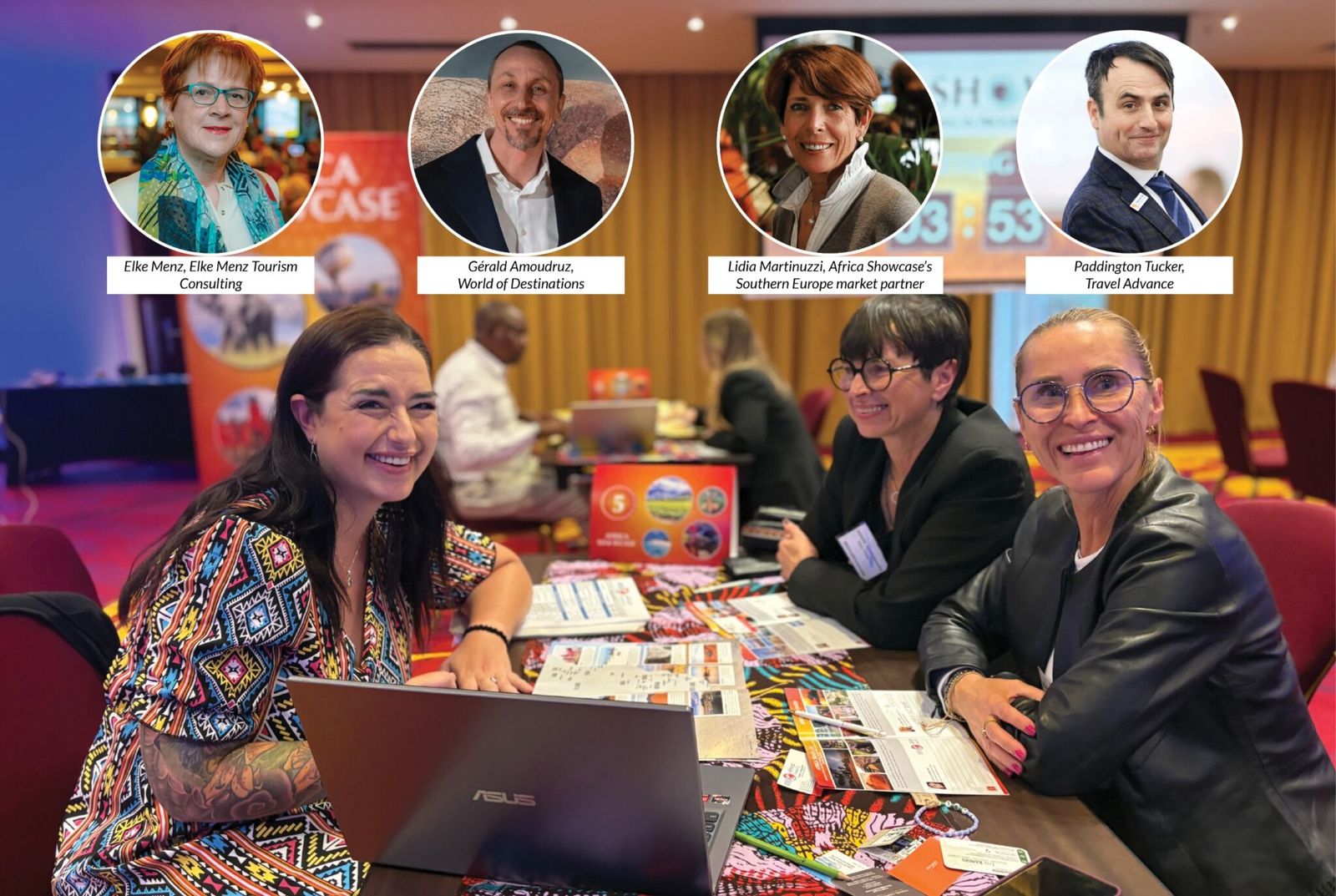
Central and Eastern Europe is one area where Africa Showcase sees considerable room for expansion. Paddington Tucker of Travel Advance, the platform’s CEE and Mitteleuropa market partner, points to Poland, Czechia and Romania as particularly promising markets.
Recent disruption to travel to destinations in Asia and the Middle East has also made Africa more visible to travellers looking for alternatives. Tucker says this has helped put African destinations more firmly on the radar in the region.
Poland stands out for its economic growth and expanding outbound travel market. The country’s economy has reached the US$1 trillion mark, while its expected move into the G20 would further underline its growing economic importance. For African destinations, Poland offers a traveller base that is already showing increasing interest in the continent.
Polish travellers also tend to favour active holidays, often trying to fit a wide range of experiences into one trip. That creates opportunities for destinations and operators able to combine wildlife, culture, adventure and other experiences rather than relying on a single attraction.
The opportunity in Czechia is somewhat different. Czech travellers have a reputation for seeking adventure and less conventional destinations, creating potential for African destinations that sit outside the continent’s most established tourism circuits. Their willingness to explore beyond traditional routes also gives smaller or emerging destinations an opportunity to enter the conversation.
Romania is another market attracting attention. Economic growth, combined with the recent removal of visa restrictions for travel to South Africa, provides an opening for stronger commercial links between Romanian travel buyers and Southern African tourism businesses.
Further south in Europe, the picture is one of established interest combined with changing consumer expectations. Italy and Spain already generate demand for African destinations, but buyers are increasingly looking beyond the traditional idea of an African holiday.
Lidia Martinuzzi, Africa Showcase’s Southern Europe market partner, says the strongest opportunities are increasingly connected to authentic and personalised travel rather than luxury accommodation alone.
Safari remains a major draw, but the wider product is becoming more important. Culture, conservation, food and wine, wellness and marine experiences are all part of the expanding African tourism proposition. Tailor-made holidays, honeymoon travel and small-group trips are particularly significant segments.
South Africa and Namibia continue to attract travellers from Southern Europe, while Botswana maintains a strong position among luxury travellers. Kenya and Tanzania also benefit from the popularity of combining safari with a beach stay, with Zanzibar, the Kenyan coast and the Seychelles forming part of established travel patterns.
Improving air access can further support this demand. Air Europa operates three weekly non-stop services between Madrid and Johannesburg, providing another direct connection between Spain and Southern Africa and potentially making multi-experience itineraries easier to sell.
France presents another important long-haul market, although reaching French travellers requires more than visibility alone. Elke Menz of Elke Menz Tourism Consulting argues that sustained relationships with the trade are central to converting interest into business.
Africa Showcase’s Paris event is designed to reach travel agents and specialist tour operators who may not necessarily attend the major international tourism trade shows in Africa or Europe. The event brings African destinations and tourism businesses directly in front of around 40 selected French travel professionals.
That smaller, targeted approach can also provide something larger trade events do not always offer: direct feedback from the people actually selling holidays. For African suppliers, those conversations can reveal how products are being perceived, where pricing sits in the market and what changes may be needed to make an itinerary more competitive.
The Nordic market brings another set of opportunities. Sweden, Norway, Denmark and Finland may not match the volume of some larger European source markets, but Gérald Amoudruz of World of Destinations describes the region as a market where the quality of demand is particularly valuable.
Nordic travellers are increasingly interested in authentic cultural encounters, interaction with local communities and responsible forms of tourism. They also tend to take longer trips, travel outside the traditional peak season and spend significantly on quality experiences.
For African operators, that creates a market where sustainability and community involvement are not simply additional selling points. They can be central to how a destination or experience is presented to the customer.
The challenge, however, is translating those preferences into products that European buyers can confidently sell. This is where Africa Showcase’s market-by-market approach becomes important. Connecting suppliers with buyers is only part of the process. The more useful exchange comes from understanding what those buyers are looking for, how they package and sell African travel, and which experiences have the strongest potential in their markets.
For African tourism businesses seeking to grow their European distribution, that knowledge can help turn general interest in Africa into actual bookings. It can also help suppliers move beyond dependence on a handful of established markets and discover new audiences for destinations, experiences and itineraries that may previously have had limited exposure.
The European opportunity is therefore not simply about attracting more visitors. It is about understanding where those visitors are coming from, what motivates them and how African tourism products need to be positioned to reach them. By focusing on the distinct characteristics of Central and Eastern Europe, Southern Europe and the Nordics, Africa Showcase is creating a more direct connection between African tourism businesses and the buyers who can help take their products into those markets.