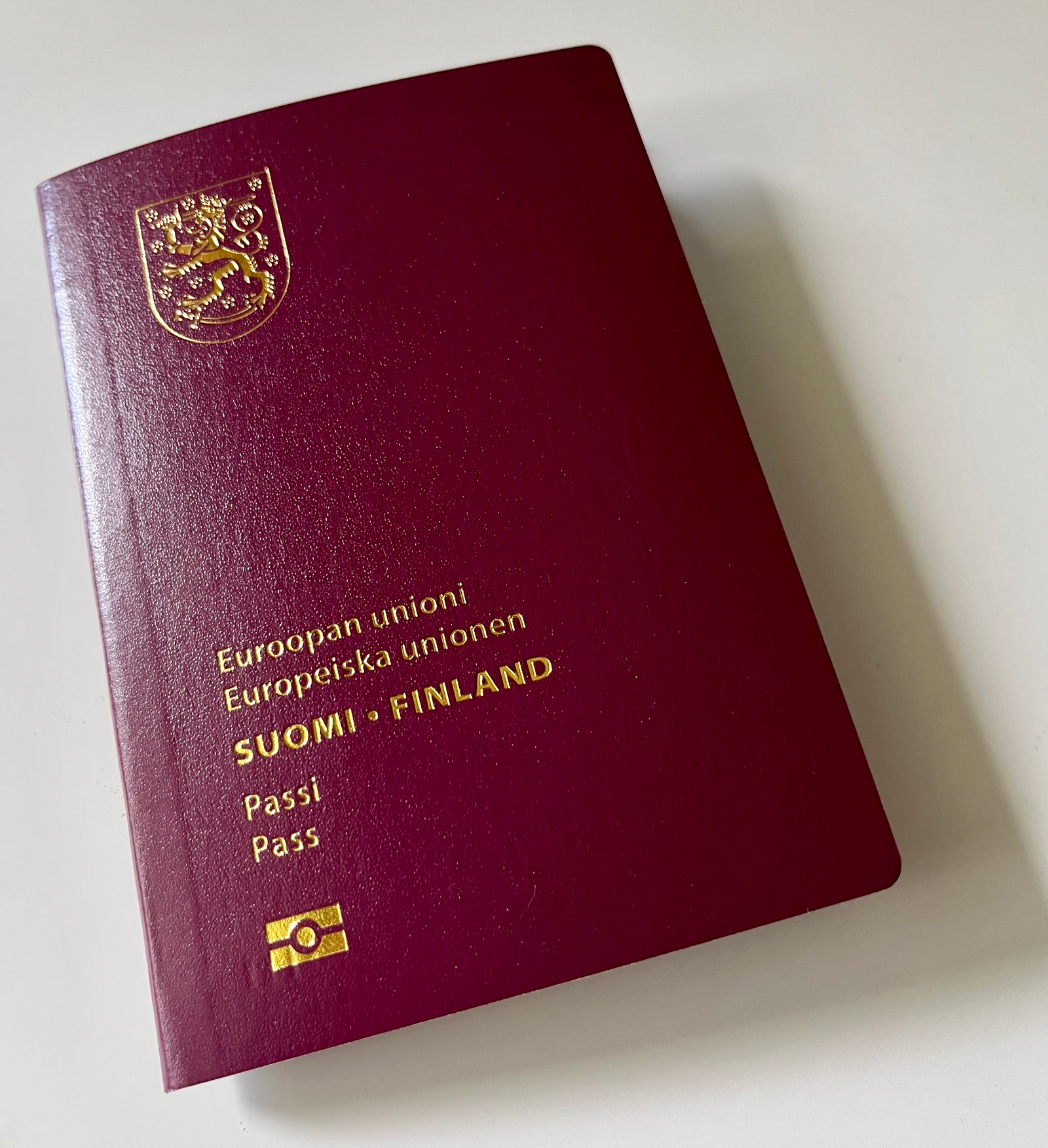
Finland citizenship test will become a new requirement for people applying for Finnish nationality after Parliament approved legislation that changes how citizenship is granted and what applicants must demonstrate before receiving a passport.
The decision marks another major step in Finland’s broader shift toward stricter immigration and nationality policies. Support for the measure reached beyond the governing coalition, showing that tougher citizenship standards now carry backing across parts of Finland’s political spectrum.
The law is expected to take effect at the beginning of 2027.
A New Requirement for Finnish Citizenship
Under the approved legislation, people applying for Finnish citizenship will no longer qualify based only on residency periods and existing eligibility conditions.
Applicants will now be required to complete and pass a citizenship examination designed to assess their understanding of Finnish society.
The test will be offered in either Finnish or Swedish, Finland’s official languages.
Authorities have not yet released the final structure or scoring model. Earlier government proposals suggest the examination will include topics such as:
- Finnish history
- Social institutions
- Culture and civic values
- Equality and human rights
- How public systems operate
- Everyday responsibilities in Finnish society
The aim, according to the government, is to make citizenship reflect more than legal eligibility. Officials say it should also represent meaningful integration and a practical understanding of how the country functions.
Parliament Delivers Broad Support
The legislation passed comfortably in Parliament with 153 votes in favour and 21 against.
What stood out was not simply the result but the coalition behind it.
Support came not only from governing parties but also from opposition groups including the Social Democratic Party and the Centre Party. That level of agreement suggests the discussion around citizenship has moved beyond traditional government versus opposition lines.
The proposal had originally been introduced last year as part of a wider reform package covering immigration, asylum policy and citizenship rules.
Government officials argue that citizenship carries long-term responsibilities and should reflect participation in society rather than only residence.
The Ministry of the Interior led the reform process, with Interior Minister Mari Rantanen overseeing implementation planning.
Administration of the examination is expected to fall under Finland’s Immigration Service, Migri, working alongside an external academic institution to develop and maintain testing standards.
Supporters believe the test could encourage stronger engagement with language, institutions and civic life before citizenship is granted.
The citizenship examination does not stand alone.
Recent reforms have already introduced stricter conditions in other areas.
Changes approved earlier increased the required length of residence and introduced tighter expectations around income stability and personal conduct.
Taken together, the measures point to a more structured pathway to citizenship where applicants are expected to demonstrate long-term commitment before qualifying.
Finland’s approach also mirrors developments seen across several Western countries where citizenship increasingly includes formal assessments of civic knowledge.
Supporters argue these systems strengthen social cohesion and create clearer expectations.
Critics see a different risk.
Opponents of the Finnish proposal warned that testing could create unnecessary pressure, particularly for applicants facing language barriers, social challenges or vulnerable circumstances.
They questioned whether understanding of civic content should become a deciding factor in access to nationality.
Resistance came primarily from the Green League and the Left Alliance, both of which opposed the proposal throughout the legislative process and submitted formal objections during committee review.
One member of the Swedish People’s Party, MP Eva Biaudet, also voted against the legislation.
Political Debate Around What Citizenship Means
The strongest backing for the reform came from those who have long argued for stricter nationality requirements.
The Finns Party welcomed the vote and described it as part of a broader effort to redefine citizenship standards.
Party representatives argued that Finland had historically maintained less demanding requirements than several comparable Western countries.
Their position is that future citizens should demonstrate understanding of the country’s language, culture, history and social structures before receiving nationality.
That argument ultimately gained enough support to reshape Finnish citizenship policy.
As implementation approaches, attention will shift toward one unresolved question: how difficult the examination will actually be and whether it becomes a meaningful measure of integration or simply another administrative hurdle.
The answer may shape not only future applicants but also the national conversation about what citizenship means in modern Finland.