Iranian strike on Saudi air base has exposed a fragile moment in an already volatile Middle East, where military escalation, diplomatic maneuvering, and global economic risks are now tightly intertwined.
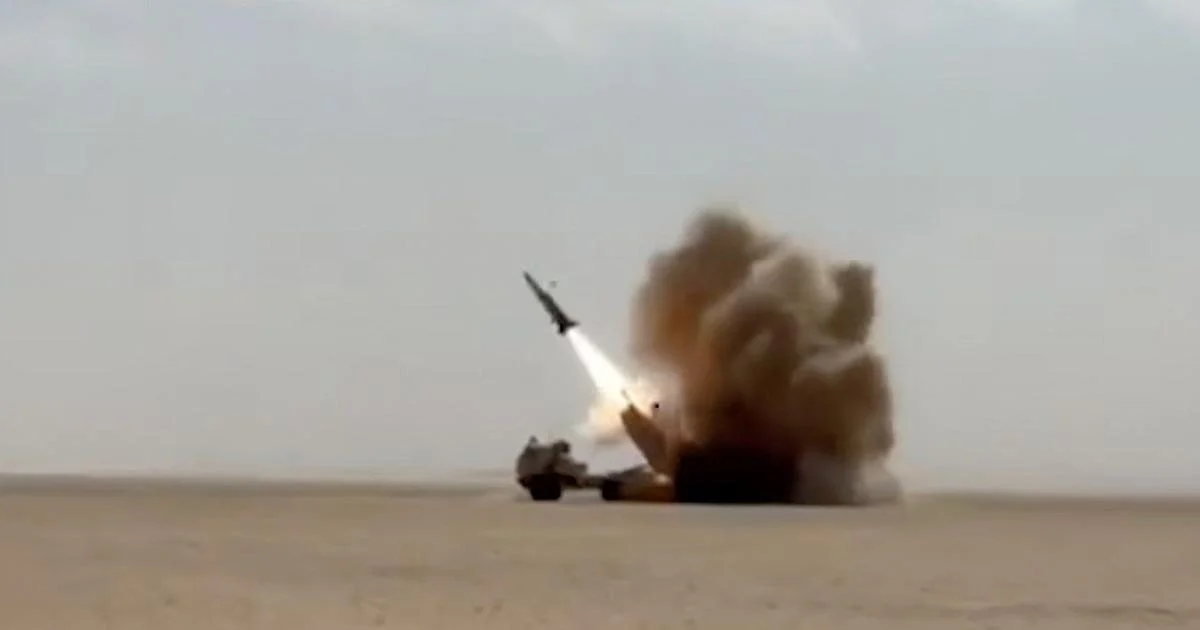
A missile and drone attack on Prince Sultan Air Base in Saudi Arabia left multiple U.S. service members wounded and damaged several aircraft, according to a U.S. official with direct knowledge of the incident. The official spoke privately due to the sensitivity of ongoing military operations. Early reports suggest that refueling aircraft were among the assets hit, a detail that points to the strategic nature of the strike rather than a random show of force. The number of injured personnel remains unclear, as does the severity of their wounds, though the lack of immediate clarity is typical in fast-moving conflict zones where information is tightly controlled.
Satellite imagery that surfaced shortly after the attack appears to confirm visible damage on the ground. Analysts who track military infrastructure note that even limited damage to refueling aircraft can disrupt operational tempo, especially in a region where aerial logistics underpin nearly every aspect of U.S. military presence.
The human cost continues to mount. Army Sgt. Benjamin N. Pennington, 26, died days after sustaining injuries in an earlier March 1 attack on the same base. His death is a reminder that what may appear as isolated incidents are often part of a sustained pattern of targeting critical military hubs. U.S. Central Command has already acknowledged that more than 300 service members have been wounded since the conflict intensified, a figure that underscores the cumulative toll rather than a single event.
What stands out is how quickly military developments are bleeding into diplomatic positioning. On the same day as the strike, former U.S. President Donald Trump publicly renewed calls for Saudi Arabia and Israel to normalize relations once the Iran conflict subsides. His remarks, delivered at an event in Miami tied to Saudi investment interests, reflect a long-standing push to reshape alliances in the region through the framework of the Abraham Accords.
That ambition, however, runs into familiar obstacles. Saudi Arabia has consistently tied normalization with Israel to credible progress toward a Palestinian state. That condition has not shifted, even as regional tensions escalate. The timing of renewed pressure suggests that Washington sees the current conflict as both a risk and an opportunity, though the gap between political vision and on-ground realities remains wide.
The Iranian strike on Saudi air base also carries a layer of strategic messaging. By combining missiles with unmanned drones, Tehran is signaling both capability and adaptability. This dual approach complicates defense systems that are often calibrated for one type of threat at a time. Military observers see this as part of a broader pattern in which Iran tests response thresholds without triggering full-scale retaliation.
At the same time, Tehran is attempting to project restraint in other areas. Its ambassador to the United Nations in Geneva announced that Iran will allow humanitarian aid to move through the Strait of Hormuz, a critical maritime corridor that handles a significant share of global oil and fertilizer shipments. The decision follows a request from the United Nations and marks the first meaningful easing of pressure at the chokepoint since the conflict began.
The Strait of Hormuz is not just a regional concern. It is a pressure point for the global economy. While energy markets tend to dominate headlines, the disruption of fertilizer trade is an equally serious issue. Reduced access to fertilizer ingredients can affect crop yields across continents, quietly raising the risk of food insecurity months down the line.
Iran’s decision to facilitate humanitarian shipments may ease immediate concerns, but it does not remove the underlying vulnerability. Governments and markets are watching closely, aware that any renewed disruption could trigger price shocks and supply chain instability.
What emerges from this moment is a layered conflict where military strikes, diplomatic ambitions, and economic consequences are unfolding simultaneously. The Iranian strike on Saudi air base is not an isolated incident. It is part of a broader pattern that suggests the region is entering a phase where small escalations carry outsized consequences.