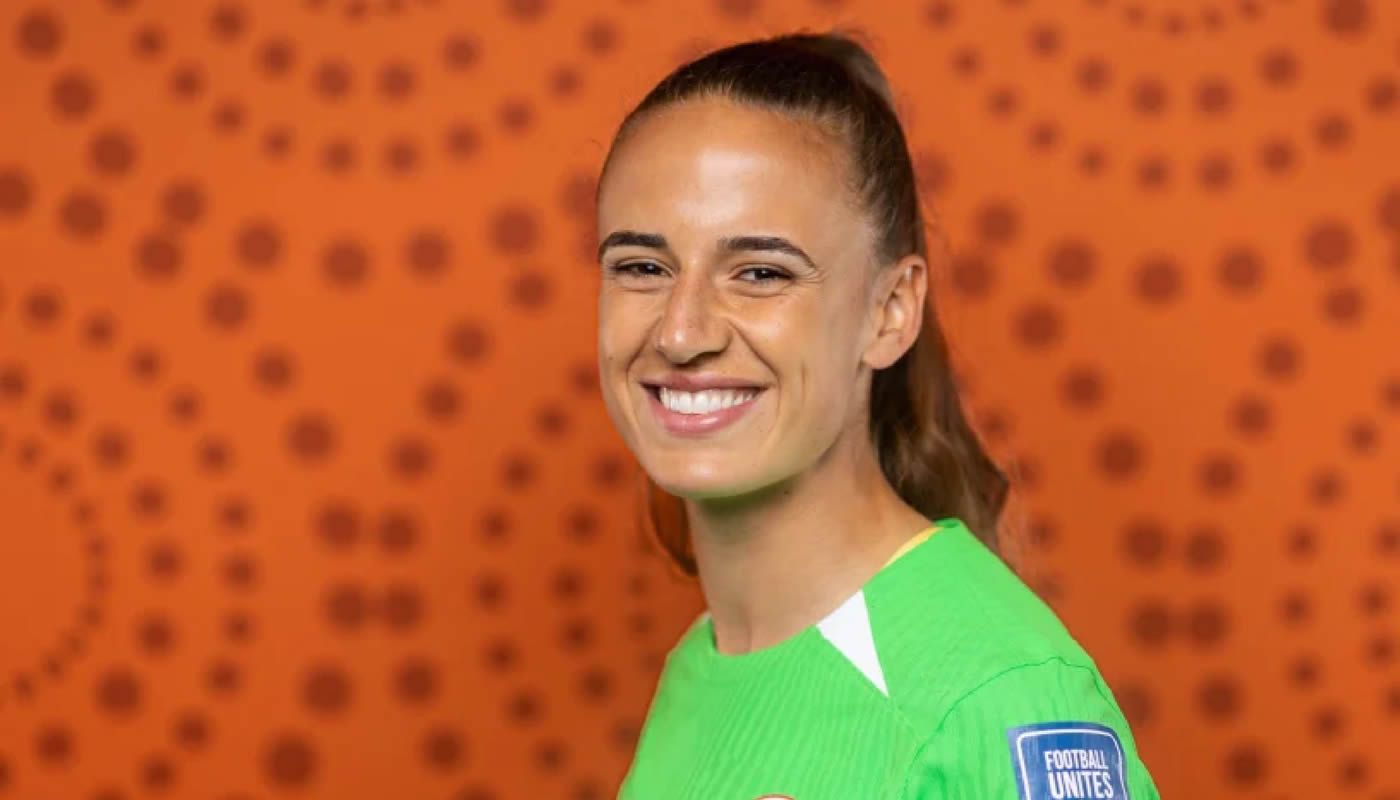
Ashleigh Plumptre surgery has once again placed the Super Falcons defender on the sidelines at a moment when both club and country would have preferred stability.
There was no dramatic announcement, no long medical briefing, just a quiet confirmation from Al-Ittihad Ladies that the defender had undergone a successful procedure on a foot injury. In football terms, that usually signals the beginning of a different kind of battle. Recovery is rarely straightforward, and timelines often stretch beyond early expectations.
For Plumptre, this is not unfamiliar ground.
The defender is expected to be out for several months. That alone carries weight, but the deeper concern lies in the pattern forming around her recent career. Since arriving at Al-Ittihad, injuries have interrupted what initially looked like a strong and productive chapter.
Her first setback came in March 2024. At the time, she had settled quickly into her new environment, contributing not just defensively but offensively as well. Eight goals in twelve appearances is not a typical return for a defender. It suggested confidence, freedom, and a defined role within the team’s structure.
That momentum did not last.
The injury she sustained then kept her out for close to six months. It also forced her to miss the 2024 Summer Olympics in Paris, a tournament that would have been significant both personally and professionally. Missing a global competition at that stage of a career tends to reshape priorities. Fitness becomes the focus, sometimes at the expense of rhythm and continuity.
This latest development brings those concerns back into focus.
Plumptre’s situation reflects a broader reality faced by many players transitioning between leagues and physical demands. Moving to a new club often requires adaptation at multiple levels, including training intensity, match tempo, and even medical management.
Repeated injuries in a short period can disrupt more than just match availability. They affect confidence, timing, and long term performance levels. For a defender, where positioning and decision making rely heavily on rhythm, time away from the pitch can be particularly costly.
There is also the question of workload. Her early impact at Al-Ittihad suggests she was heavily relied upon. That kind of responsibility, especially in a new environment, can sometimes accelerate physical strain.
The timing of this injury matters beyond club football.
The Women’s Africa Cup of Nations in July 2026 is already on the horizon. While that may seem distant, preparation for major tournaments begins far earlier than most fans realize. Coaching staff track player fitness, form, and consistency over extended periods.
Plumptre remains an important figure in Nigeria’s defensive setup. Her versatility, ability to play out from the back, and composure under pressure make her more than just a squad player. Extended absences, however, complicate planning.
If recovery takes longer than expected or if setbacks occur, Nigeria may be forced to explore alternative options or adjust defensive structures.
At the same time, a successful recovery could position her as a key returnee, bringing experience and balance to the squad when it matters most.
A successful surgery is only the first step. The real test begins during rehabilitation.
Players often speak about the mental challenge as much as the physical one. Isolation from the team, uncertainty about timelines, and the pressure to return at full capacity can weigh heavily. For someone who has already endured a long layoff, the process can feel even more demanding.
Clubs tend to be cautious with repeat injuries, especially those involving the same area of the body. That could mean a slower, more controlled return for Plumptre, even if early signs of recovery are positive.
There is still time on her side, but not in abundance.
At 31, every season carries added significance. Consistency becomes more valuable, and interruptions become harder to absorb. The next few months will likely define how the next phase of her career unfolds.
For now, the focus remains simple. Recover properly. Avoid rushing the process. Rebuild strength and match fitness step by step.
Everything else, including international ambitions and club expectations, will follow from there.