Tiger Woods DUI arrest has once again placed one of golf’s most recognisable figures under a harsh public spotlight, but the details emerging from the incident suggest a more complex situation than early reactions might imply.
In the early hours of Friday morning in Florida, Tiger Woods was taken into custody following a road incident near Jupiter. Initial reports described a crash involving another vehicle, with Woods’ car said to have overturned. Despite the severity implied by that description, authorities confirmed that no injuries were reported, a detail that quietly shifts the tone of what could have been far more serious.
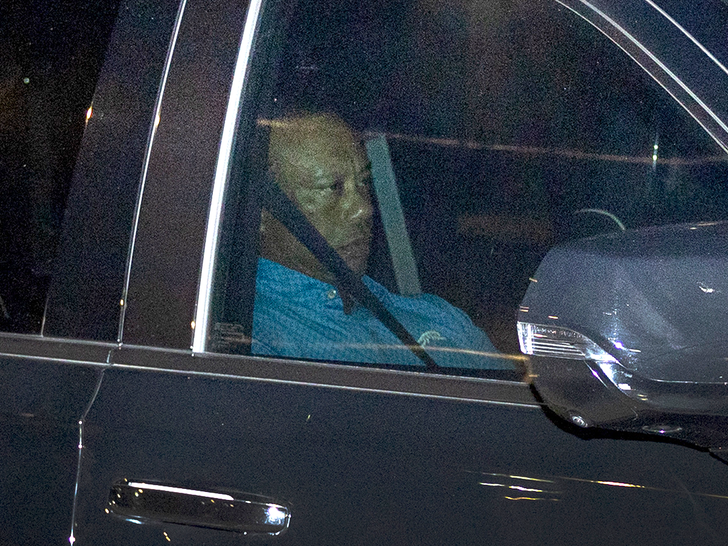
Photographs taken after Woods’ release from the Martin County Jail quickly circulated, showing him seated in a vehicle, his expression tense and withdrawn. The images, widely shared across media platforms, reinforced a narrative of distress, but they reveal little about the underlying circumstances that led to his arrest.
Police statements indicate that Woods was suspected of driving under the influence. However, a breathalyser test reportedly returned a 0.00 blood alcohol level. That single figure complicates the assumption of alcohol impairment and instead redirects attention toward another possibility that law enforcement noted at the scene. Officers described Woods as lethargic and disoriented, raising suspicions that medication, rather than alcohol, may have influenced his condition.

Authorities requested additional testing, including a urine sample, which Woods declined to provide. Under Florida law, refusal to comply with such testing can itself carry legal consequences. That refusal became a key factor in the decision to proceed with the arrest, regardless of the breathalyser result.
The Tiger Woods DUI arrest highlights a recurring issue in high profile cases where public perception often moves faster than verified detail. The absence of alcohol in his system does not eliminate the seriousness of the situation, but it does shift the conversation toward prescription medication, recovery, and personal health management, areas that are often less visible but equally critical.
Woods has a well documented history of injuries and multiple surgeries, factors that frequently involve prescribed pain management treatments. While authorities have not confirmed the specific substances involved, the suggestion of medication introduces a different layer of scrutiny, one that intersects with broader discussions about athlete health and long term physical strain.

The Tiger Woods DUI arrest also underscores the unique pressure placed on global sports figures. Every incident, regardless of scale, becomes amplified through media cycles that often prioritise immediacy over nuance. In Woods’ case, his legacy in professional golf ensures that even a non injury traffic incident becomes international news within hours.
Yet, what stands out in this case is not just the arrest itself, but the ambiguity surrounding it. A negative alcohol reading alongside suspected impairment raises questions that are not easily answered in a single police report or headline.
Woods was released from custody several hours after his arrest. There has been no indication of injuries, no confirmation of alcohol involvement, and no definitive statement regarding medication. What remains is a situation that sits in a grey area, legally significant but medically and contextually unresolved.
For observers, the takeaway is less about a single incident and more about how quickly narratives form around incomplete information. The Tiger Woods DUI arrest is not just a story about a traffic stop. It is a reflection of how public figures are judged in real time, often before the full picture has had a chance to emerge.