Long-haul flights reward discipline and punish improvisation. The cabin is a controlled environment, but it is not a neutral one. It dries the body, fragments sleep, and amplifies small decisions into noticeable outcomes. Travelers who arrive composed tend to follow a method, whether they articulate it or not.
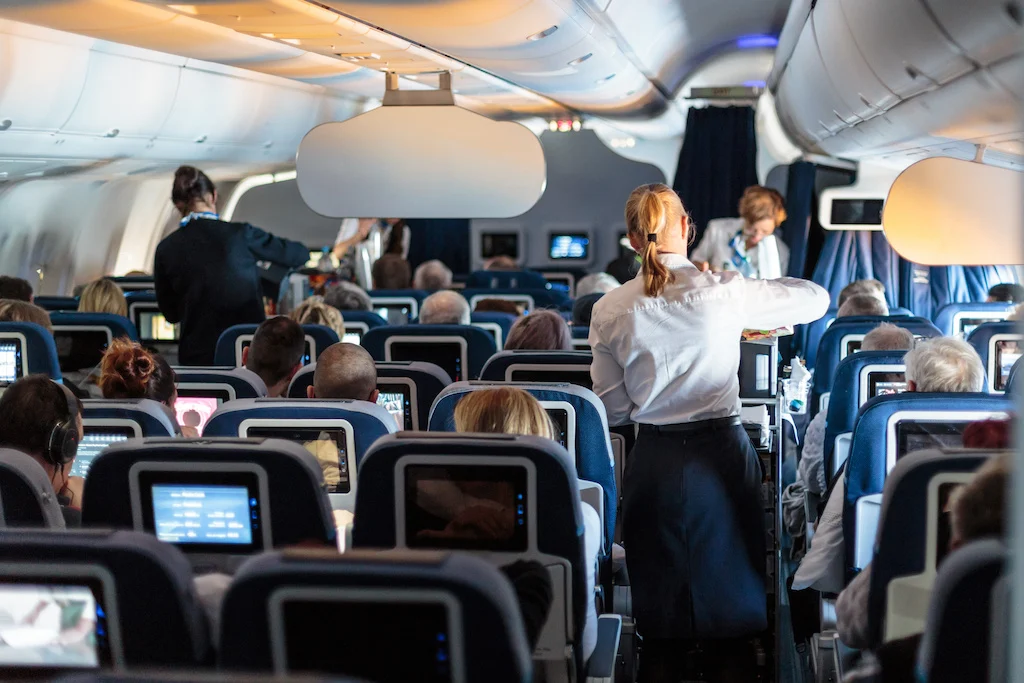
The experience is often framed as endurance. That framing misses the point. Most discomfort in long-haul travel is predictable, and therefore manageable with deliberate preparation and calibrated behavior in flight.
Aircraft cabins operate at pressure levels equivalent to high-altitude environments. Oxygen saturation remains within safe limits for healthy passengers, yet the body registers the difference. Fatigue accumulates more quickly. Cognitive sharpness softens.
Humidity levels are consistently low, often between 10 and 20 percent. This accelerates dehydration even when passengers do not feel thirsty. The result is cumulative rather than immediate. Dry skin, headaches, and lethargy tend to appear later in the journey or upon arrival.
Seating density introduces a second layer of strain. Limited movement affects circulation. Prolonged immobility places stress on the lower back and legs. These are not minor inconveniences. They shape how the body processes time in the air.
Experienced travelers treat the flight as a continuation of their schedule, not a pause from it. The adjustment begins at least a day before departure.
Sleep timing is the first lever. Shifting bedtime toward the destination time zone, even slightly, reduces the abruptness of the transition. This does not eliminate jet lag, but it compresses its impact. The body prefers gradual change over sudden displacement.
Hydration should be approached with consistency rather than volume. Drinking water steadily before departure builds a buffer against the dry cabin environment. Excessive caffeine and alcohol disrupt this balance. Both alter sleep cycles and increase fluid loss, which becomes more pronounced at altitude.
Seat selection reflects intent. An aisle seat allows regular movement without disruption, which is valuable on flights exceeding eight hours. A window seat offers a fixed position for sleep. Neither is universally better. The decision should align with how the traveler plans to use the flight.
Managing the environment in flight
Once airborne, control becomes incremental but still meaningful.
Clothing should account for temperature variability. Cabins often cool significantly after takeoff. Layering allows adjustment without discomfort. Breathable fabrics reduce irritation during extended periods of sitting.
Hydration continues as a steady practice. Small, regular intake is more effective than infrequent consumption. Airline service is not always sufficient, which is why experienced travelers often supplement with their own water supply after security.
Movement is essential. Standing, stretching, and short walks along the aisle help maintain circulation. This is not about exercise. It is about preventing stagnation. Even brief movement every hour can reduce stiffness and improve overall comfort.
Posture matters more than most passengers assume. Adjusting seat position, supporting the lower back, and avoiding prolonged pressure on one side of the body reduces fatigue. Small corrections, repeated over time, produce noticeable differences.
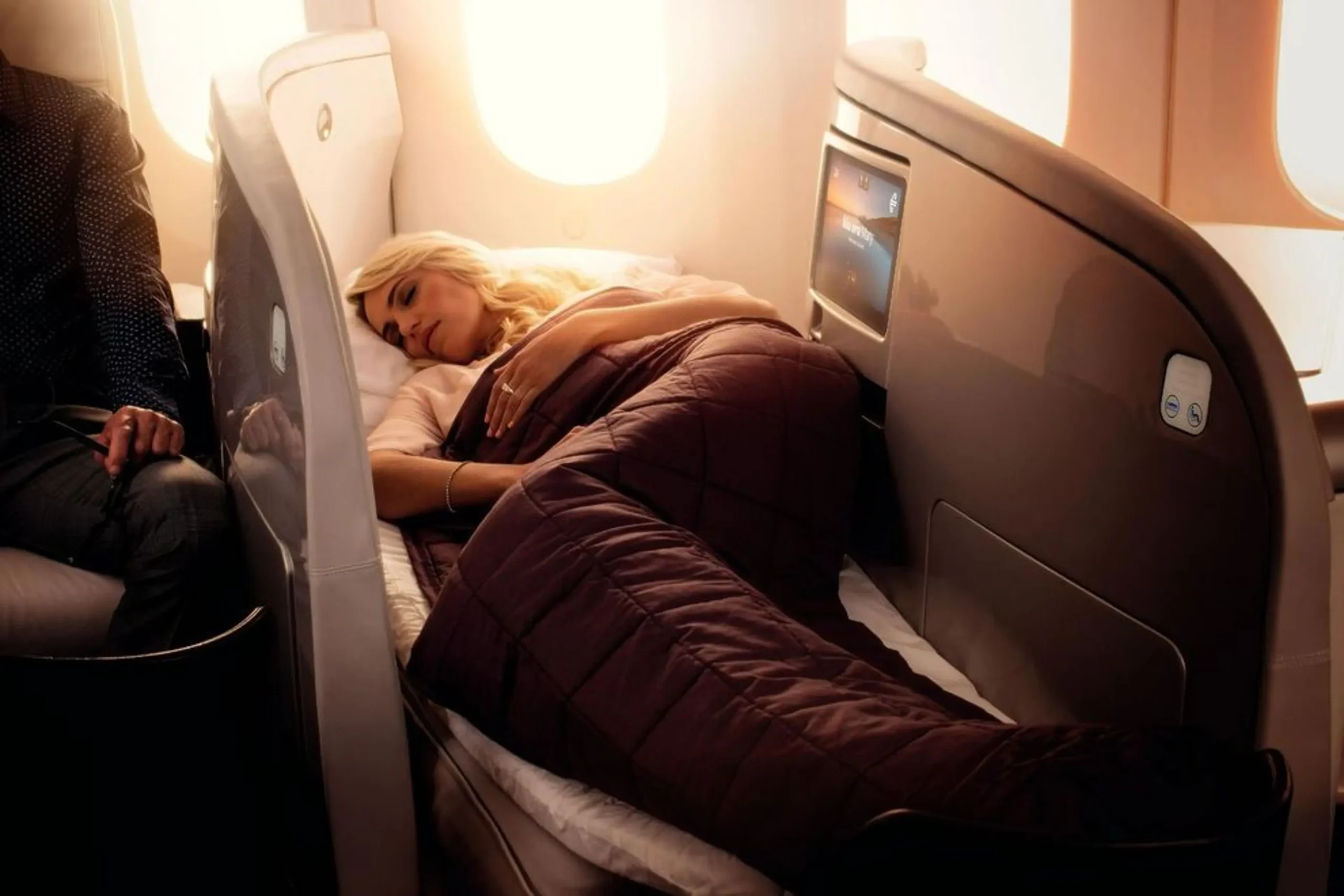
Sleeping on a long-haul flight rarely happens by chance. It requires conditions that approximate rest, even within constraints.
Light exposure plays a role. Eye masks are effective because they remove visual stimulation in a bright cabin environment. Noise reduction, whether through earplugs or headphones, creates a more stable auditory space.
Timing sleep according to the destination time zone is a practical strategy. Sleeping immediately after takeoff may feel intuitive, but it is not always aligned with arrival time. Aligning rest periods with the destination night cycle increases the likelihood of functional arrival.
Physical support is often underestimated. Neck pillows, when properly used, stabilize the head and reduce strain. Blankets or layered clothing contribute to thermal comfort, which influences sleep quality more than passengers tend to expect.
The most effective approach combines timing, environment, and restraint. Avoid heavy meals immediately before planned sleep. Limit screen exposure, as it delays the body’s transition into rest. Treat the cabin as a temporary sleep environment rather than an extension of daytime activity.
Airline meals are structured around operational efficiency, not individual physiology. This creates a mismatch between service timing and the body’s internal clock.
Eating lightly and selectively reduces discomfort. Heavy meals in a sedentary environment can lead to sluggishness and digestive strain. Smaller portions, combined with steady hydration, maintain a more stable energy level.
Some travelers choose to align food intake with the destination time zone. This approach supports the body’s adjustment process, though its effectiveness varies. The key is consistency rather than strict adherence.
Screens dominate long-haul flights. They provide distraction, but they also extend wakefulness beyond what the body requires.
Continuous exposure to in-flight entertainment or personal devices delays sleep and contributes to mental fatigue. Alternating between periods of engagement and deliberate disengagement improves overall balance. Reading, listening to audio, or simply resting without stimulation can be more restorative than constant visual input.
Extended immobility is associated with increased risk of circulation issues, including deep vein thrombosis. While the risk remains low for most healthy passengers, it rises with flight duration and individual predisposition.
Regular movement mitigates this risk. Flexing the ankles, adjusting leg position, and walking periodically are simple measures with measurable benefit. Compression socks are used by some travelers, particularly on flights exceeding ten hours, though their necessity depends on individual factors.
The final phase of a long-haul journey begins before landing. Preparing for arrival improves recovery.
Adjusting to local time immediately upon arrival is widely recommended. Exposure to daylight helps reset the body’s internal clock. Short walks and light activity support circulation after prolonged sitting.
Sleep should be timed carefully. Sleeping too early can reinforce jet lag rather than resolve it. Staying awake until an appropriate local bedtime, even with some fatigue, often leads to better adjustment.
Frequent travelers rarely describe their process in detail, yet their habits are consistent. They manage hydration without excess. They move without drawing attention. They treat sleep as a structured activity rather than a hopeful outcome.
These behaviors do not eliminate discomfort. They reduce its intensity and duration. Over long distances, that difference is significant.