Best Travel Cameras for Beginners Beyond Specs and Marketing Claims!
A camera shapes how a place is remembered. Not just the image quality, but the rhythm of shooting, the weight in your hand, the hesitation before pressing the shutter in a crowded street or a dim train carriage. The wrong camera interrupts travel. The right one becomes invisible.
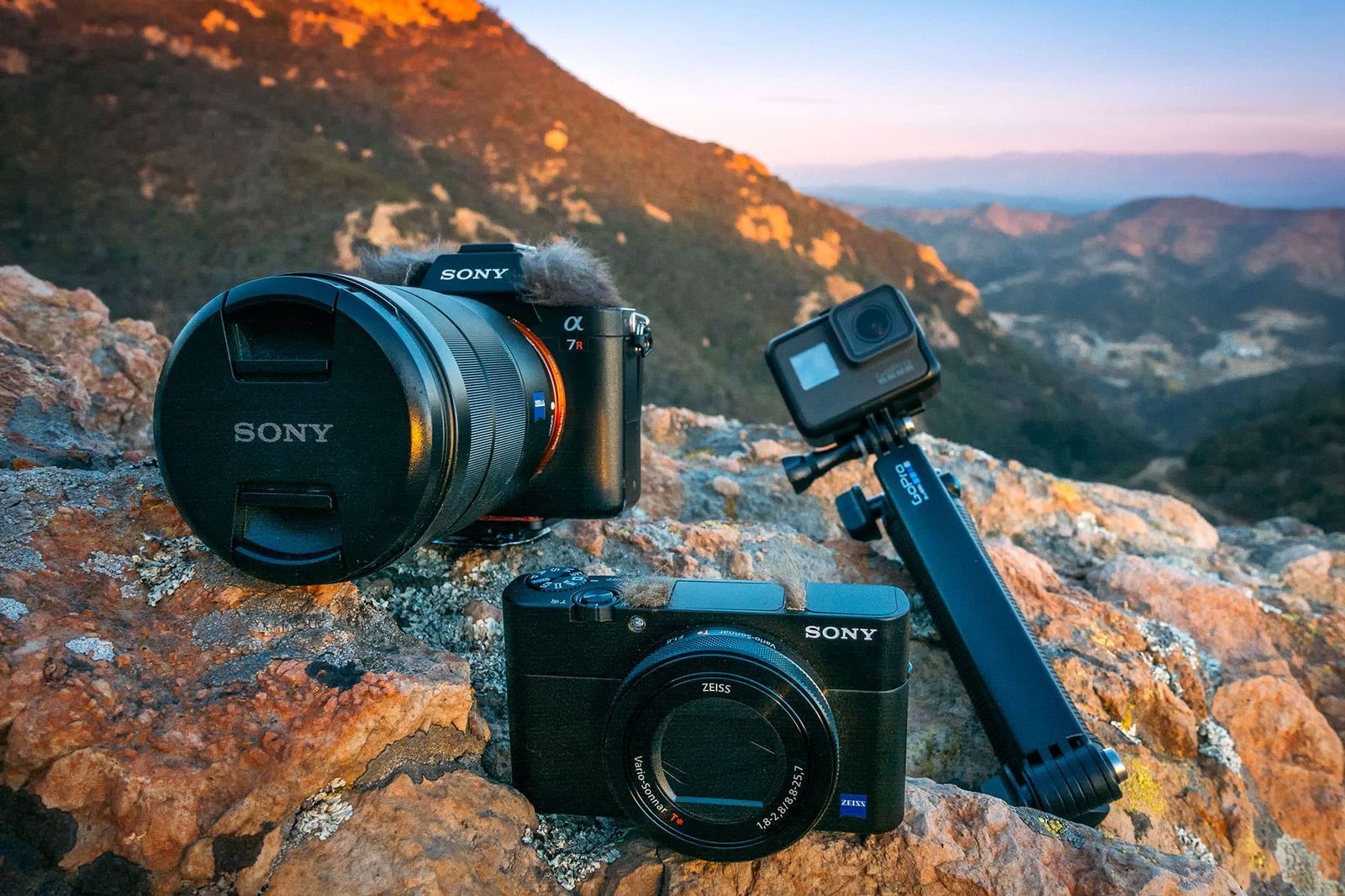
The market has settled into a quiet consensus. Entry-level cameras are no longer defined by compromise alone. Sensor performance has improved across price tiers, autofocus systems borrow from professional lines, and video capability is now expected rather than optional. For a beginner traveler, the question is no longer whether a camera can perform, but whether it fits the way one moves through unfamiliar places.
What Actually Matters on the Road
The technical specifications are easy to list. They are less useful in isolation. Travel places different demands on a camera than studio or controlled work.
Size and weight remain decisive. A camera that stays in the bag does not document anything. Mirrorless bodies have shifted expectations here, offering large sensors in compact forms. The difference between carrying a camera all day and leaving it behind often comes down to a few hundred grams.
Battery life is another constraint that only becomes obvious after a long transit day. Many mirrorless cameras still lag behind older DSLRs in endurance. Carrying spare batteries is not a solution in itself if charging options are limited, especially in regions with unstable power supply.
Autofocus performance matters less for static landmarks and more for people. Street scenes, markets, public transport, these demand quick and reliable subject tracking. Modern systems with eye detection have reduced the learning curve, allowing beginners to focus on composition rather than technical correction.
Weather resistance sits in a grey area. Fully sealed bodies are expensive, but basic durability still matters. Dust, humidity, sudden rain, these are common travel conditions, not edge cases.
Finally, lens ecosystem. A beginner rarely stays with one lens forever. Systems with affordable, high quality lenses offer more long term value than those with limited or expensive options.
Mirrorless Cameras as the New Baseline
Mirrorless systems now dominate the entry and mid range market. They are lighter, quieter, and increasingly powerful.
The appeal for beginners is straightforward. What you see in the viewfinder closely matches the final image. Exposure, white balance, and color profiles are previewed in real time. This reduces guesswork and accelerates learning.
DSLRs still have advantages in battery life and optical viewfinders, but the industry direction is clear. Manufacturers are investing in mirrorless systems, and support for older DSLR lines is gradually narrowing.
Sensor Size and Real World Impact
There is a tendency to overstate sensor size differences. Full frame sensors offer better low light performance and depth of field control, but they also increase cost, lens size, and overall system weight.
APS-C sensors strike a balance. They deliver strong image quality, especially in daylight and moderate low light conditions, while keeping the system manageable. For most travel scenarios, the difference between APS-C and full frame is less critical than composition, timing, and light.
Micro Four Thirds systems go further in portability. The trade off is slightly reduced performance in very low light, but the benefit is a compact kit that can cover a wide focal range without burden.
The Cameras That Hold Up in Practice
A few models consistently stand out for beginners who travel frequently. Not because they are the most advanced, but because they are reliable, adaptable, and widely supported.
Sony Alpha a6400
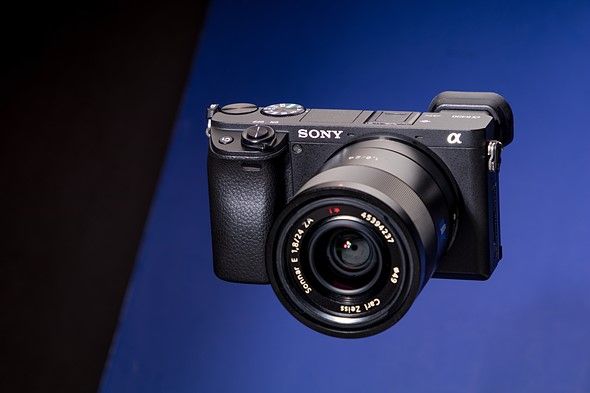
Sony’s APS-C line has matured into a dependable option. The a6400 offers fast autofocus, strong video capability, and a compact body. It lacks in body stabilization, which can be limiting for handheld video, but lens based stabilization often compensates.
Sony’s lens ecosystem is one of the strongest in the mirrorless market. Third party manufacturers have also expanded options, making it easier to build a kit over time without excessive cost.
Canon EOS R50
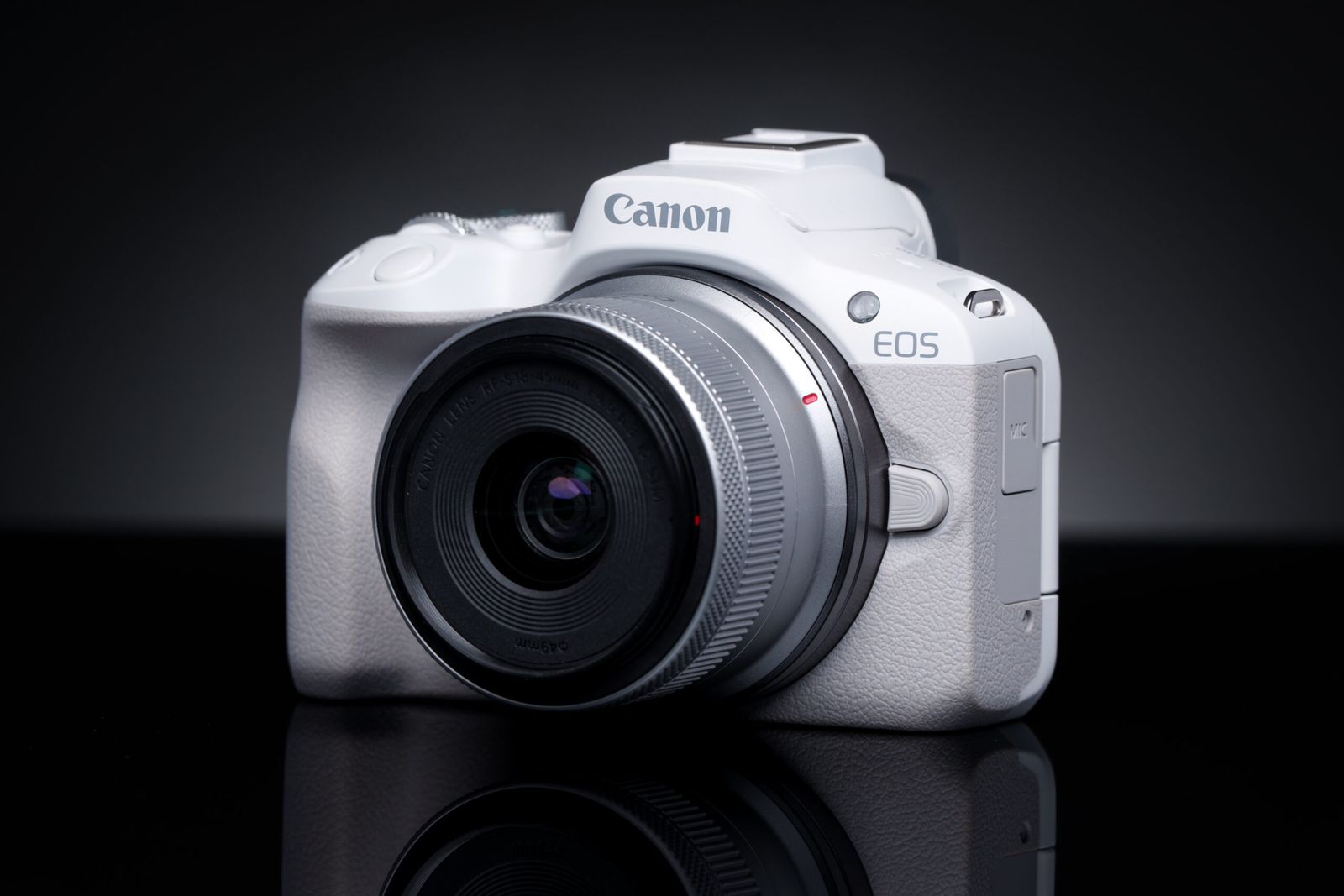
Canon’s entry into the mirrorless segment has been cautious but effective. The EOS R50 is designed with simplicity in mind. Its interface is intuitive, and color rendering is consistent.
The limitation lies in the RF lens lineup. While growing, it remains more expensive and less diverse than older EF systems. Adapters provide a workaround, but they add bulk.
Fujifilm X-T30 II
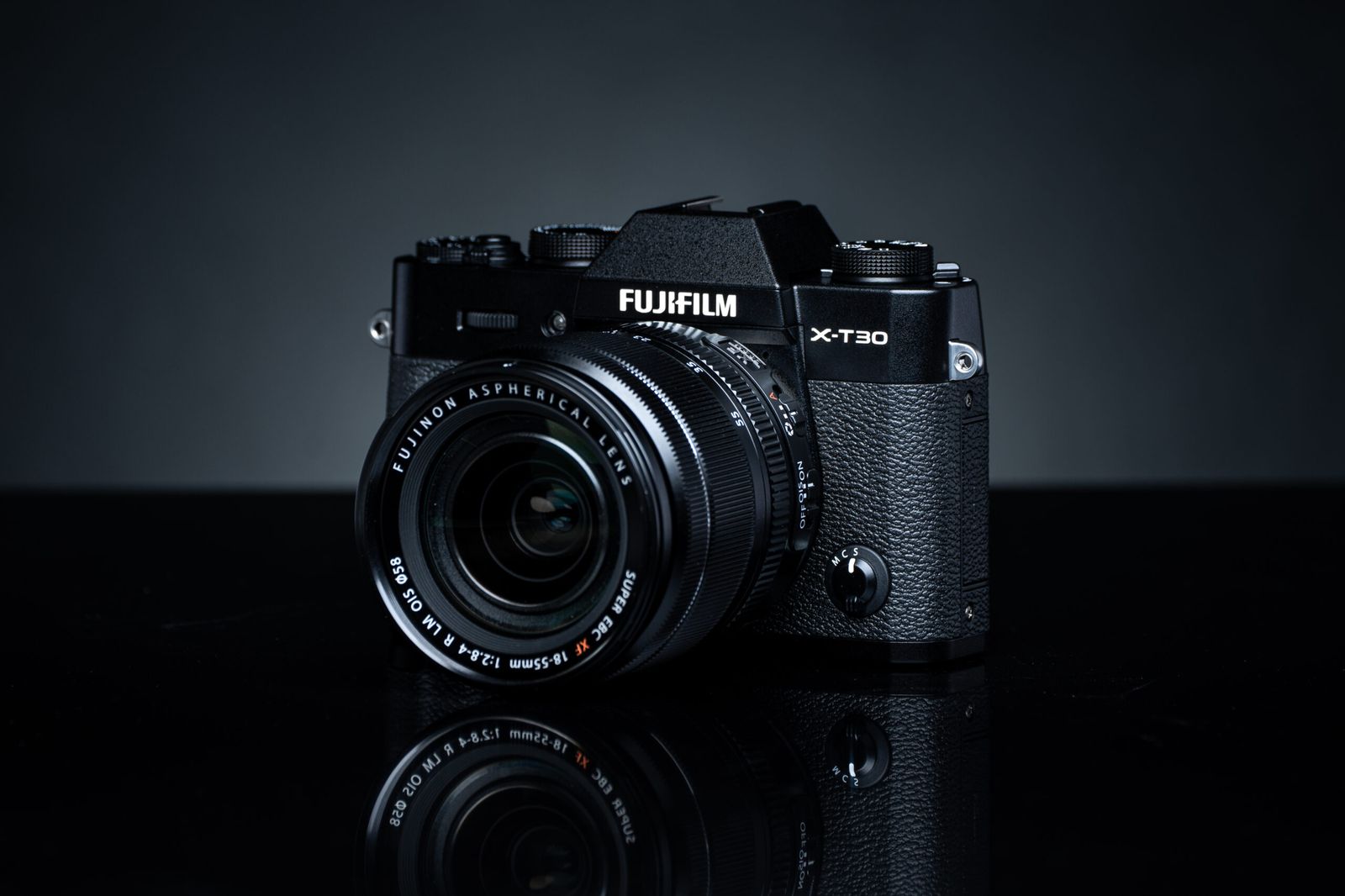
Fujifilm approaches photography differently. The X-T30 II emphasizes manual controls and film simulations. For travelers interested in aesthetics straight out of the camera, this matters.
The tactile design encourages deliberate shooting. It slows the process in a useful way. However, beginners who prefer automated operation may need time to adjust.
Panasonic Lumix GX9
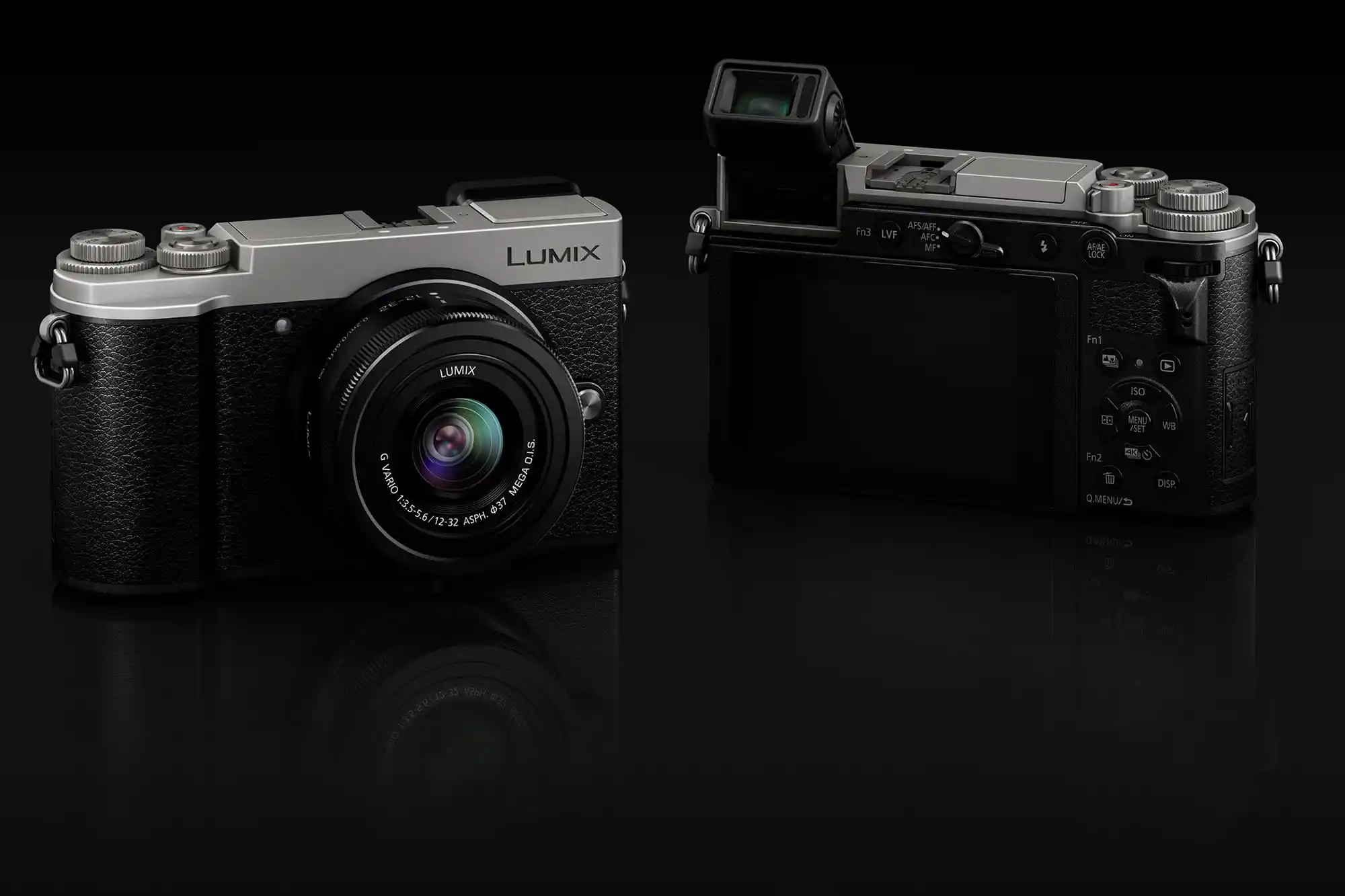
A quieter presence in the market, the GX9 offers strong value in the Micro Four Thirds category. It includes in body stabilization, compact size, and access to a broad range of small, affordable lenses.
Its autofocus system is less advanced than competitors, particularly for fast moving subjects. For slower, observational travel photography, it remains effective.
Video is No Longer Secondary
Travel documentation increasingly includes motion. Social platforms have shifted expectations, and cameras now reflect that reality.
Most entry level mirrorless cameras support 4K video. The differences lie in stabilization, autofocus during recording, and color profiles. Beginners should not overlook audio. Built in microphones are often insufficient in noisy environments. External microphone support becomes important for interviews or narrative content.
There is also a practical consideration. Shooting video consumes more battery and storage. This changes how a camera is used during long travel days.
Cost Beyond the Body
The initial purchase price is only part of the equation. Lenses, memory cards, spare batteries, and protective gear add up quickly.
A common mistake is allocating the entire budget to the camera body. A balanced approach tends to yield better results. A mid range body paired with a high quality lens often outperforms a high end body with a basic kit lens.
Insurance is another overlooked factor. Cameras attract attention, especially in crowded urban areas. Loss or theft is not hypothetical.
The phrase best travel cameras for beginners suggests a single answer. In practice, it depends on how travel is approached.
For short city trips with an emphasis on street photography, compact APS-C mirrorless cameras offer the best balance.
For longer journeys where weight becomes critical, Micro Four Thirds systems provide flexibility without strain.
For those who prioritize video alongside stills, models with strong stabilization and reliable autofocus during recording should take precedence.
There is no universal solution. The right camera is the one that integrates into movement, not the one that demands constant adjustment.
A Measured Outlook
Camera technology will continue to improve. Sensors will become more capable, autofocus systems more precise, and video features more advanced. These changes are incremental.
What remains constant is the relationship between the photographer and the environment. A beginner camera does not limit the ability to observe, anticipate, or frame a moment. It simply defines how easily those actions translate into an image.
The decision, then, is less about finding the most advanced tool and more about choosing one that does not interfere with the act of travel itself.