Two men charged over alleged Iran-linked surveillance of London’s Jewish community brings into focus a case that has quietly unsettled both security officials and local communities in the United Kingdom. What has emerged so far is not just a criminal proceeding, but a snapshot of how geopolitical tensions can surface in very local, very human ways.
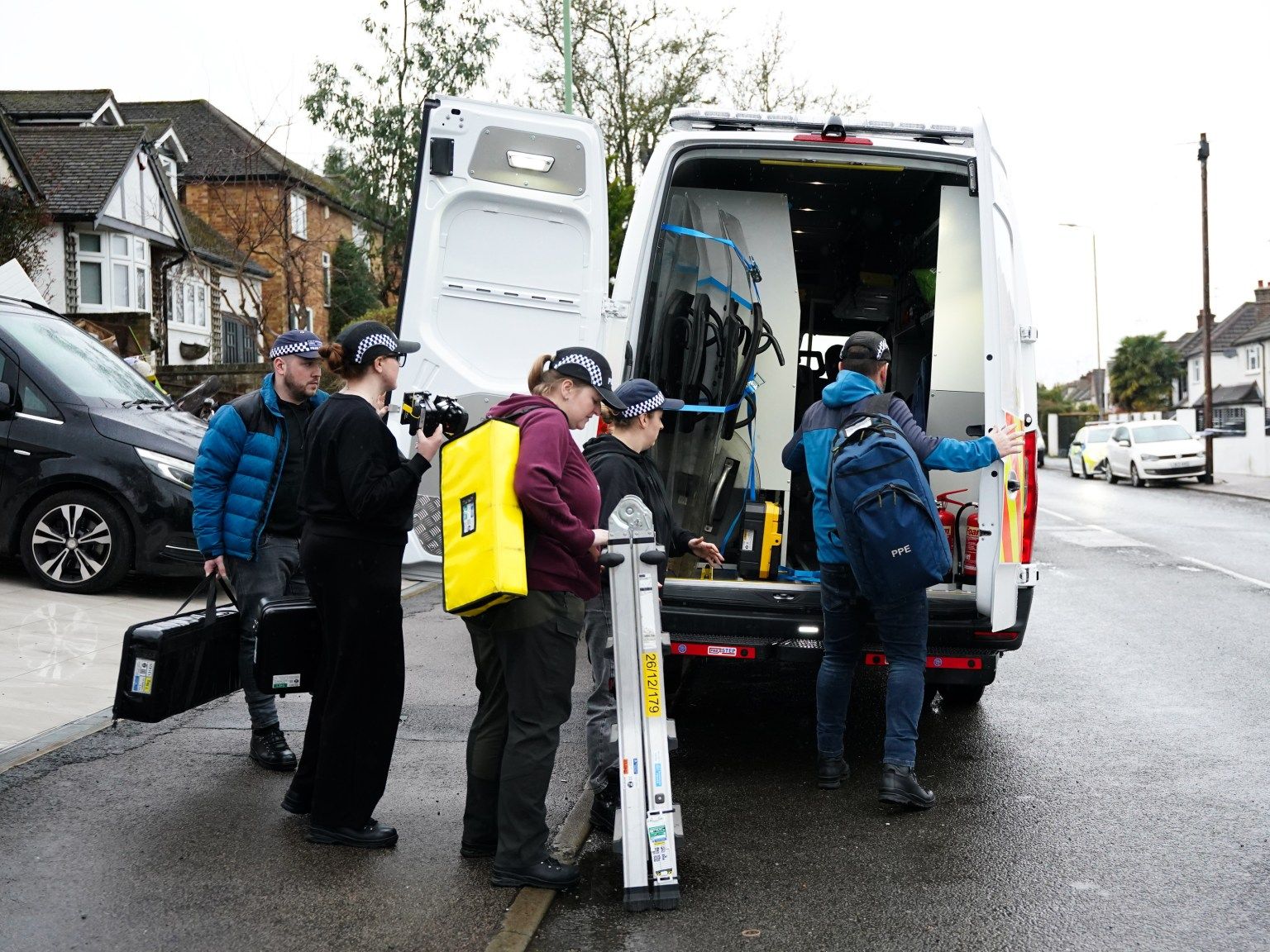
According to prosecutors, the two suspects, Nematollah Shahsavani, 40, and Alireza Farasati, 22, both Iranian nationals, are accused of carrying out activities that could assist a foreign intelligence service. The alleged conduct took place between July 9 and August 15 last year and involved gathering information and conducting reconnaissance tied to individuals and locations connected to London’s Jewish community.
The charges were confirmed by the Crown Prosecution Service, which stated that the case is linked to Iran. Investigators from the Metropolitan Police arrested the two men on March 6 following what officials describe as a complex and highly detailed inquiry into suspected surveillance activity across parts of London.
Both defendants, who were living in North Finchley and Edgware, are scheduled to appear at Westminster Magistrates’ Court. Prosecutors have been careful in how they frame the case publicly, stressing that the legal process is now active and that the defendants are entitled to a fair trial. This caution is not procedural formality. In cases tied to national security, even small details released prematurely can affect outcomes in court.
At the center of the case is the allegation that the two men engaged in reconnaissance. In practical terms, this often means observing, recording, or mapping out locations and individuals. It is not necessarily dramatic on the surface. It can look like routine movement, note-taking, or casual presence in certain areas. But within a national security framework, such actions are treated as early-stage intelligence work.
Frank Ferguson, head of the CPS Special Crime and Counter Terrorism Division, confirmed that the charges fall under the National Security Act. He described the alleged activity as involving information gathering and identifying potential targets. The explicit mention of Iran signals the seriousness with which authorities are treating the case, placing it within a broader context of state-linked intelligence concerns.
For London’s Jewish community, the case lands at a sensitive moment. Even without confirmed outcomes, the suggestion that individuals may have been under observation is enough to raise concern. Security officials appear aware of this. Statements from law enforcement have been measured but direct, aiming to reassure without downplaying the gravity of the allegations.
Deputy Assistant Commissioner Vicki Evans described the charges as extremely serious, emphasizing the scale and complexity of the investigation. Her remarks pointed to weeks of intensive work by counter-terrorism officers, who have been coordinating closely with prosecutors to build the case.
There is also a clear message embedded in the response. Authorities want to signal that potential threats, especially those linked to foreign actors, are being monitored and addressed with urgency. This is as much about maintaining public confidence as it is about law enforcement.
This case does not exist in isolation. Across Europe, there has been growing attention on alleged foreign intelligence activity operating within civilian environments. What makes cases like this notable is how ordinary the settings often are. Residential neighborhoods, community centers, places of worship. Spaces that are not traditionally associated with espionage.
The United Kingdom has, in recent years, expanded its legal tools to respond to such threats. The National Security Act, under which these charges were brought, reflects a shift toward addressing modern forms of state-linked activity that do not fit older definitions of espionage.
Police have confirmed that two other men initially arrested as part of the same investigation have been released without charge. That detail matters. It suggests that the inquiry is still evolving and that investigators are working carefully to separate suspicion from evidence.
What remains unclear is the full extent of the alleged surveillance and whether it was part of a larger network or a more limited operation. These are questions that will likely only be addressed as the case moves through the courts.
Beyond the legal proceedings, the case reflects a broader reality. National security is no longer something that feels distant or abstract. It increasingly intersects with everyday life, especially in global cities like London.
For communities, the impact is immediate. For authorities, the challenge is ongoing. And for observers, this case offers a reminder that the lines between international politics and local experience are becoming harder to separate.