The Most Beautiful Places in South America do not rely on spectacle alone. They are defined by scale, pressure, and the visible traces of time. Landscapes here are not isolated from history or policy. They are shaped by them. A glacier is also a climate marker. A rainforest is a political argument. A desert can sit at the center of a global supply chain. To travel across this continent is to move through environments that are still actively being negotiated.
Patagonia
In Patagonia, distance is not just geographic. It is structural. Roads thin out, settlements fragment, and weather dictates movement with little compromise. The Perito Moreno Glacier remains one of the few advancing glaciers in the world, drawing attention not only for its visual force but for what it suggests about localized climate variation.
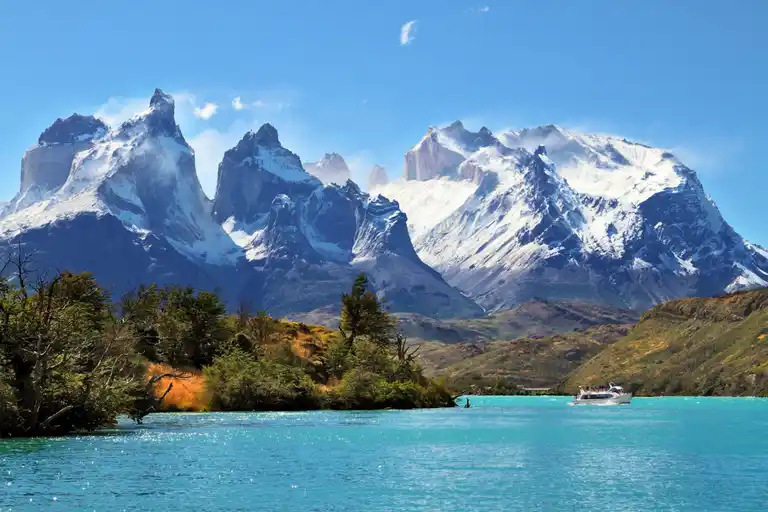
Across the border in Chile, Torres del Paine National Park has become a case study in managed wilderness. Visitor numbers have increased steadily over the past decade, forcing authorities to refine trail systems, restrict camping zones, and invest in conservation infrastructure. The park’s appeal lies in its openness, but that openness now operates within strict boundaries.
The Amazon Basin
The Amazon Rainforest does not reveal itself easily. It resists panoramic viewing. Instead, it unfolds through density, humidity, and sound. In Manaus, the river system defines both economy and movement. The meeting of the Rio Negro and Solimoes creates a visible division of water that stretches for kilometers, a phenomenon driven by differences in temperature and sediment.
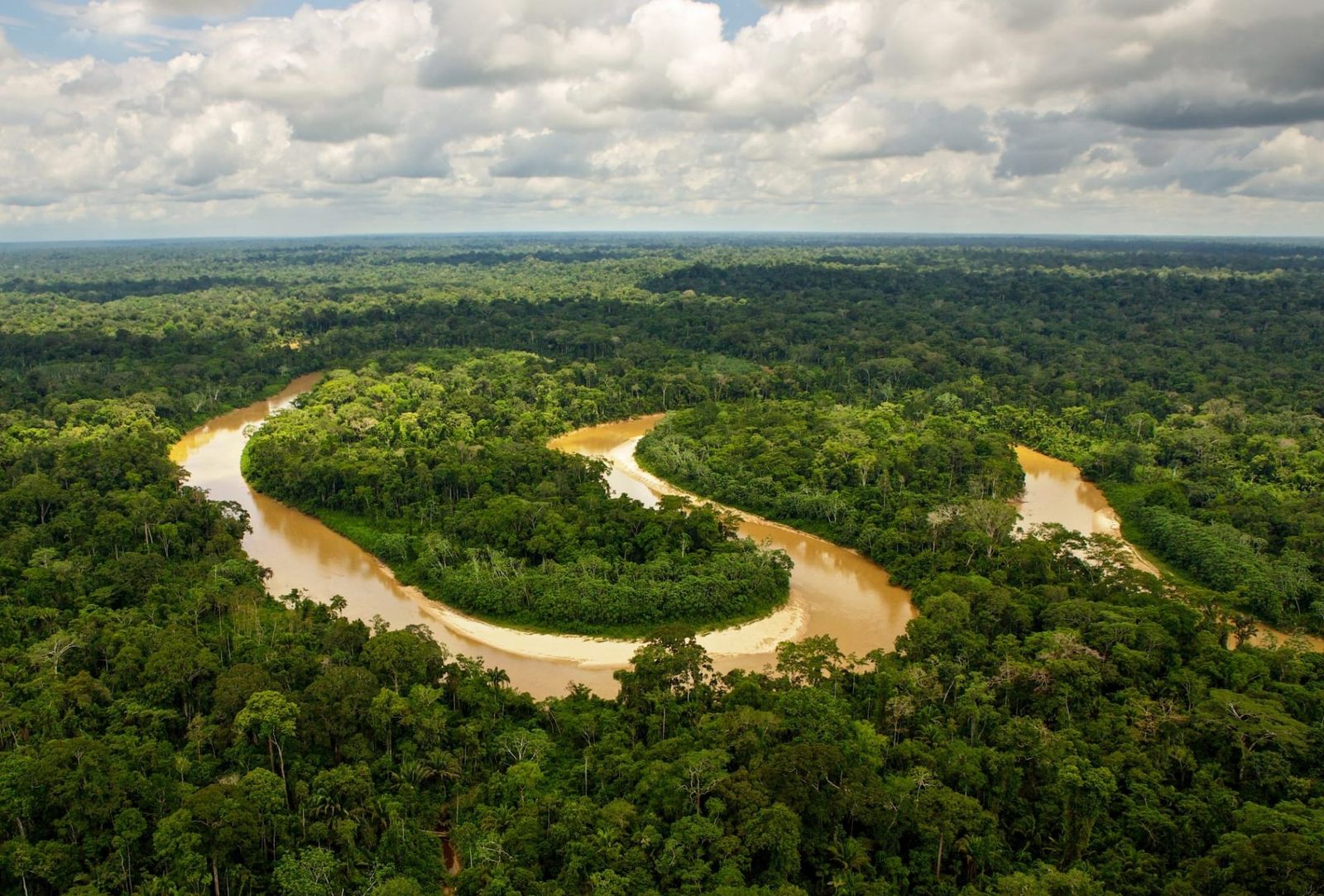
This region carries global significance. Roughly 10 percent of known species are found here, and its role in carbon absorption is well documented. Policy decisions in Brazil directly affect deforestation rates, making the forest a site of international scrutiny. Travel in the Amazon is no longer detached from these realities. It intersects with conservation funding, indigenous sovereignty, and enforcement gaps.
The Andes
The Andes Mountains form the longest continental mountain range in the world, shaping climate zones and human settlement patterns across multiple countries. In Cusco, the continuity between past and present is visible in construction itself. Inca stonework remains intact beneath colonial architecture, designed to absorb seismic activity in ways that modern materials still study.
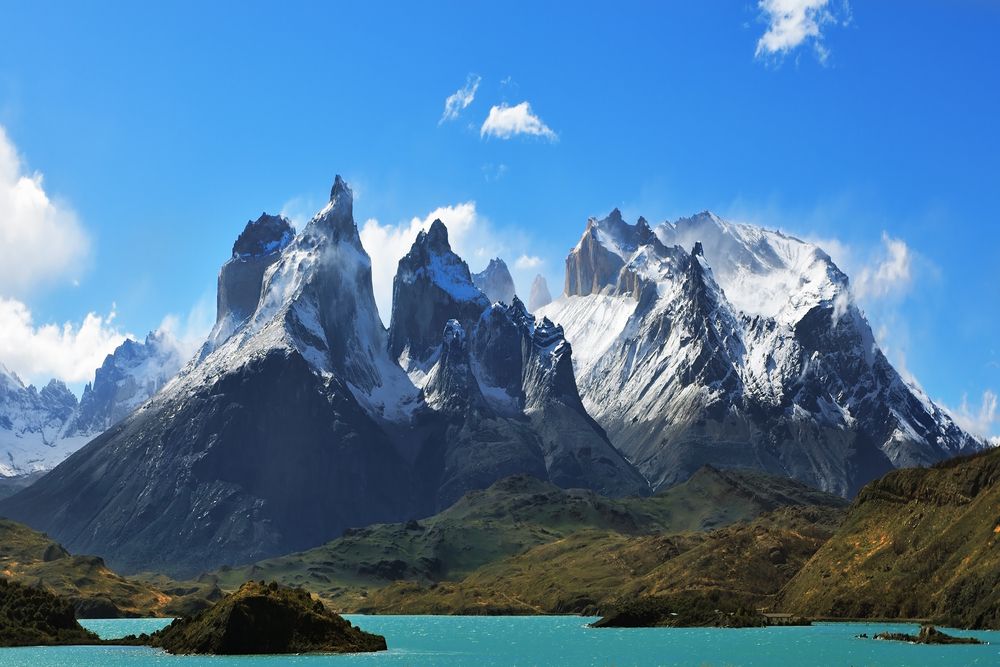
Nearby, Machu Picchu operates under controlled access. Timed entry systems and capped visitor numbers attempt to balance economic dependence on tourism with the physical limits of the site. These measures are not static. They shift in response to seasonal demand and political pressure, reflecting a broader tension between preservation and revenue.
Atacama Desert
Northern Chile’s Atacama Desert is defined by absence. Rainfall is minimal, vegetation is sparse, and the terrain appears fixed. Yet this stability is deceptive. Light conditions change rapidly, and temperature variation alters the perception of distance and scale.
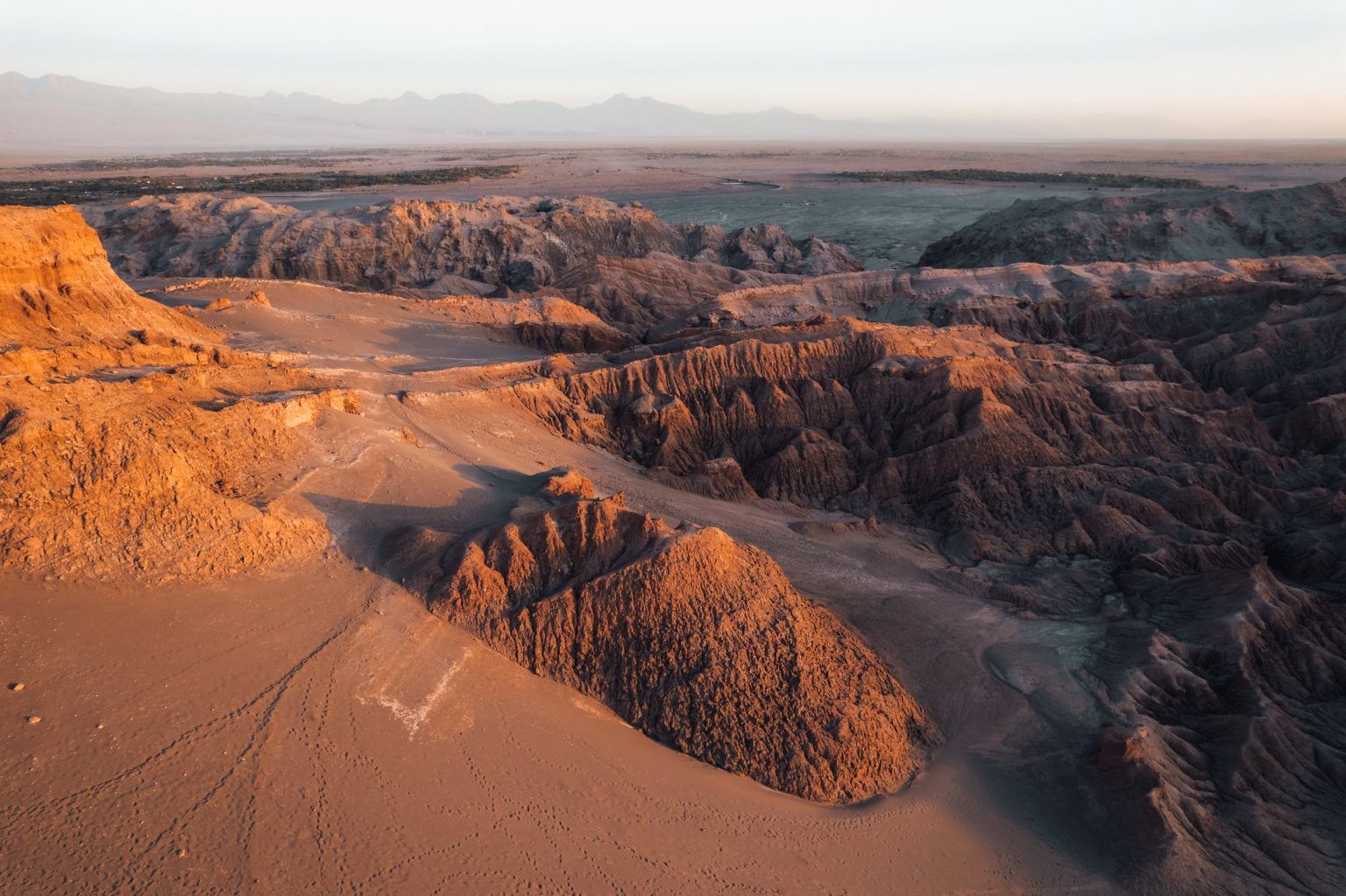
The town of San Pedro de Atacama functions as an access point rather than a destination in itself. Surrounding it are salt flats, geothermal fields, and high-altitude lagoons. The region also holds significant lithium reserves, linking it to global energy transitions. Extraction projects introduce economic opportunity while raising questions about water use in one of the driest places on Earth.
Iguazu Falls
Straddling Argentina and Brazil, Iguazu Falls extends across nearly three kilometers. The system includes hundreds of individual cascades, each contributing to a broader hydrological structure.
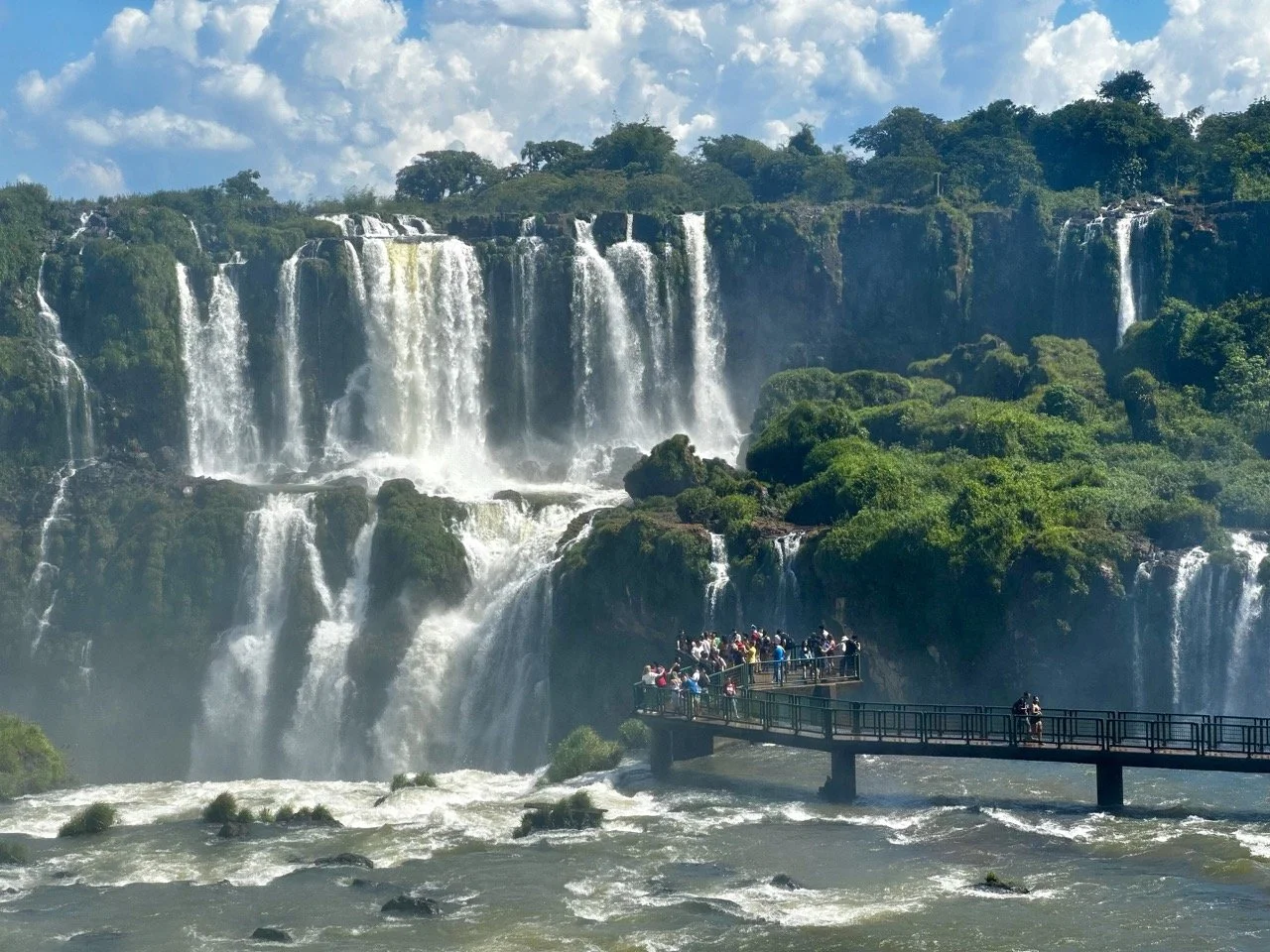
Management here is binational. Argentina emphasizes proximity through elevated walkways that move visitors into the system itself. Brazil prioritizes distance, offering wide-angle perspectives that frame the falls within the surrounding forest. Both approaches reflect different interpretations of the same landscape, shaped by infrastructure, policy, and tourism strategy.
Salar de Uyuni
In Bolivia, Salar de Uyuni challenges spatial perception. Covering over 10,000 square kilometers, it becomes reflective during the wet season, creating a surface that mirrors the sky with minimal distortion.
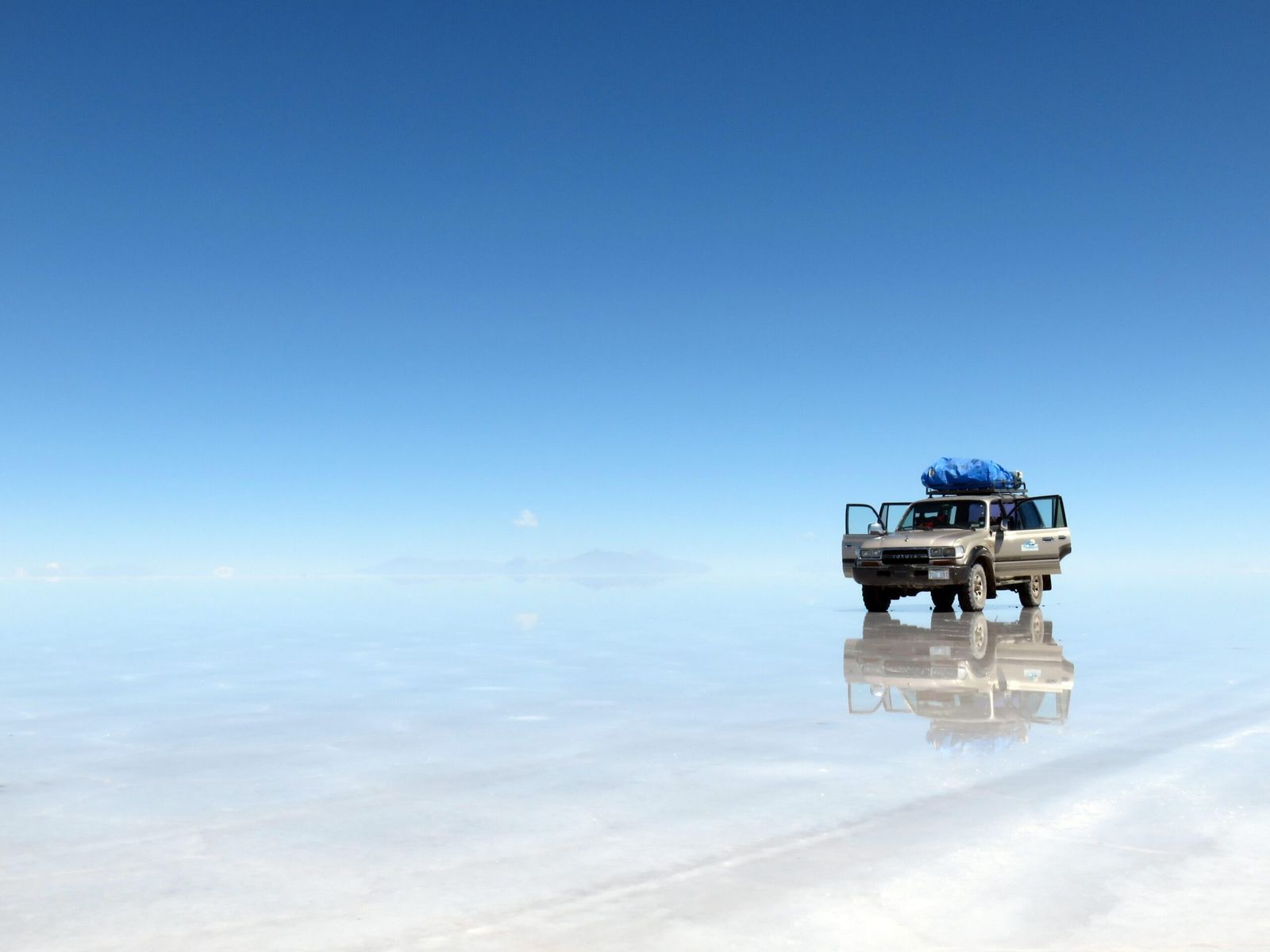
Beneath this surface lies one of the world’s largest lithium deposits. Bolivia’s approach to extraction has been cautious, influenced by historical concerns over resource control and foreign investment. The site is both a visual anomaly and a strategic asset, linking local geography to global industrial demand.
Rio de Janeiro
In Rio de Janeiro, natural features are integrated directly into urban life. Sugarloaf Mountain rises from the coastline, while Christ the Redeemer overlooks a city defined by contrast.
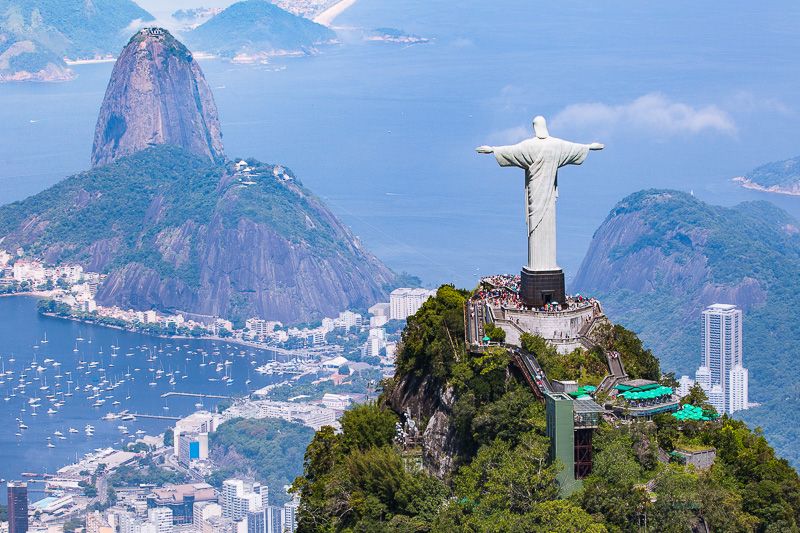
Beaches such as Copacabana and Ipanema are globally recognized, yet they exist alongside informal settlements built into surrounding hillsides. These areas often command some of the most striking views in the city. Urban policy, security dynamics, and economic disparity all influence how Rio is experienced, making its beauty inseparable from its structure.
Galapagos Islands
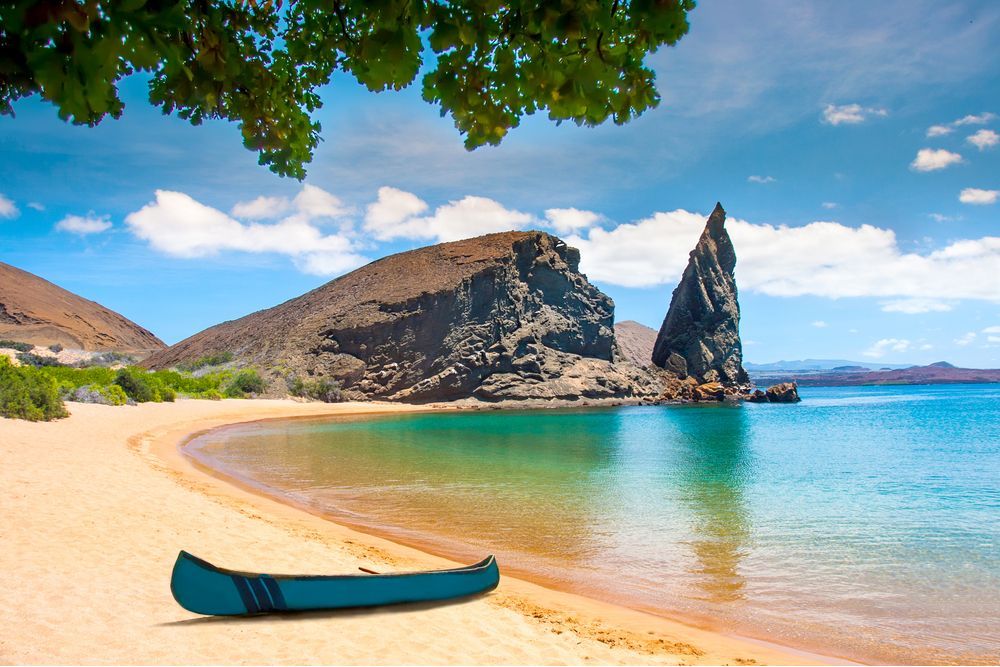
The Galapagos Islands operate under strict environmental controls. Visitor numbers are limited, and many areas require licensed guides. The objective is not to eliminate tourism but to regulate its impact.
Species here evolved in isolation, resulting in ecosystems that are highly sensitive to disruption. Tourism revenue supports conservation efforts, but increased demand places pressure on infrastructure and local resources. Ecuador continues to adjust its policies, attempting to maintain ecological balance while sustaining economic benefit.
The Most Beautiful Places in South America are increasingly shaped by how access is managed. Beauty alone is no longer the defining factor. Regulation, conservation, and economic strategy now determine how these places are experienced.
This shift reflects a broader pattern. Governments and local authorities are no longer treating landscapes as passive assets. They are setting terms for their use. Visitor caps, permit systems, and controlled infrastructure are becoming standard.
For travelers, this changes the nature of engagement. Movement through these regions requires planning, awareness, and, in some cases, acceptance of restriction. The reward is not diminished. It is reframed. These places remain compelling, but they are no longer open in the way they once appeared to be.